Project Status
Completed
15 cows placed with women-led families in Arai Village (2025–2026). 2 schools built and handed over. Goat herds scaled 40→130. Handover evidence available.
Operating / Pilot
Solar aquaculture (90% survival, 1-year pilot data). Eco-tourism guiding. Community forest monitoring. Education outreach across 3 provinces.
Proposed — Pending Approval
Phnom Samkos Women-Led Regenerative Hub: proposed project for 75 households. 50 cows, 30 goats, 10 aquaculture systems, 6 shade houses. Not yet authorized.
The Connection
How everything fits together
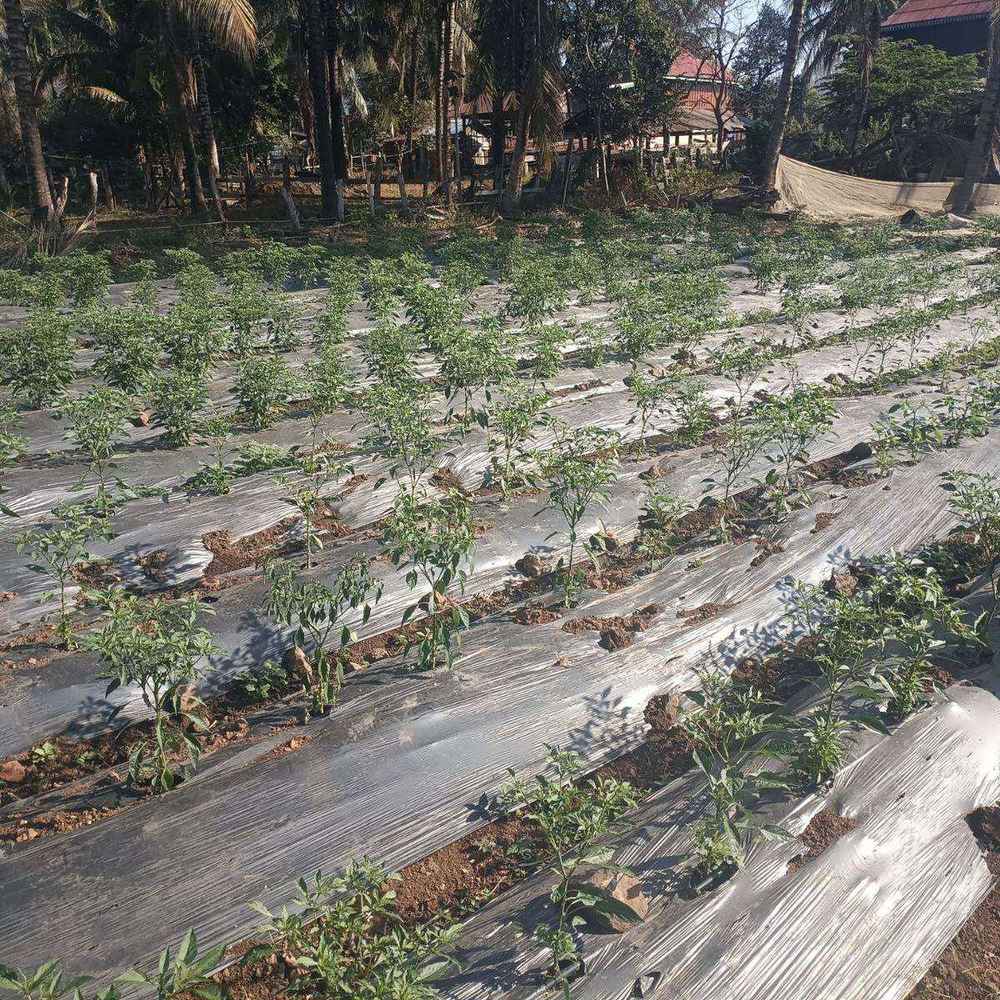
Food Security
A family that can feed itself is less vulnerable to economic shock and less dependent on forest extraction.
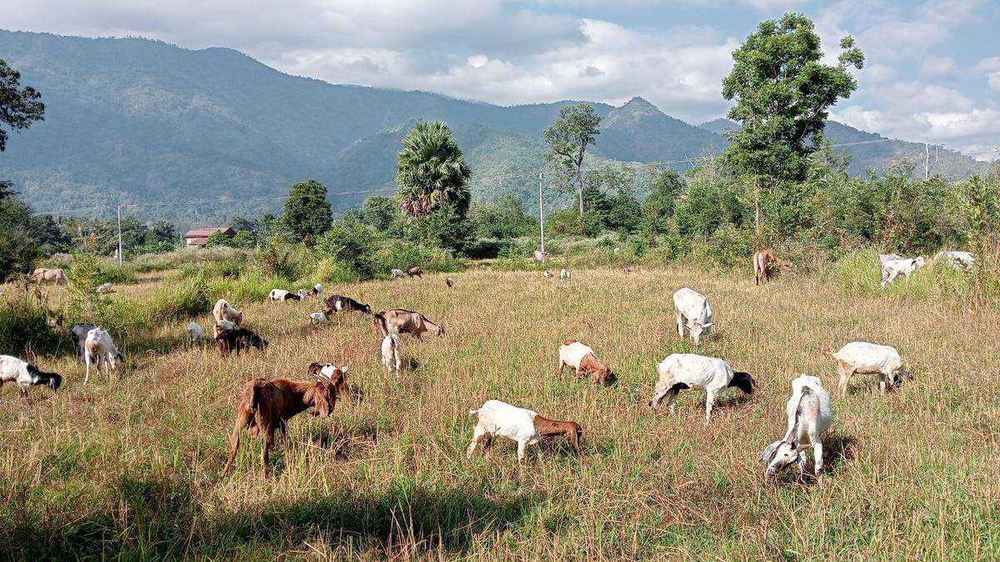
Income
Sustainable livelihoods create economic alternatives that make conservation financially viable for families.
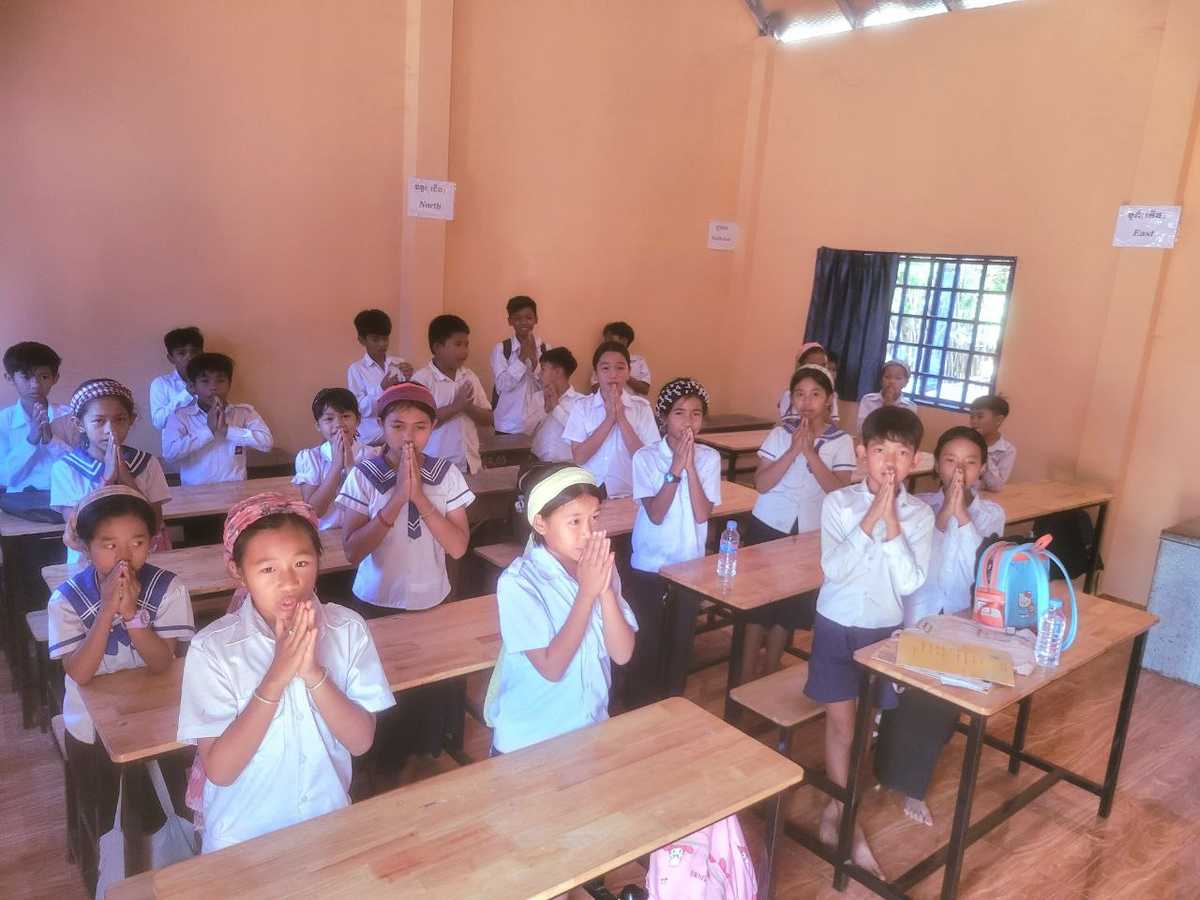
Opportunity
Training, resources, and community enterprises open doors that weren't there before.
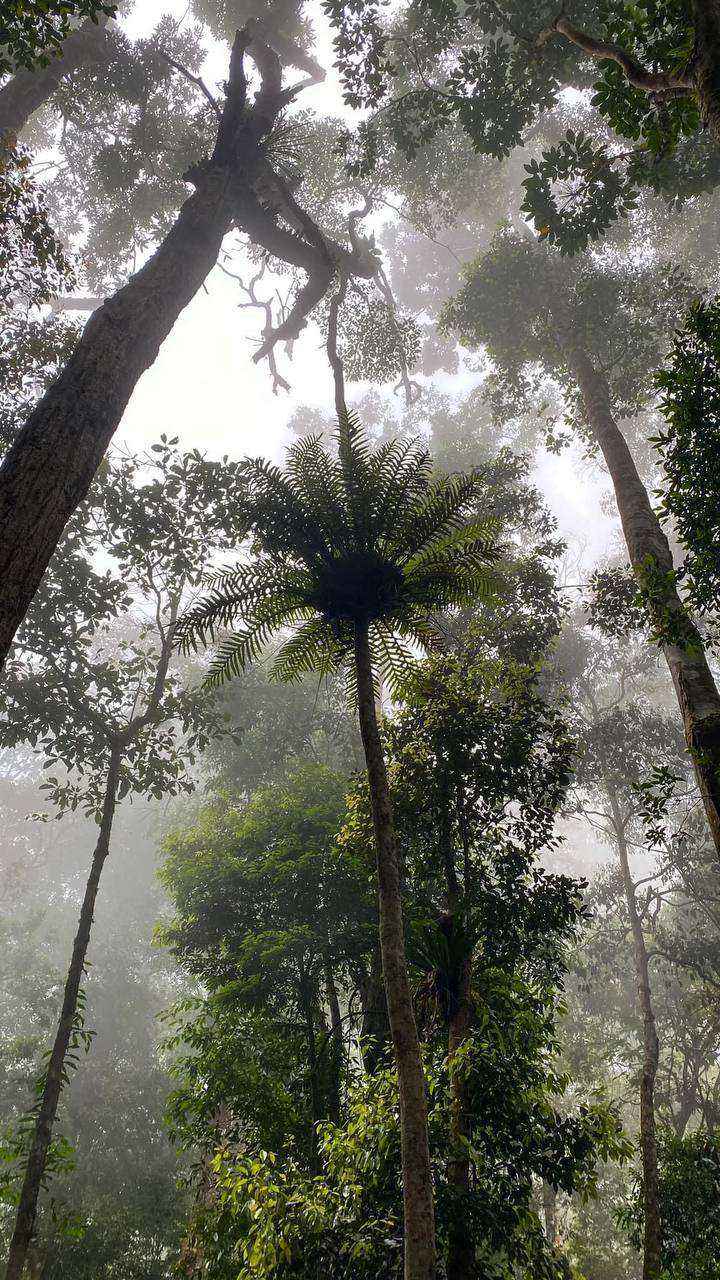
Conservation
When communities benefit from a healthy forest, protecting it becomes an economic decision — not a sacrifice.
Our Approach
Proposed Theory of Change
If women-led households in the Phnom Samkos buffer zone receive a structured portfolio of livestock, solar-aquaculture, shade-house, training, and market-support activities through a community-governed hub, then household food security and diversified income will improve while pressure on forest-dependent extraction is reduced, because participating households will have practical alternatives, technical support, and a continuing local institution after the funding period.
This is a proposed causal pathway. Baseline, selection, attribution, and endline methods will be published with the project results.
THE CHALLENGE CYCLE
CLIMATE PRESSURE
Drought, floods, unpredictable seasons
FOOD INSECURITY
Crop failure, hunger, debt
ECONOMIC PRESSURE
No viable alternatives
FOREST EXPLOITATION
Logging, hunting, land clearing
FOREST DEGRADATION
Biodiversity loss, carbon release, more vulnerability
→ The cycle repeats
GSO INTERVENTION
Breaking the cycle at every point
FOOD SECURITY
Agriculture, gardens, water management
LIVELIHOODS
Honey, enterprises, eco-tourism
FOREST STEWARDSHIP
Patrols, monitoring, restoration
COMMUNITY RESILIENCE
HEALTHIER FORESTS
HEALTHIER COMMUNITIES
How We Are Doing It
Four Pillars, One Mission
Every project connects food security, sustainable livelihoods, forest protection, and climate resilience.
Pillar One
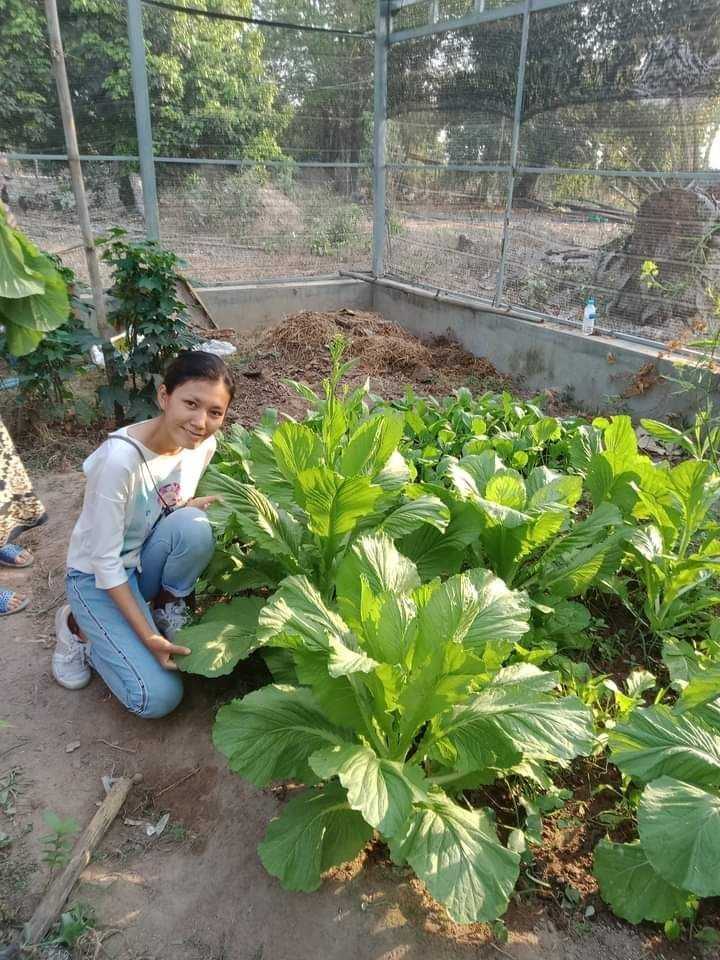
Food Security
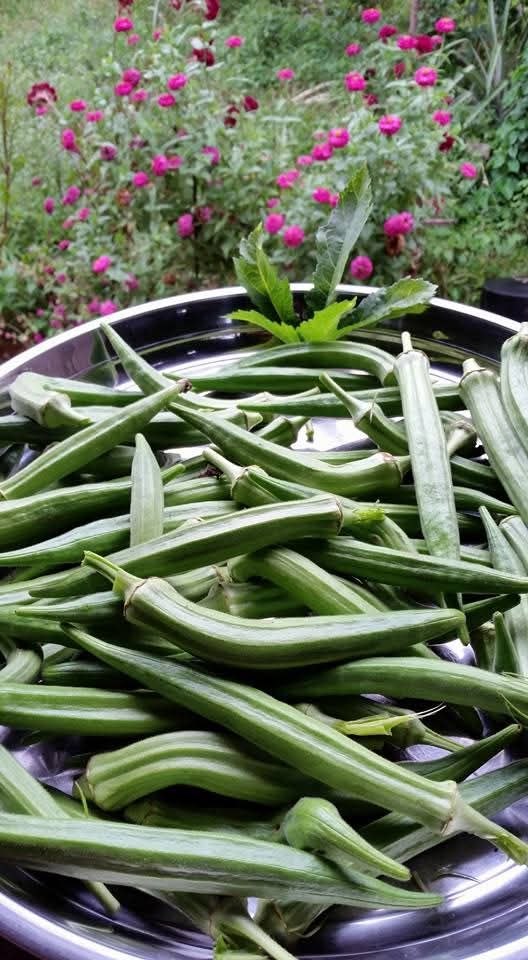
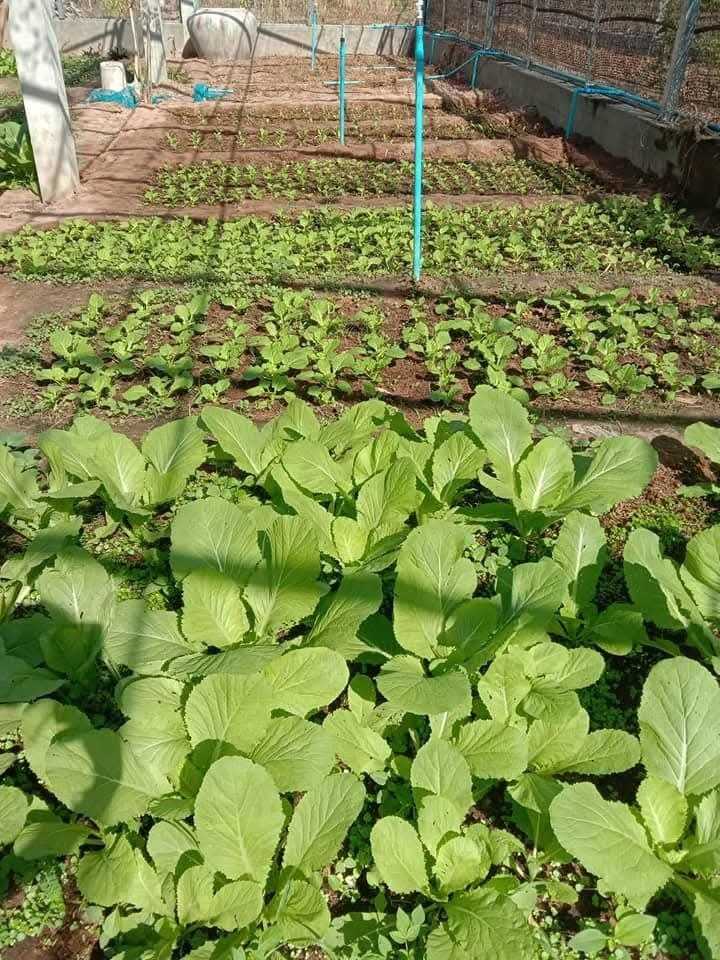
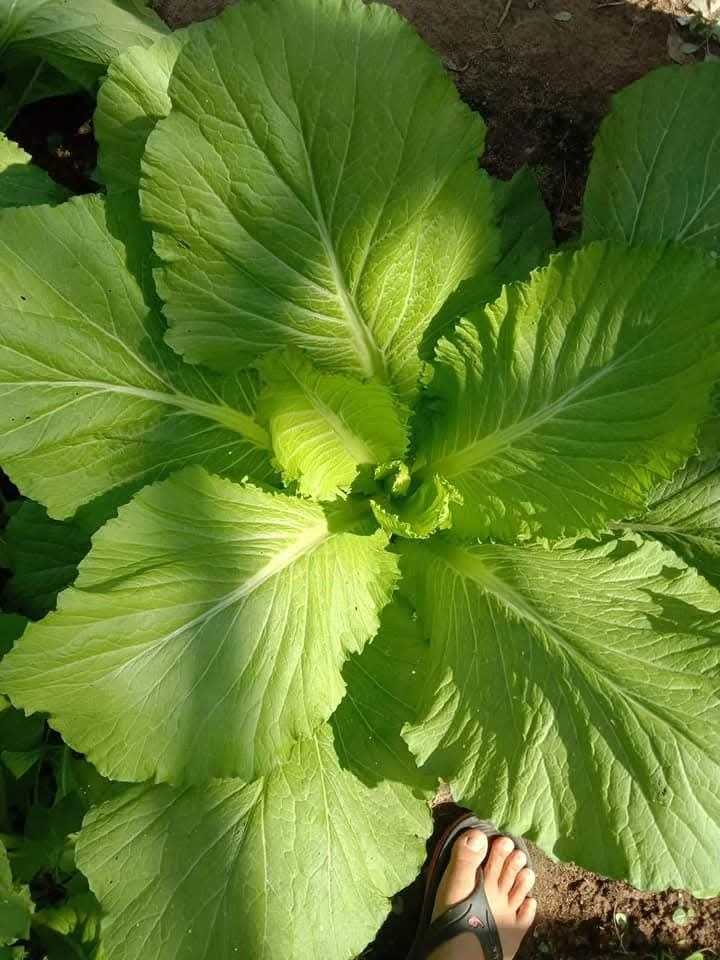
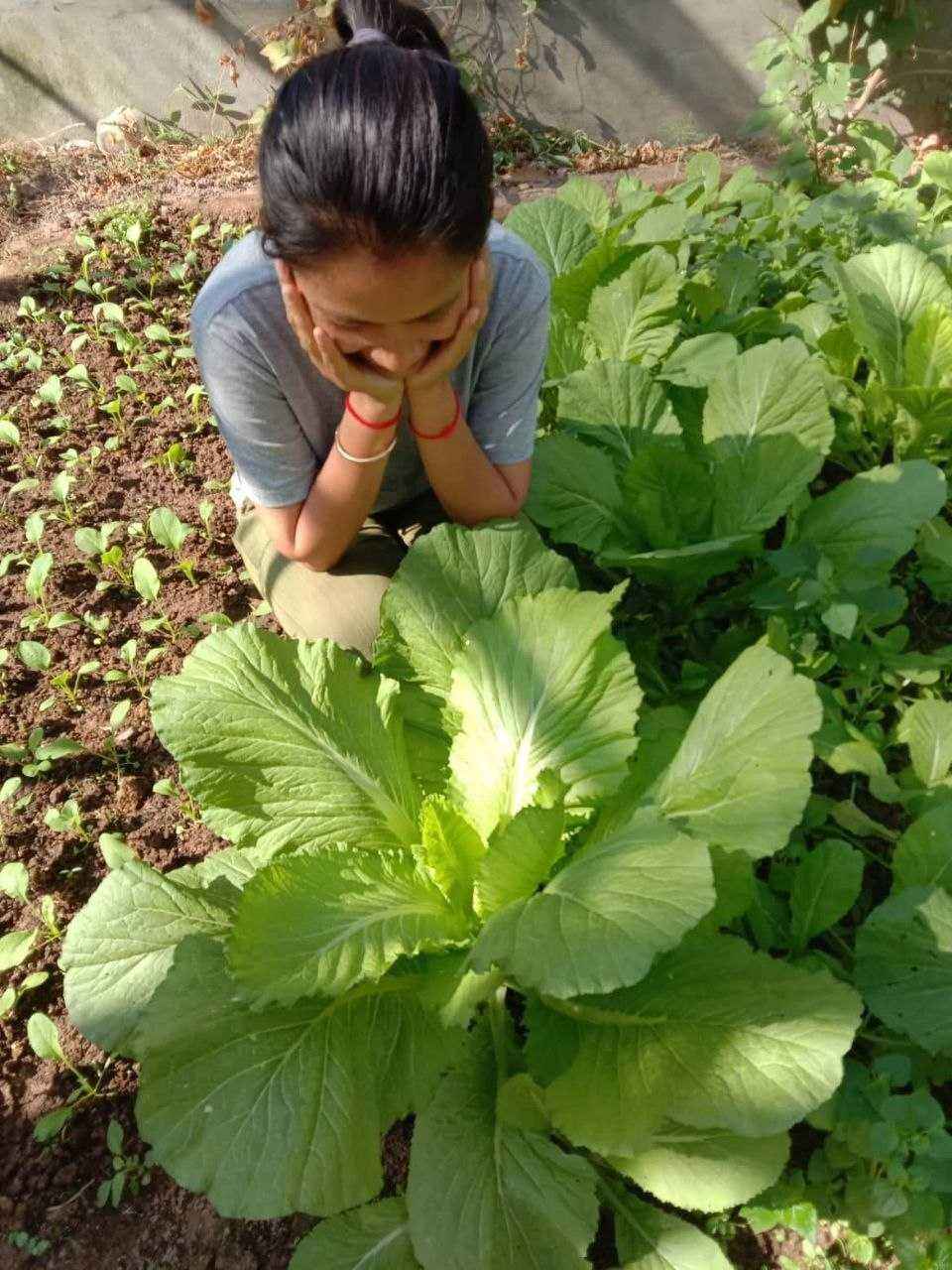
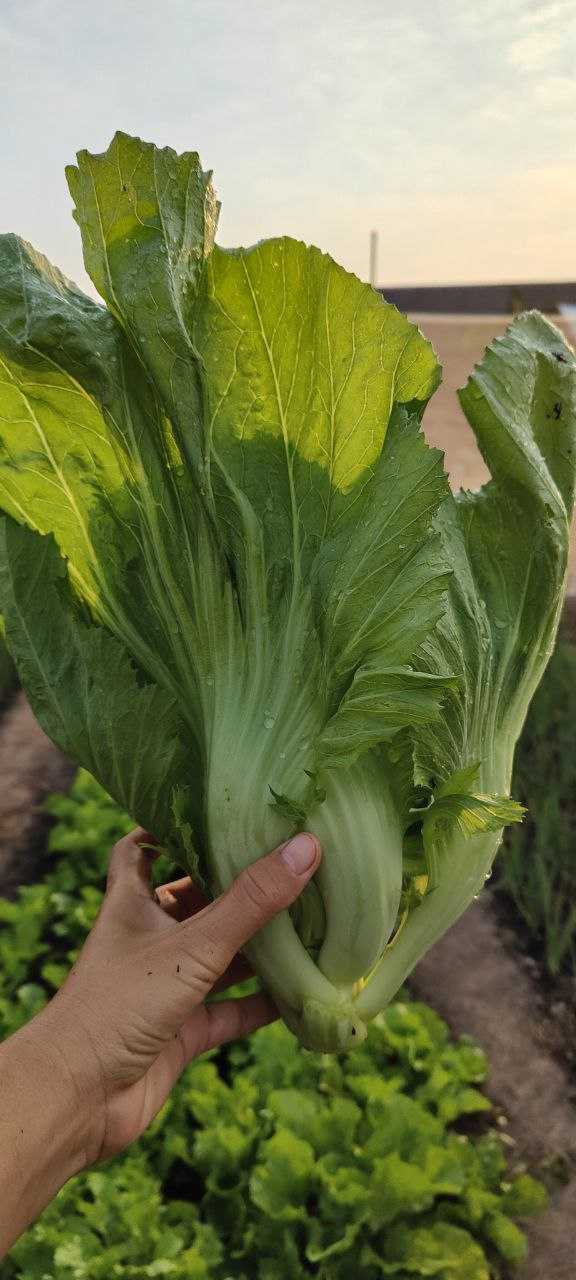
Help households produce more of what they need. Not giving food — building the capacity to grow it through climate-resilient agriculture.
81% of community-zone soil in Phnom Samkos is low productivity.
- Climate-resilient crops
- Community gardens & seed systems
- Water management & irrigation
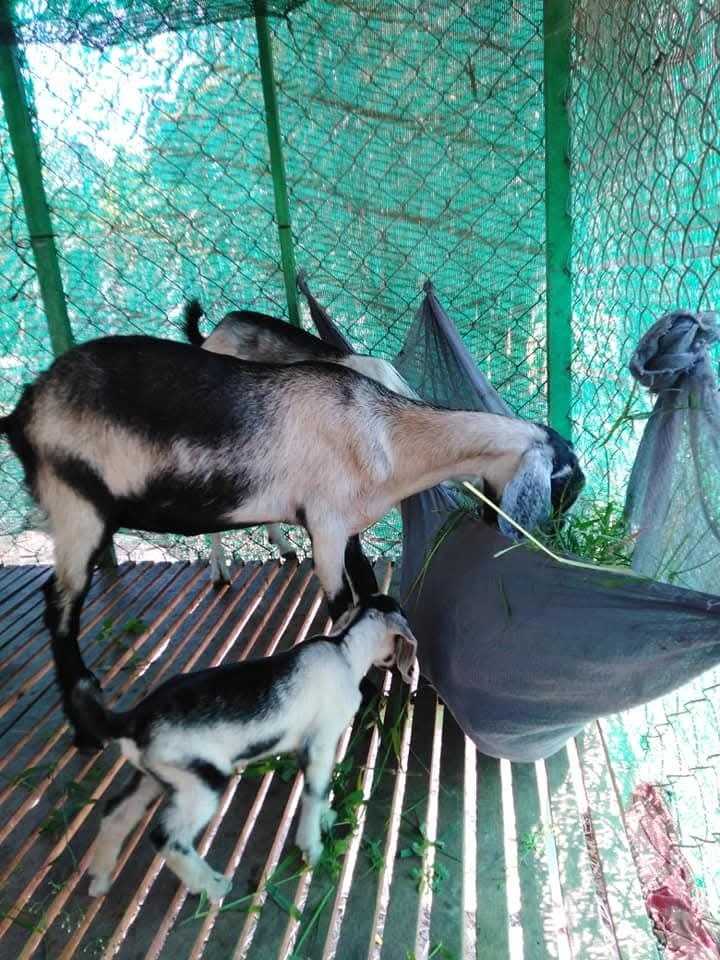
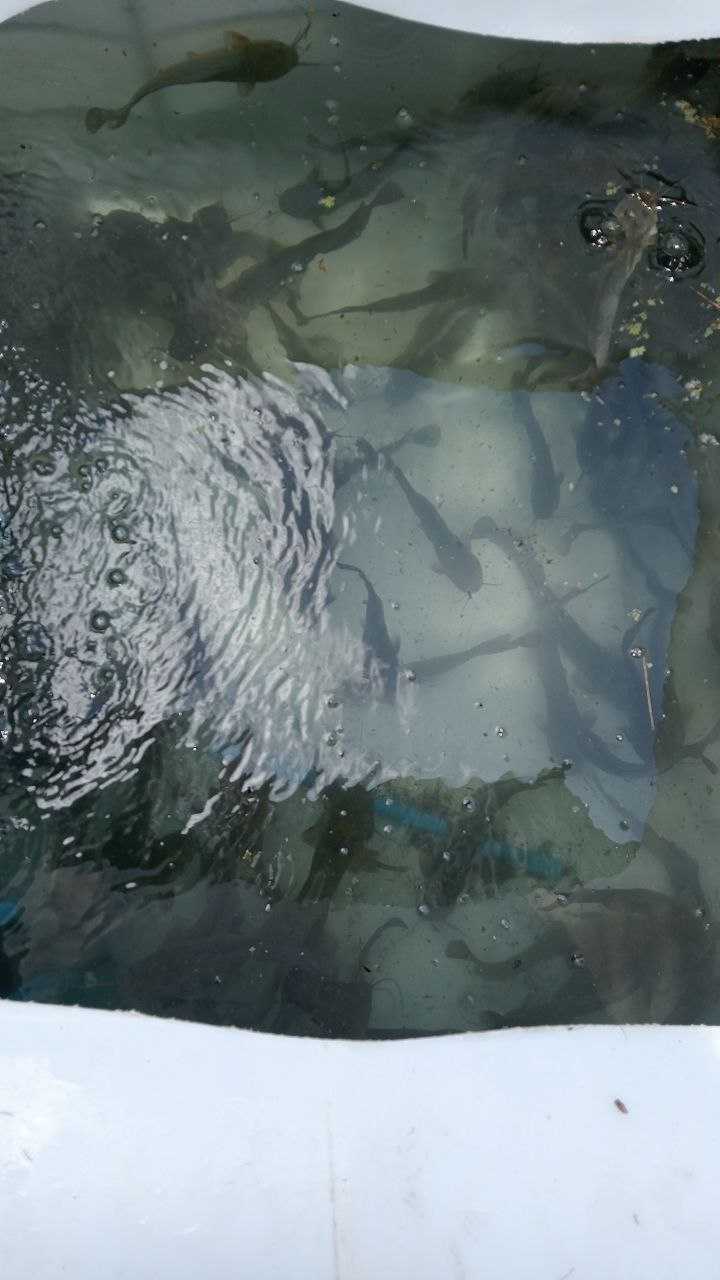
- Small livestock & aquaculture
Pillar Two
Sustainable Livelihoods
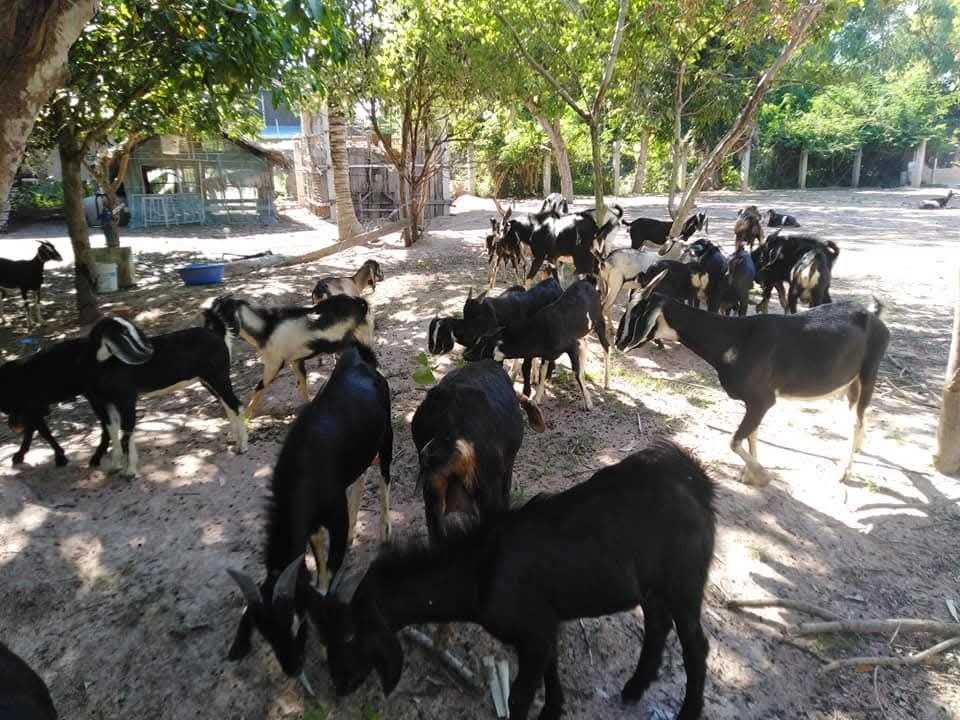
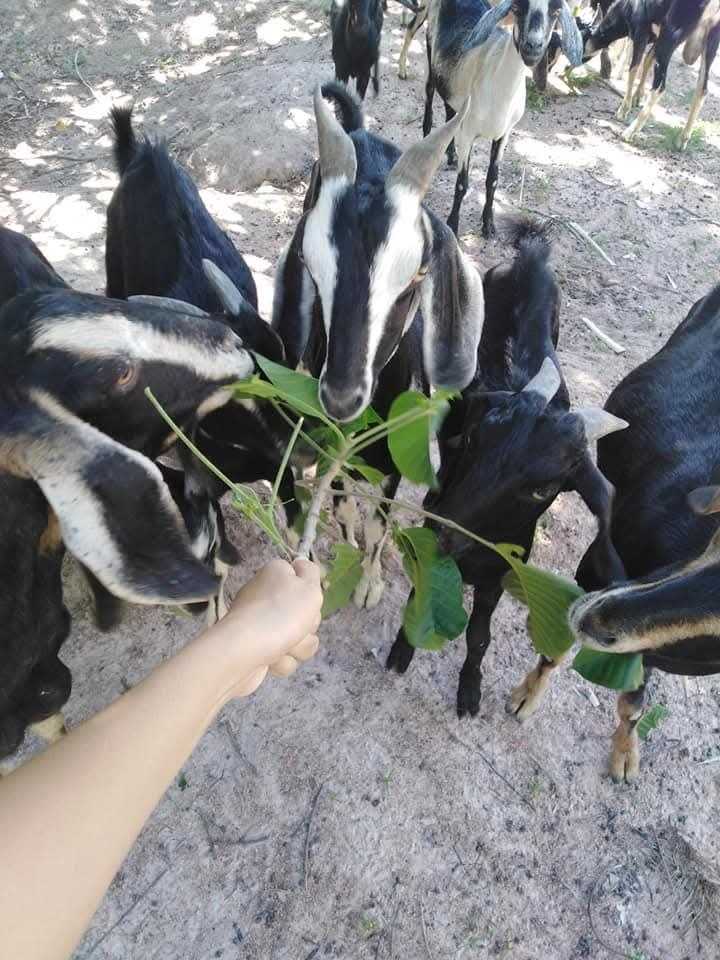
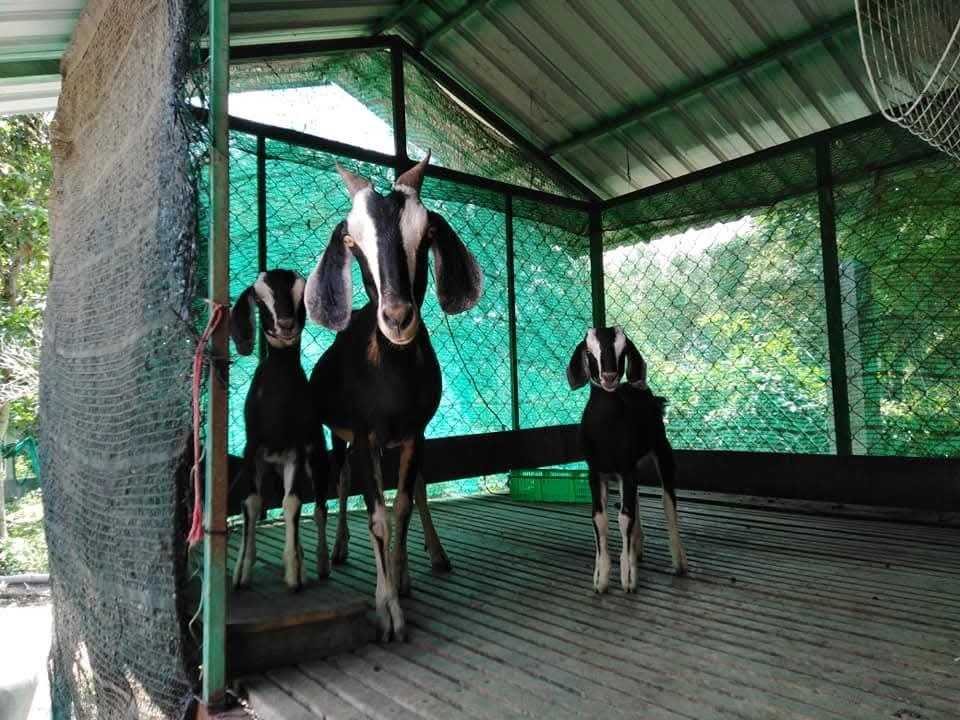
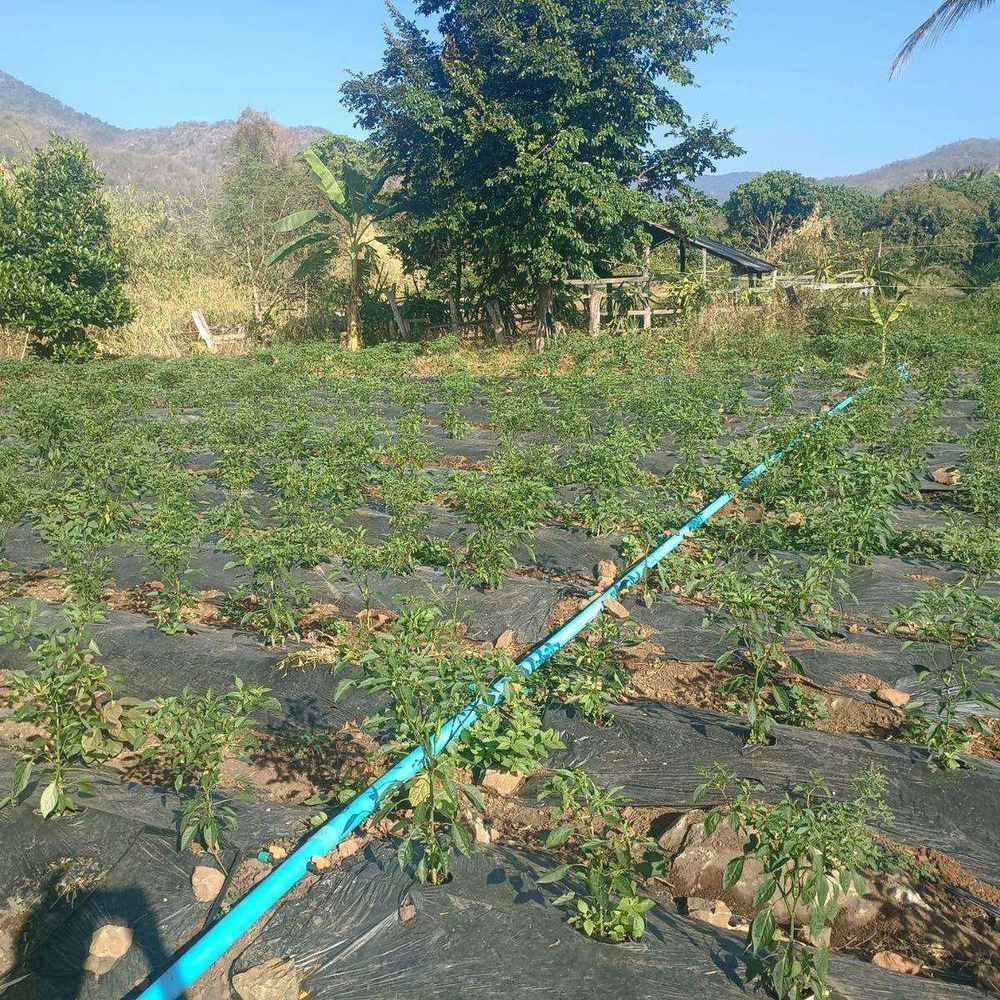
Instead of "don't cut trees" — "here's another way to make money." The economic engine of conservation.
A $0.30/day shock can double Cambodia's poverty rate.
Source: World Bank Cambodia Poverty Assessment (2013)
- Small-scale livestock
- Aquaculture & fish farming
- Community enterprises
- Eco-tourism & agriculture
Pillar Three
Forest & Wildlife Protection
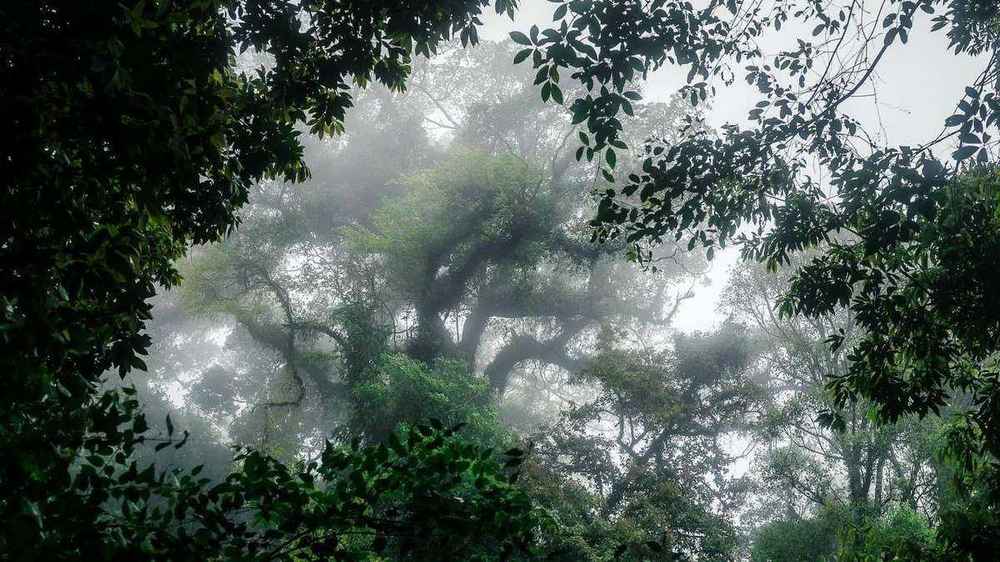
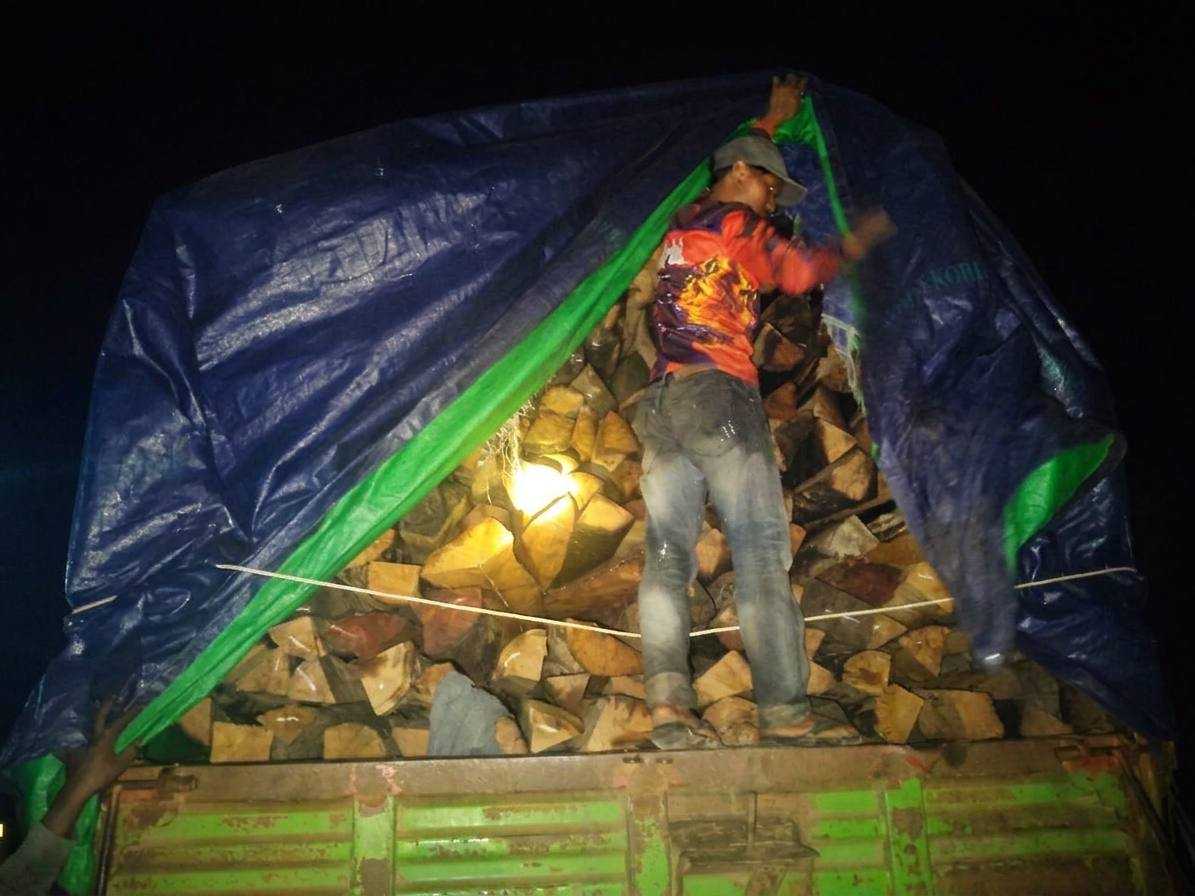
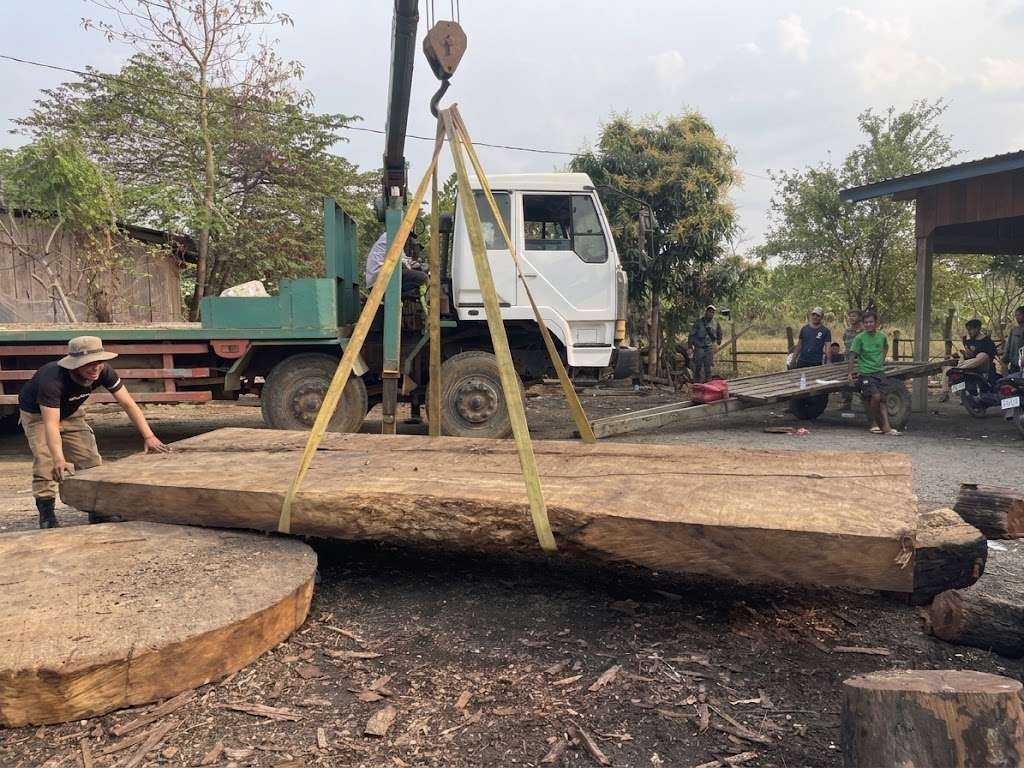
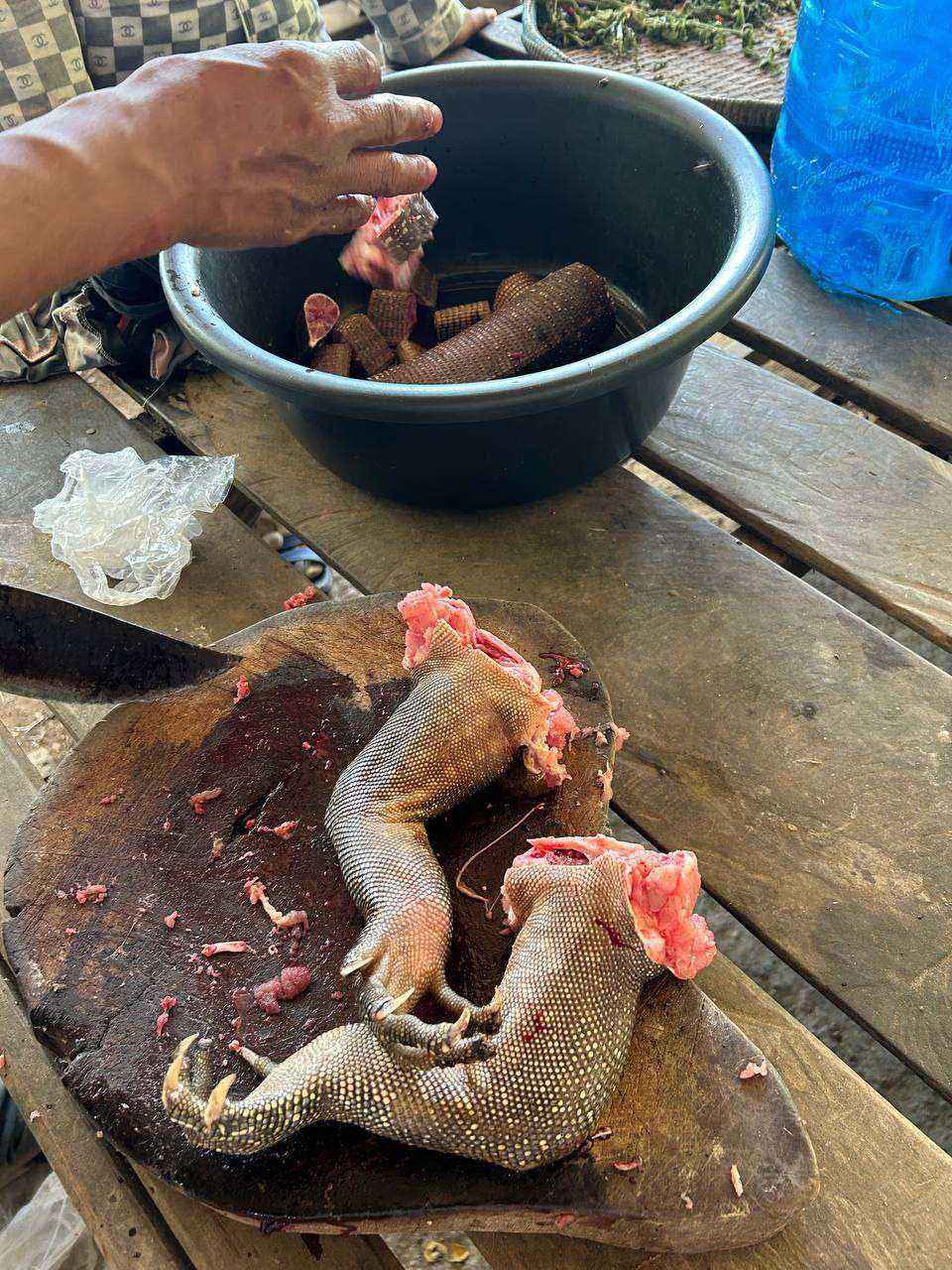
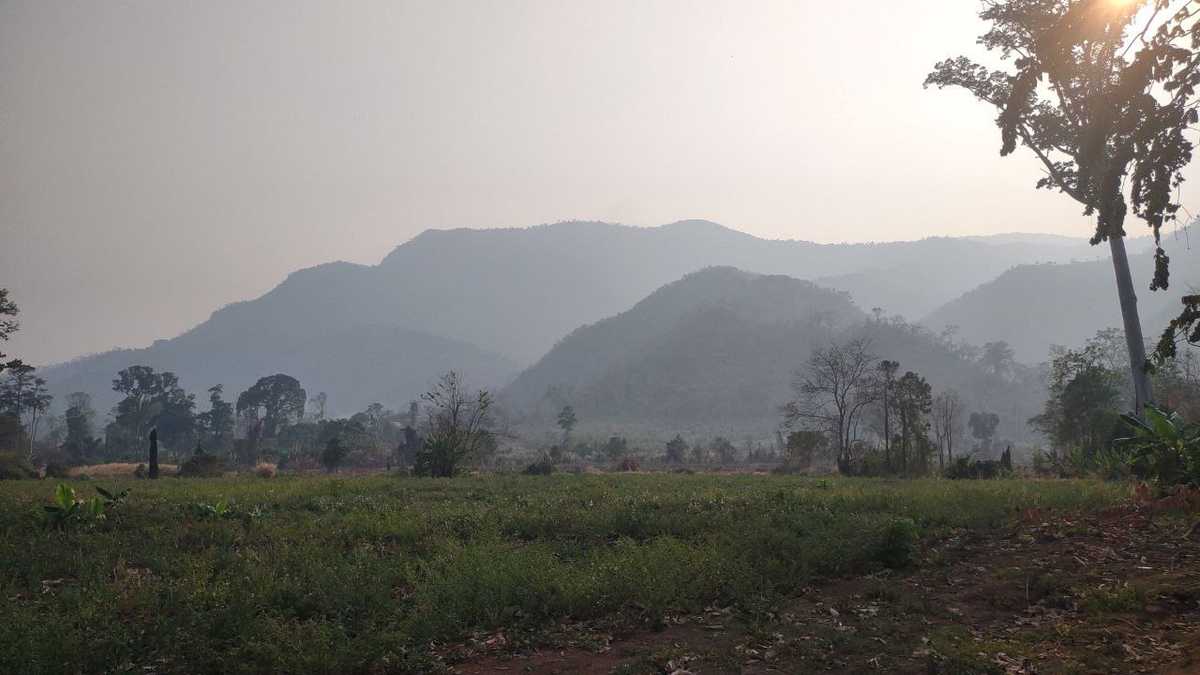
Communities as guardians, not threats. A living forest has economic value to the people who protect it.
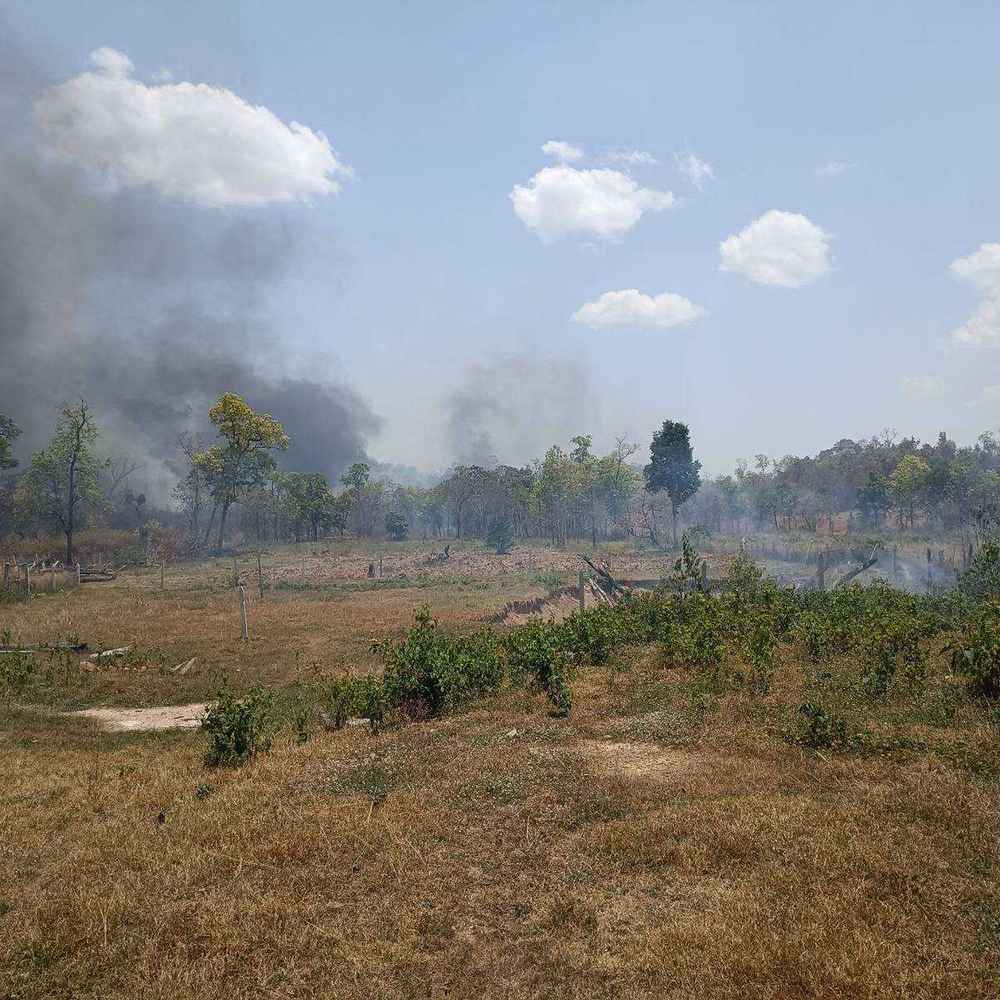
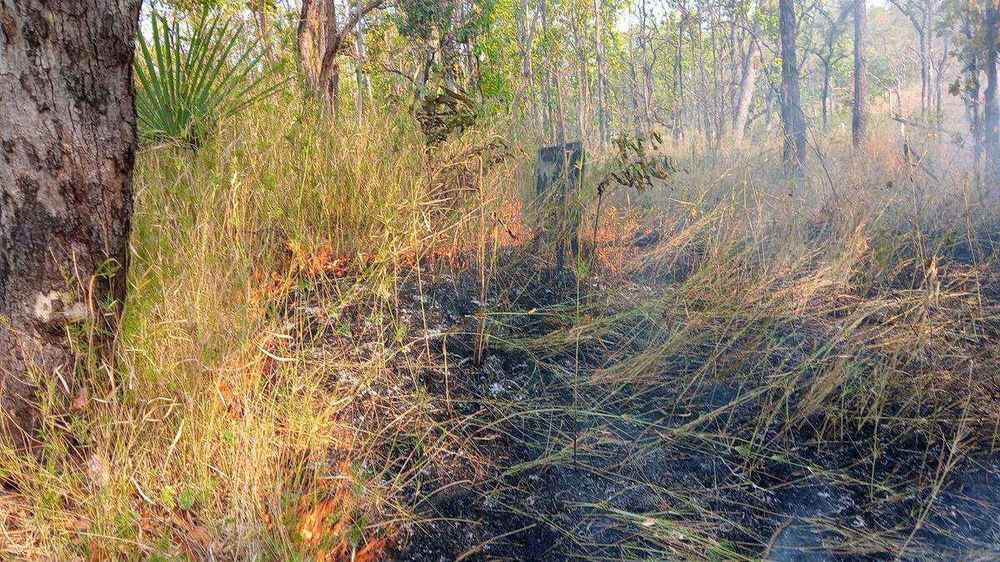
93,000 hectares of forest lost in 2024 — ~1% of Cambodia's total forest cover.
Source: Global Forest Watch / Mongabay (2025)
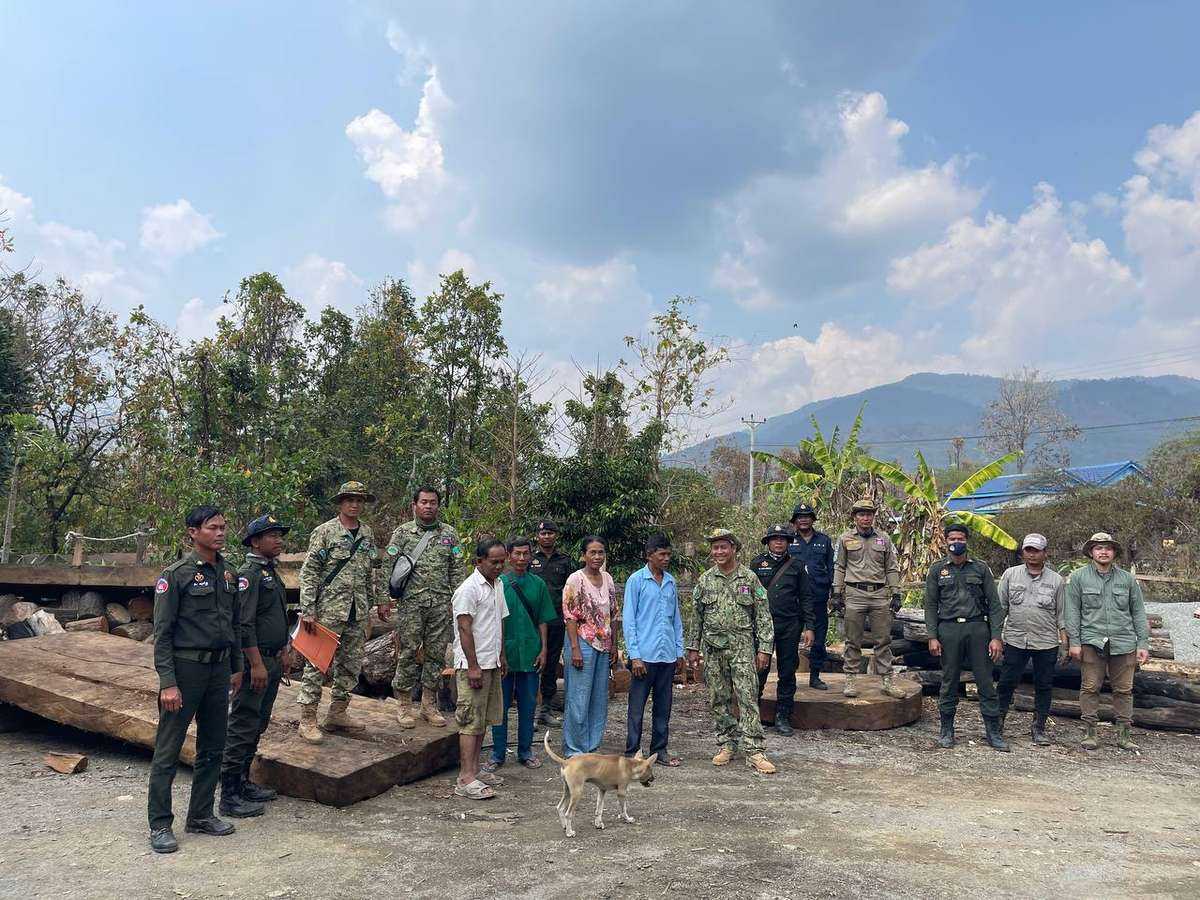
GSO provides buffer-zone protection for the adjacent Samkos REDD+ Project — addressing the deforestation pressure that threatens established carbon stocks across 27 communities.
- Community forest patrols
- Biodiversity monitoring
- Reforestation & restoration
- Reporting illegal activity
Pillar Four
Climate Resilience
The umbrella connecting everything. Water → Food → Income → Resilience → Forest protection → Climate mitigation.
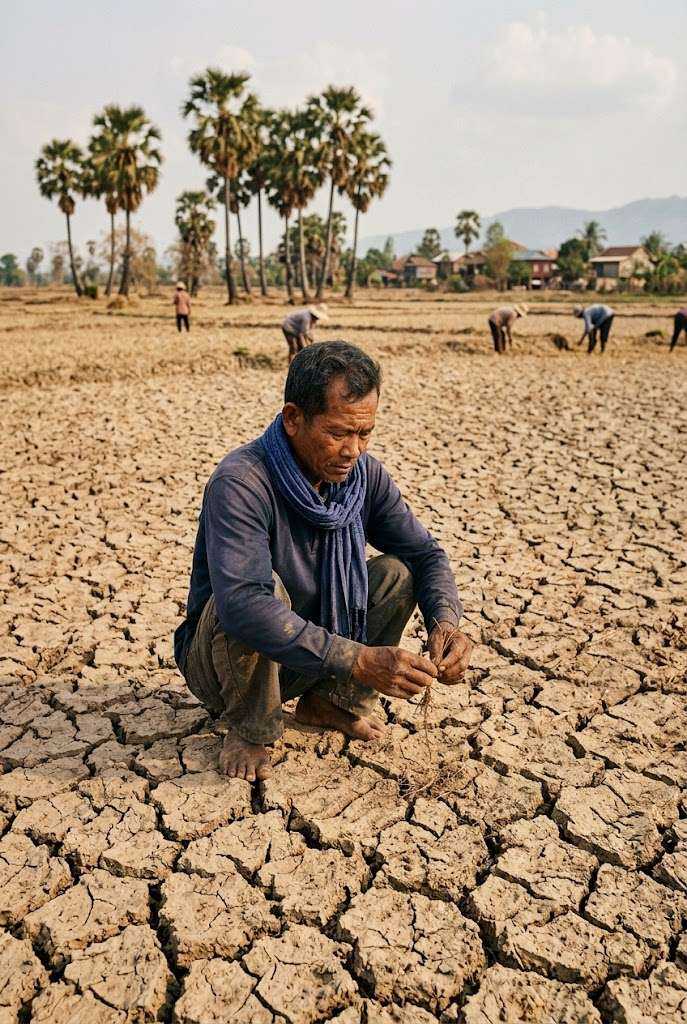
By 2050, climate change could cut Cambodia's GDP by up to 9%.
Source: World Bank Cambodia CCDR (2023)
- Water security & management
- Climate-smart agriculture
- Carbon sequestration via forests
- Disaster preparedness
Evidence & Learning
Pilot Data, Benchmarks, and Measured Outcomes
GSO publishes historical project records, current operating information, and proposed project plans as separate categories. Where a result has not been independently verified, the site says so.
Food Security
GSO is testing climate-resilient food production, small livestock, aquaculture, and water-management practices in named communities. Results vary by site and are reported with available baseline and monitoring records.
Aquaculture pilot: 90% survival, 26.8–53.7 kg/m² (MDPI benchmark: 1.85–2.15 kg/m²)
Climate-resilient crops replacing vulnerable varieties
Water systems maintained and functional
Sustainable Livelihoods
Community enterprises generate income that sustains programs. Pilot data is published with available records; where results are internally reported, the site says so.
Goat herds: 40→130 animals, 90 sold to market (3 consecutive years)
Aquaculture: $4,725–$12,150 annual revenue per tank (2 cycles)
15 cow placements with women-led families — pilot completed
Forest & Wildlife Protection
Communities participate in approved environmental reporting and referral channels. Conservation outcomes depend on local governance, enforcement, and market conditions.
3,600 hectares under community monitoring
Referral channels for environmental concerns
Enterprise income as alternative to extraction
Climate Resilience
Water security, climate-smart agriculture, and emergency response capacity. Contribution is contextual and partial; attribution analysis is pending.
Solar-powered water systems
Climate Emergency Reserve for crisis response
Disaster preparedness across project villages
The impact dashboard identifies the baseline date, sample, method, reporting period, and evidence source for each published metric.
Our Story
2009 → 2026: The Mission Evolves
From education to food security, sustainable livelihoods, and forest conservation — GSO has evolved based on the needs of Cambodia. We've never stopped.
2009
Founded
A passionate group of high school students and volunteers begins working with communities in Cambodia. Ho Nhean and Dustin Javorsky resign from their positions to build an organization that invests profits into programs, not CEOs. Non-denominational, focused on poverty, education, clean water and community development.
2010–12
Building Foundations
GSO established deep relationships with Cambodian communities. Launched student and family sponsorship programs, school attendance initiatives, rice and clothing distribution, and instructor support. Supported six local schools and nearly 2,000 children. Began early food security work — aquaculture ponds, rice field reconstruction, and irrigation systems using heavy equipment. Developed self-funded initiatives using heavy equipment to build roads, irrigation systems, and reservoirs — generating income for community programs.
2013
Schools Completed & Handed Over
Completed the Arai Village school — built for families at the base of the Cardamom Mountains. The project was handed over to local government and communities with full ownership transferred.
2013–14
Livestock & Agriculture Expansion
Launched the cow bank project — placing cattle with families who could breed and manage them, creating a self-propagating asset. Began bee raising programs, producing honey for local sale and pollination. Started goat raising enterprises — proving that small livestock could generate faster returns than cattle. All three programs operated out of Battambang Province.
2014–15
Infrastructure & Water Access
Constructed greenhouses to extend growing seasons and protect crops from unpredictable weather patterns. Drilled water wells for communities without reliable water access — providing clean drinking water and irrigation for household gardens. These infrastructure projects deepened GSO's understanding of what communities actually needed versus what NGOs typically provide.
2015
Chankiek English Lessons Begin
English lessons begin in mosques in Kampong Chhnang. Collaborated with Cambodian Village Scholars Fund to assist their village teachers with materials and native English speaking volunteers, placing them in communities of Srey Prey and Chankiek with Cham minority students and teachers. Began hosting volunteers in Chankiek village full time, year round.
2015–16
Geographic Expansion
Expanded operations beyond Battambang into Pursat and Kampong Chhnang provinces. New project communities meant new relationships, new challenges, and new opportunities to test the livestock and agriculture models in different terrain and social contexts. By 2016, GSO was working across three provinces — each with distinct needs but the same underlying problem: families had no alternative to forest exploitation.
2016
Chankiek School Completed
Completed the $60,000 Chankiek School project for the Cham ethnic minority in Kampong Chhnang — half co-funded through self-generated revenue and co-founder support. Handed over to local Cham community leadership with full ownership transferred. This marked the completion of GSO's education infrastructure phase — every school built was handed over to the community.
2016–20
Scaling Livelihoods Programs
With schools handed over, GSO focused entirely on food security and sustainable livelihoods. Expanded goat enterprises across multiple communities. Grew the cow bank into a placement program for women-led households. Built solar-powered catfish aquaculture systems. Refined the self-funded model — every program generating its own revenue to sustain and scale.
2020
Solar Aquaculture Pilot
Launched fish raising pilot using above-ground tanks fed by well water. Catfish proved resilient; tilapia less flexible. Developed a three-year fish-raising project using ultraviolet lights powered by solar batteries — cutting input costs by roughly 50% — with aeration and pumping run from single solar-panel setups.
2023
Wildlife Crime Intelligence
Began sharing intelligence on wildlife crime with Wildlife Alliance — expanding GSO's role from livelihoods and food security into direct forest and wildlife protection. GSO's field teams became an extension of conservation monitoring in the Cardamom Mountains.
2024
Drone Monitoring
Began using drones to monitor deforestation across the 3,600 hectares of forest GSO and its partner communities protect. Real-time detection enables rapid response to illegal logging and land clearing — turning community presence into measurable conservation outcomes.
2025
Government Partnership
Signed a Memorandum of Understanding with the Veal Veng District Leadership — formalizing GSO's role in community-based conservation and sustainable development. This institutional recognition validates 17 years of on-the-ground work and opens the door to scaling impact through government channels.
2026
Mission Expanded
After years of successful pilots — goats, catfish, and cows — GSO expands from education to food security, sustainable livelihoods, forest protection, and climate resilience. Same commitment. Same principles. Just more hands.
Designing for the Period After Installation
Why Maintenance Matters More Than Handover
Development projects across Cambodia face a common challenge: equipment is installed, a ribbon is cut, and the organization moves on. When a part breaks — a $15 seal, a solar connection, a fence post — no one is there to fix it. The asset fails. The investment is lost.
Local Technician Training
Each project trains local community members to perform maintenance, repairs, and routine servicing — creating capacity that remains after external support ends.
Locally Sourced Parts
Equipment is designed and procured using locally available materials and components, so replacement parts can be sourced without international supply chains.
Revenue-Assisted Maintenance
Revenue from enterprise activities (fish sales, goat breeding, milk) contributes to a community maintenance fund, providing a financial base for ongoing repairs and replacement.
Continuing Presence
GSO lives in the communities where it works. When equipment needs repair or a system requires adjustment, local staff and partners are available — not just during the grant cycle, but long after.
The reason GSO's projects keep running: we remain in these communities — and every system is designed so local people can maintain it themselves.
The GSO Difference
Not Aid. Investment in People. — And Here's Why That Matters.
For 17 years, Global Student Outreach has done the opposite. We don't build and leave. We invest in community enterprises — goat herds that grow from 40 to 130, catfish farms powered by solar, cows placed with women-led families — and we stay. When something breaks, we're still there. We've self-funded this work, proven the model works across three provinces, and built direct relationships with communities protecting 3,600 hectares of forest. Now we're inviting partners to help us scale what already works — not start something new.
"Donations start projects."
"Sustainable enterprises keep them going."
Investment in Community Enterprise
Small-scale agricultural processing, honey production, or livestock.
Target Households
Proposed community hub for 75 families in the Phnom Samkos buffer zone.
Income Increases
Families earn more from sustainable activities than from forest extraction.
Forest Protection Follows
Making the forest worth more standing than destroyed.
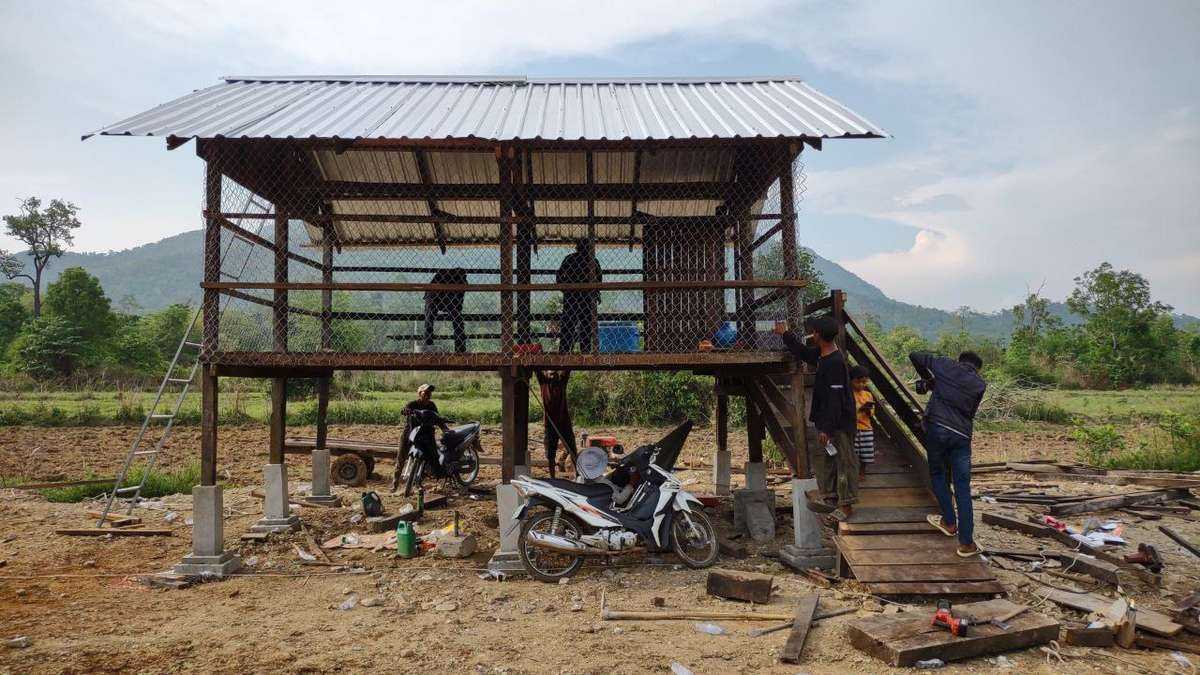
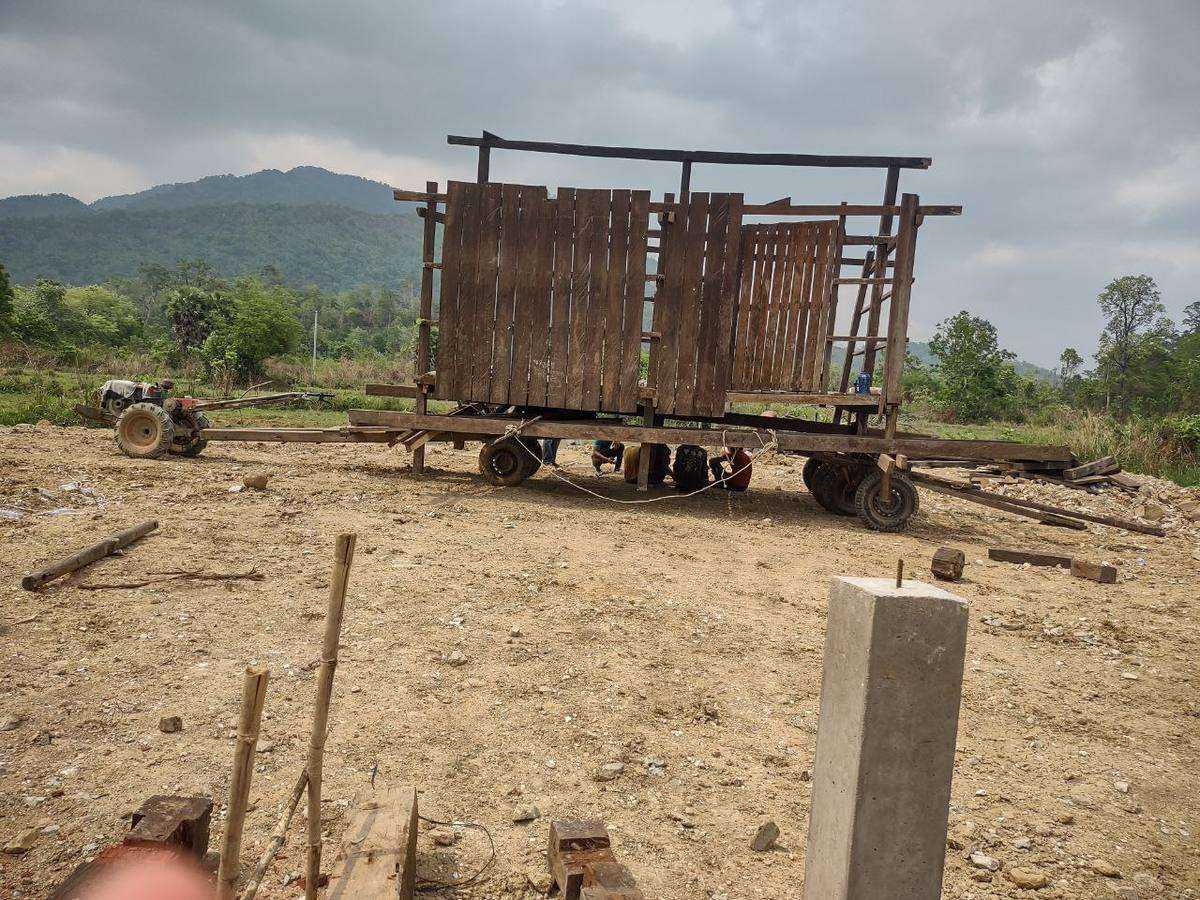
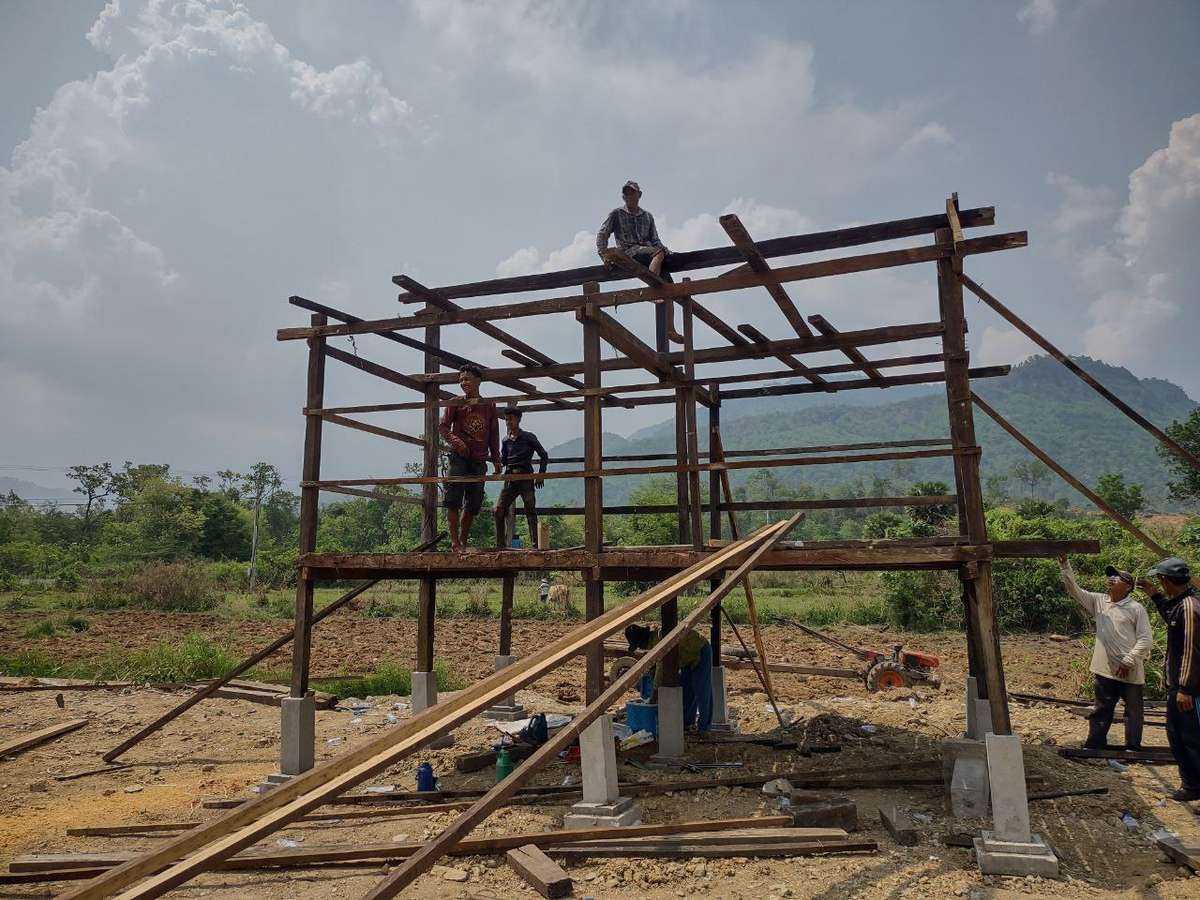
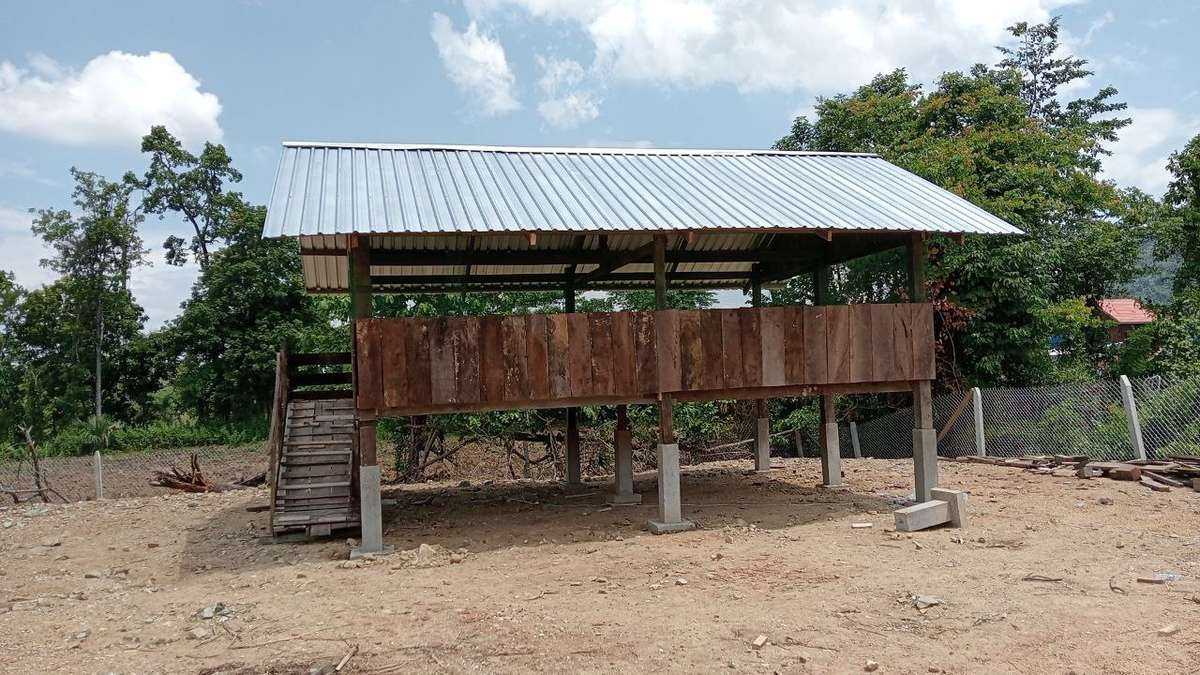
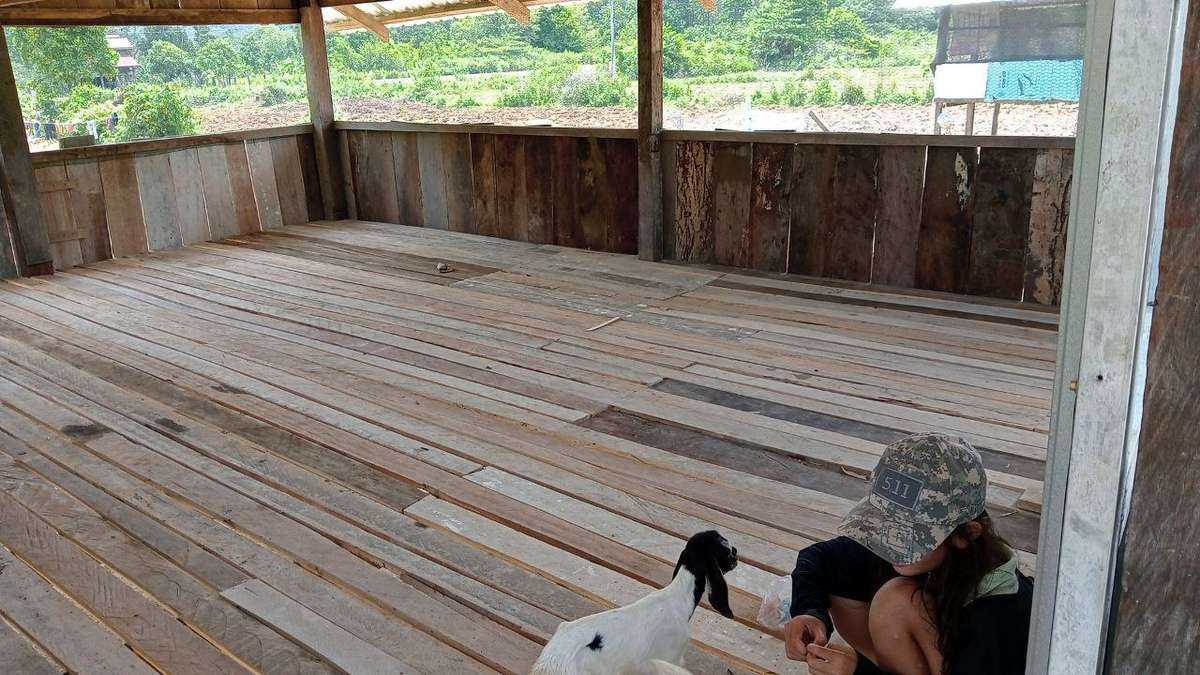
Community-Led Design
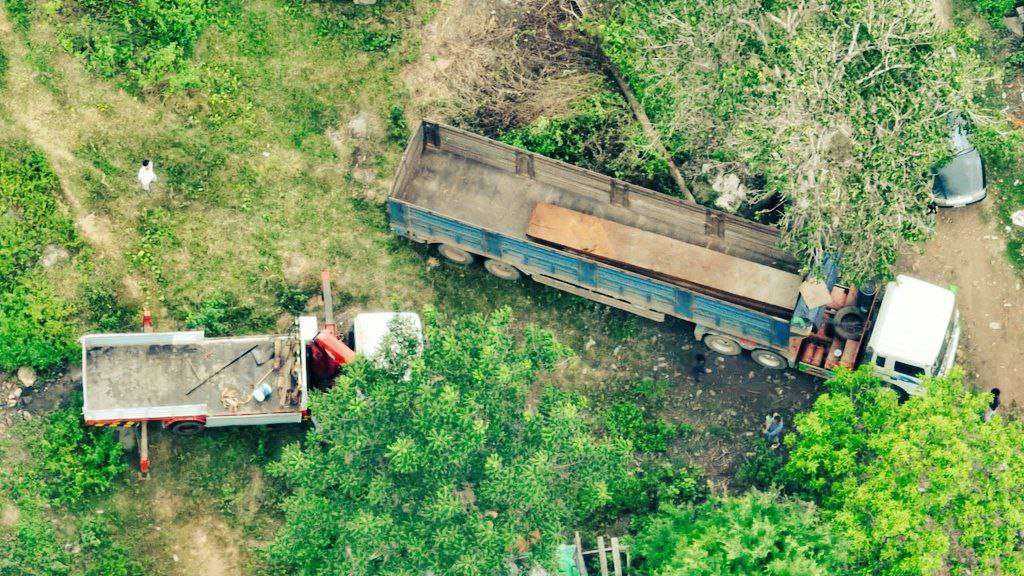
Sustainable design — using recycled, repurposed materials sourced locally from villagers. As simple as recovering abandoned structures, scrap wood, and discarded materials, repurposed for cost effectiveness.
Help Us Prove That Communities and Forests Can Thrive Together
GSO publishes pilot data, peer-reviewed benchmarks, and financial reports. 1-year aquaculture pilot: 90% survival rate, 26.8–53.7 kg/m² yield, exceeding peer-reviewed benchmarks by 12–29x. Independent verification status is stated for each metric.
17 years of self-funded impact proved our model works. Now, we're seeking funding partners to help us scale it to meet challenges far bigger than what we can tackle alone.