2
Schools Built
12
Schools Renovated
1,000
Families Served
9
Schools Supported
2009
Year Founded
Phnom Samkos Goat Enterprise
Phnom Samkos Wildlife Sanctuary • Running since 2023
Status
Pilot Completed
Investment
$150-250 per goat
Project area villages
O'Saom (Phum Ou Saom, postal 15060101) — Chong Indigenous village, ~507 people, inside the central Cardamom-Phnom Samkos forest
Tampor (Phum Tampor) — village site of GSO's core operations, directly adjacent to the Phnom Samkos REDD+ project access road
Thmol Da (Phum Thmol Da) — community within the Phnom Samkos Wildlife Sanctuary buffer zone
Samlanh (Phum Samlanh) — community within the sanctuary area
How it works
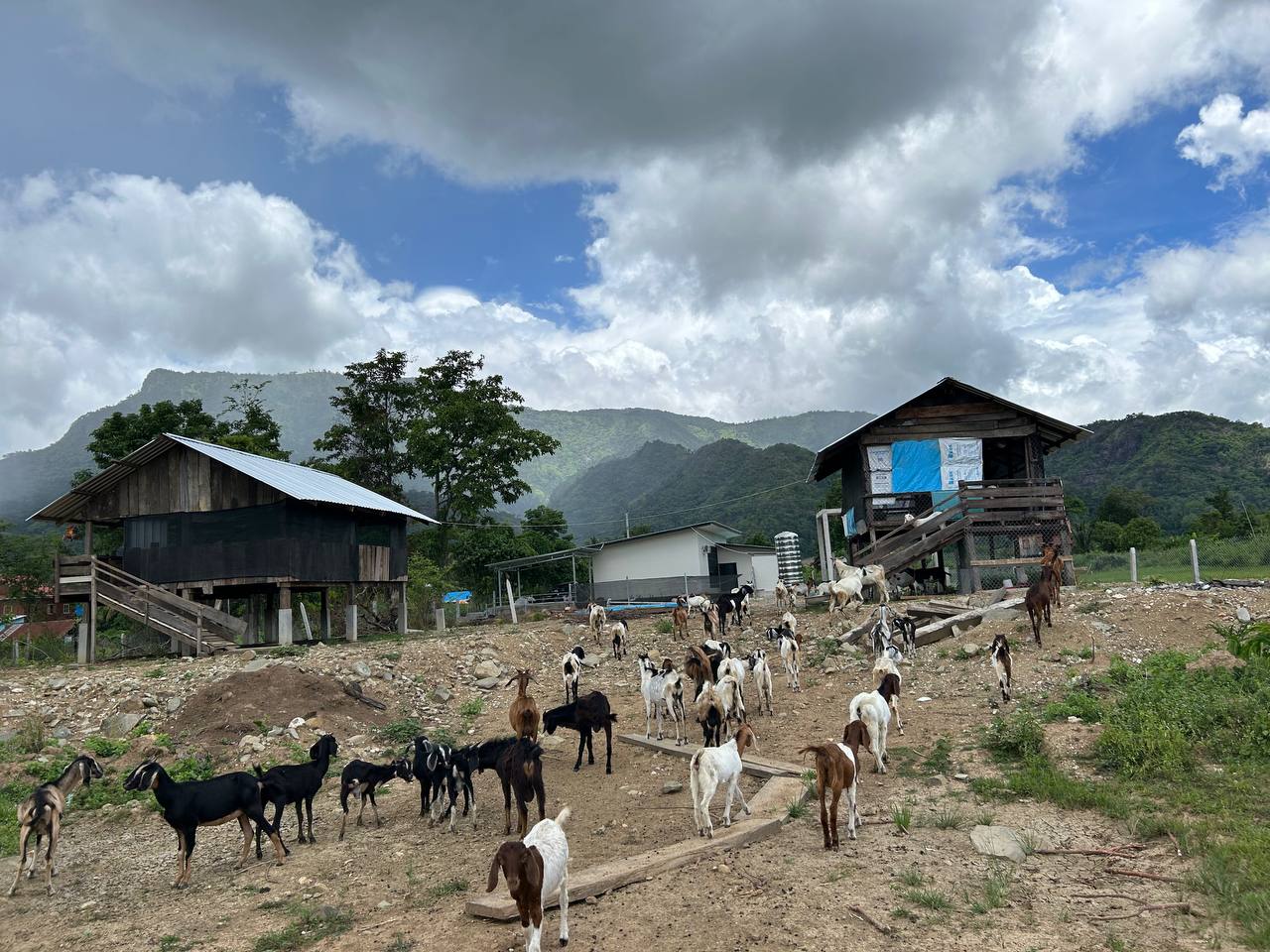
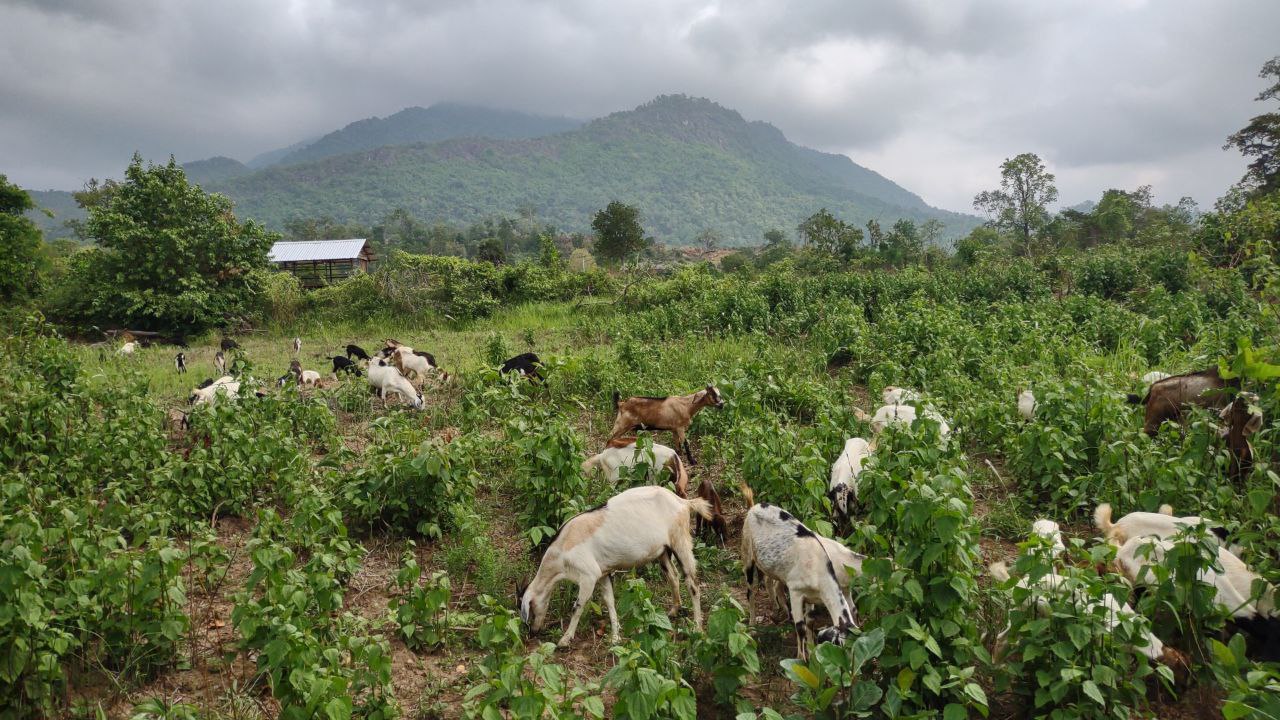
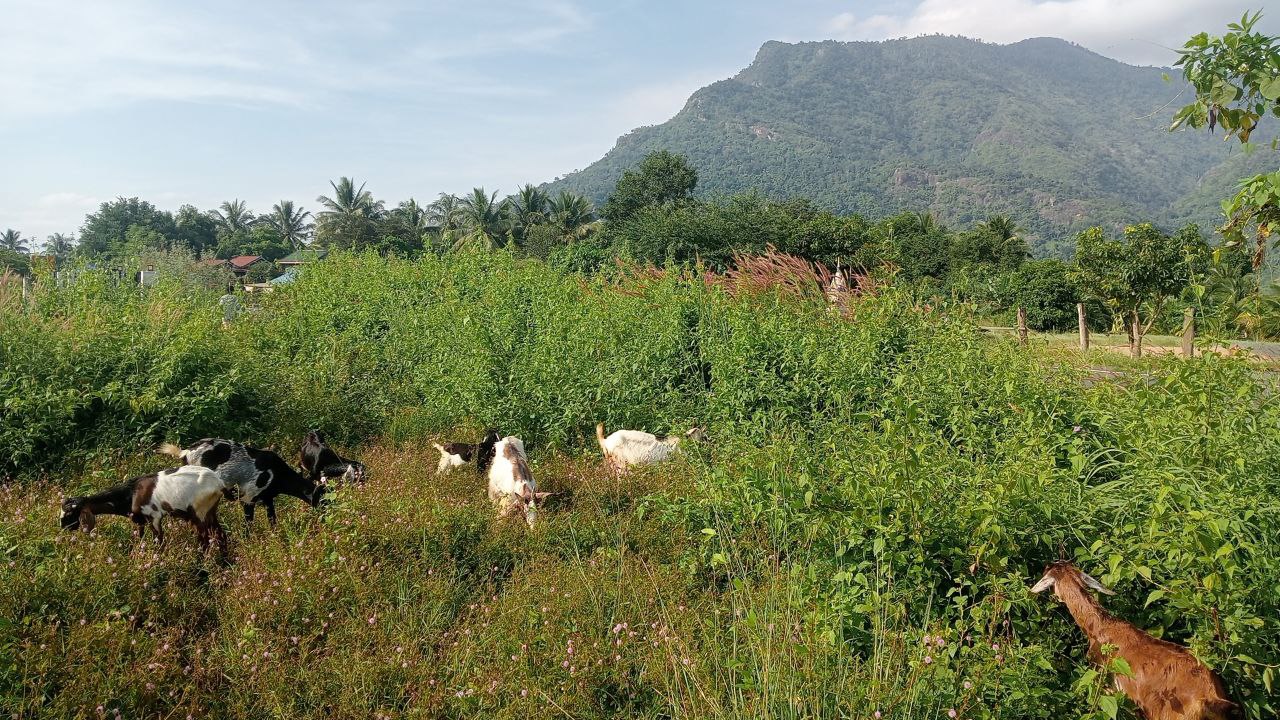
Goats deployed in groups of 3 females + 1 male to participating families. Families manage breeding, feeding, and day-to-day care independently. GSO provides veterinary support, training, and ongoing technical guidance. Goats browse on forest-edge vegetation — reducing pressure on standing timber while generating income from meat and manure sales.
Results
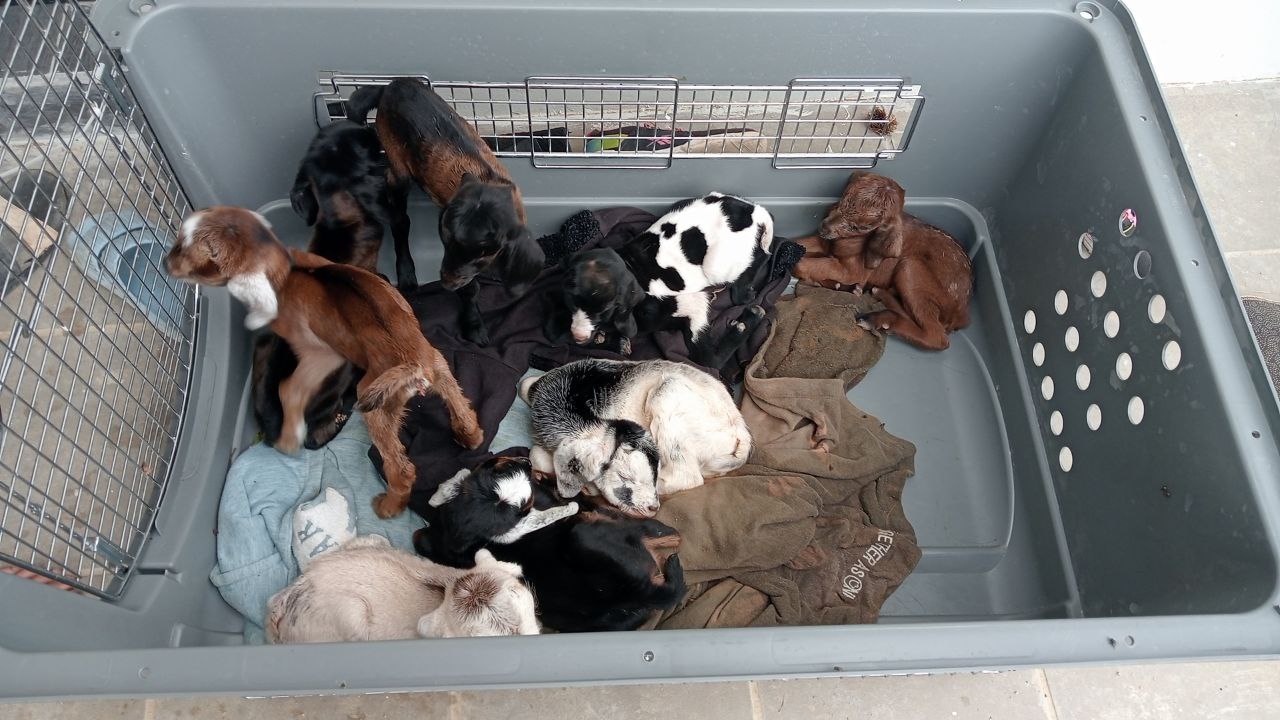
40 goats grew to 130+ at peak, 90 sold across 3 replicate cycles
Model replicated across 3+ years — self-sustaining revenue cycle
Goat fertilizer sold locally — closing the loop with agriculture projects
Who benefits
Chong Indigenous families and rural households across four villages in the Phnom Samkos Wildlife Sanctuary area. O'Saom is the commune namesake — a Chong Indigenous village of ~507 people inside the central Cardamom-Phnom Samkos forest. All GSO projects are designed to be preferential for interested women. Needs assessed as they arise, prioritized using UN SDG criteria.
Priority criteria: Single mothers, elderly women caring for grandchildren abandoned with them, and families most vulnerable to economic pressure that drives forest encroachment.
Market demand
Goat meat sells for $7.50/kg live weight, $13+/kg as meat. Demand from Chinese and local markets consistently exceeds supply. Families within the sanctuary have limited market access — GSO connects producers to buyers and ensures fair pricing.
Threats addressed
Technical Documentation
Download Technical Proposal (PDF) ↓Project photos
Model proven — ready to scale
Cham Minority Primary School Project
School for Cham ethnic minority • Kampong Chhnang
Status
Completed
Investment
$60,000
What was built
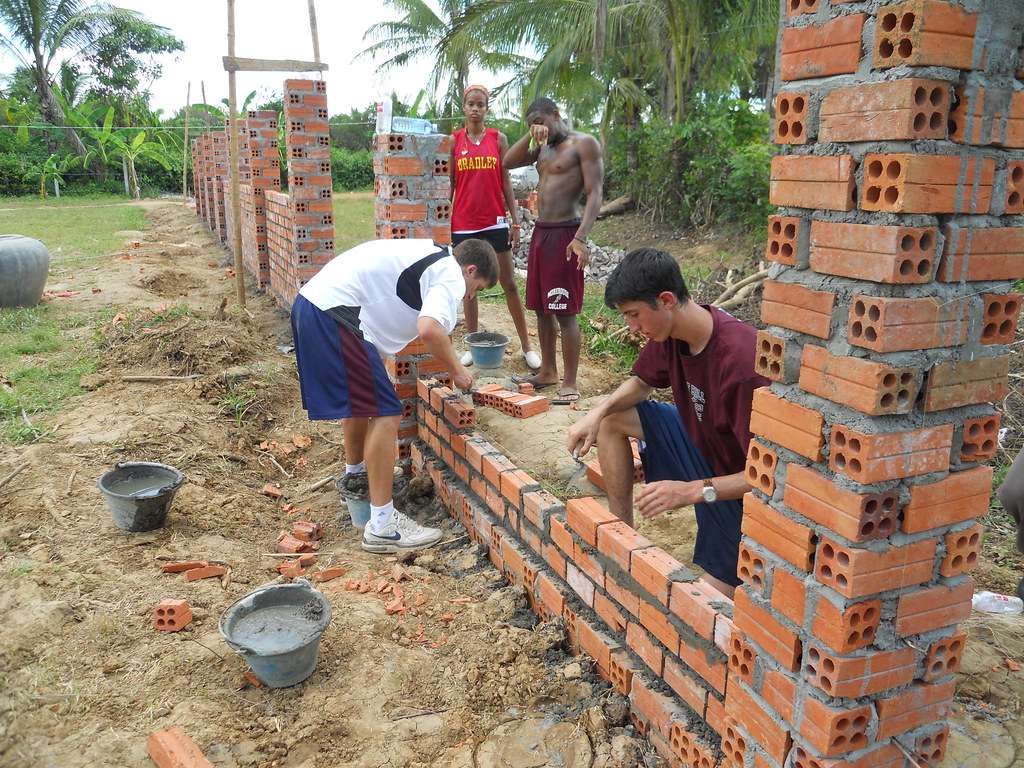
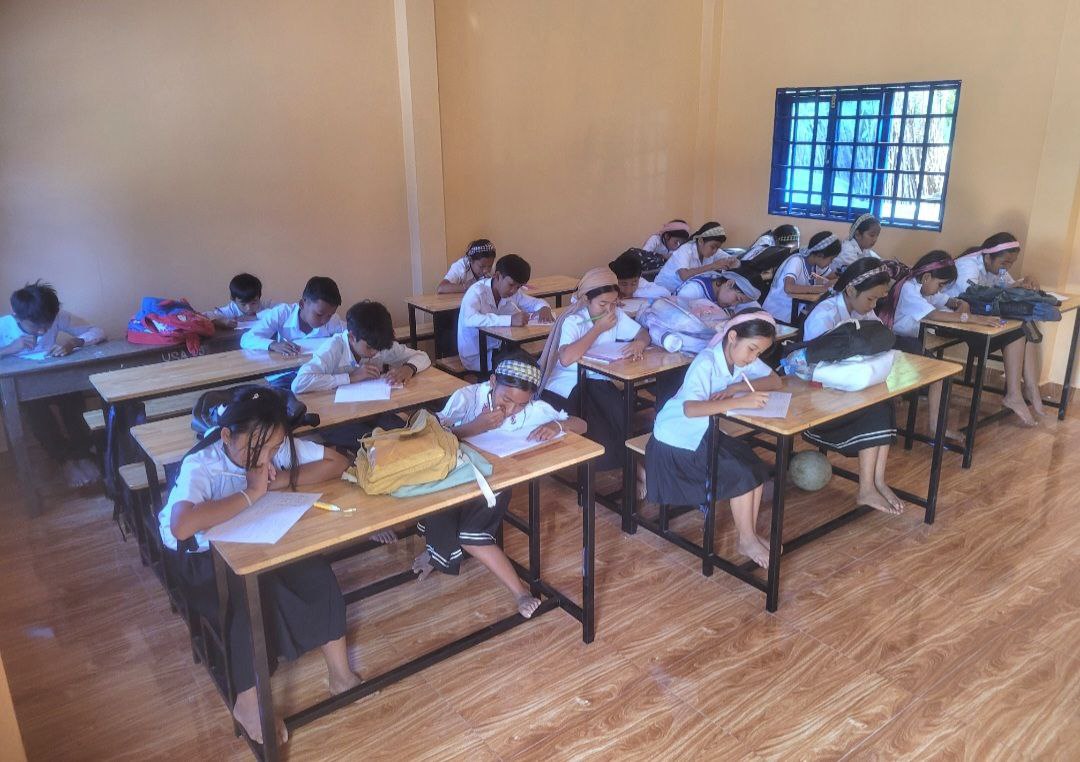
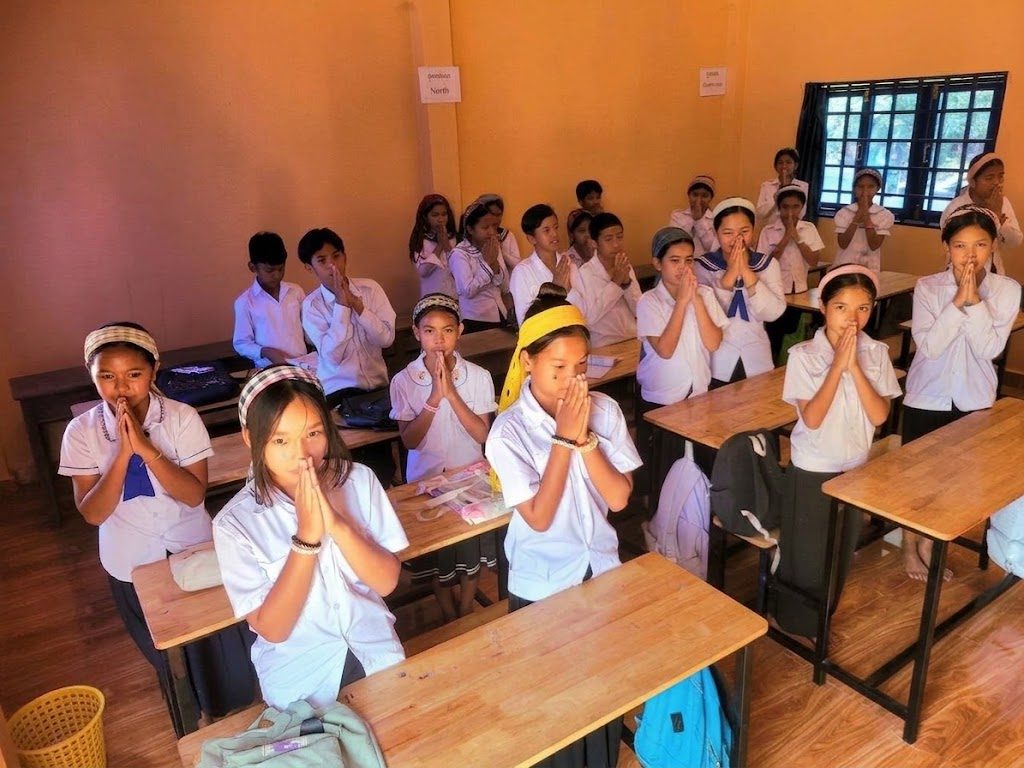
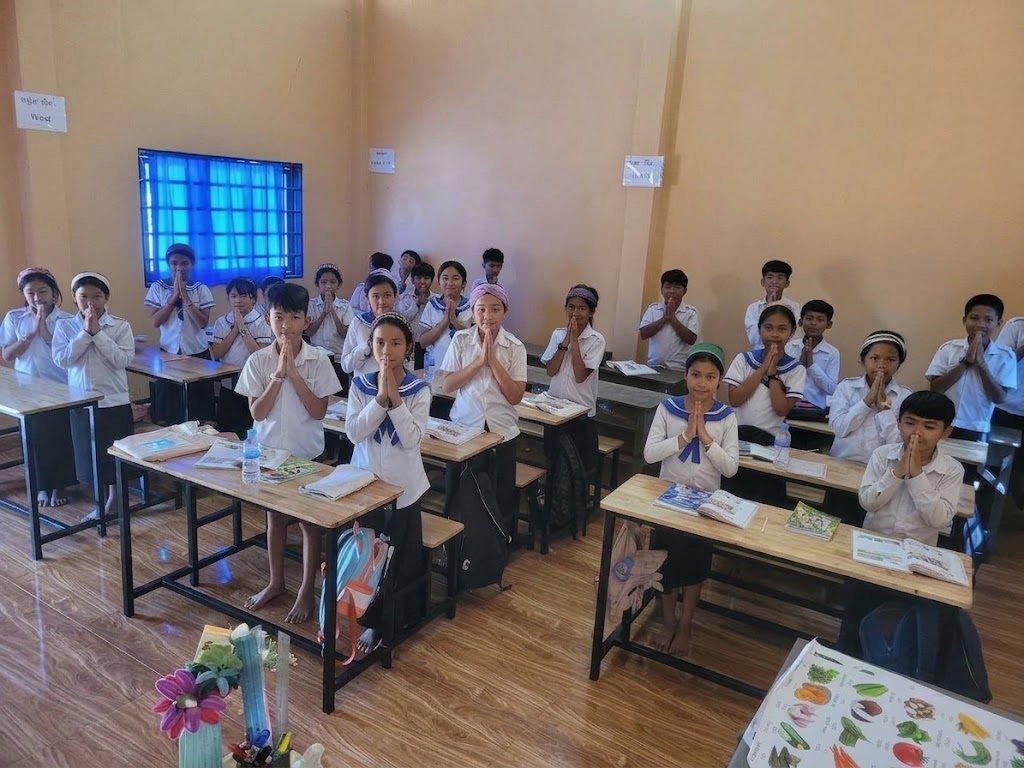
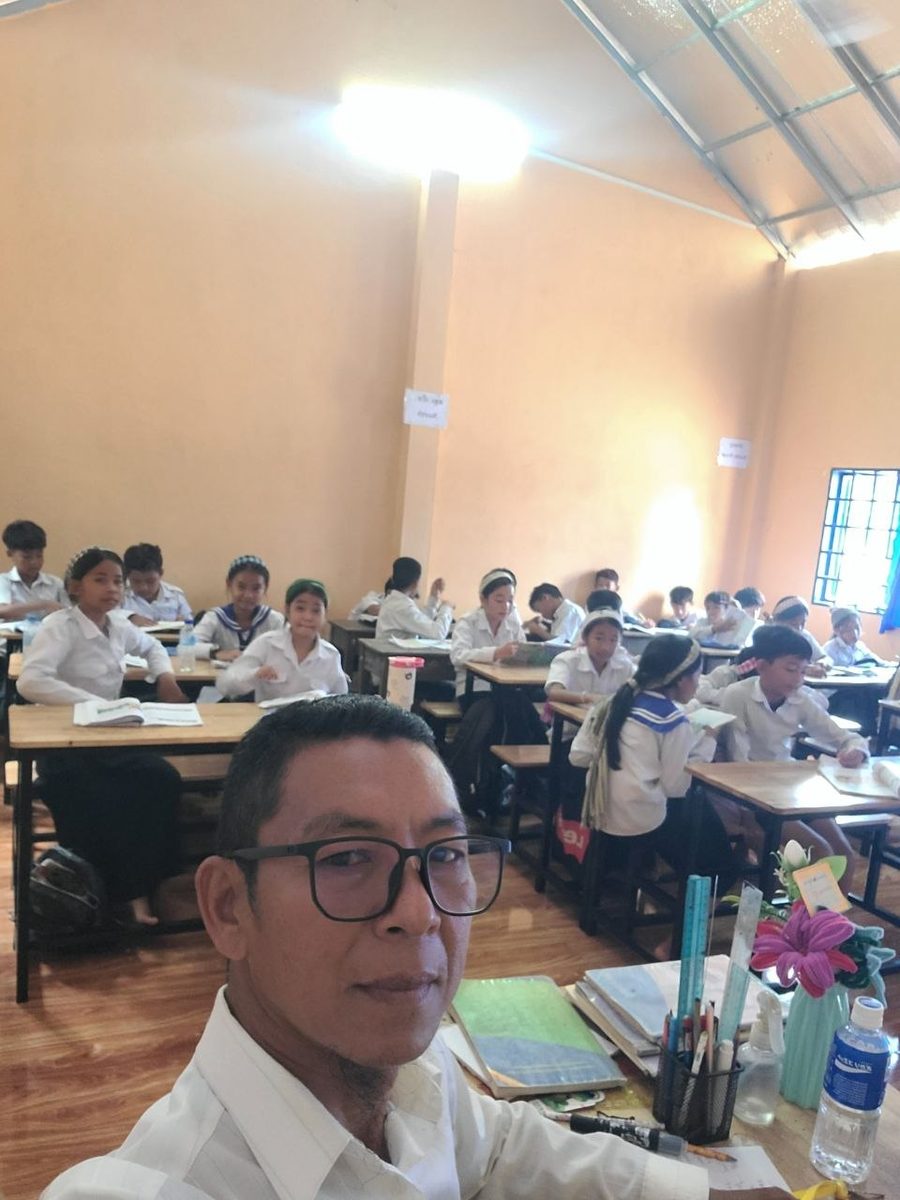
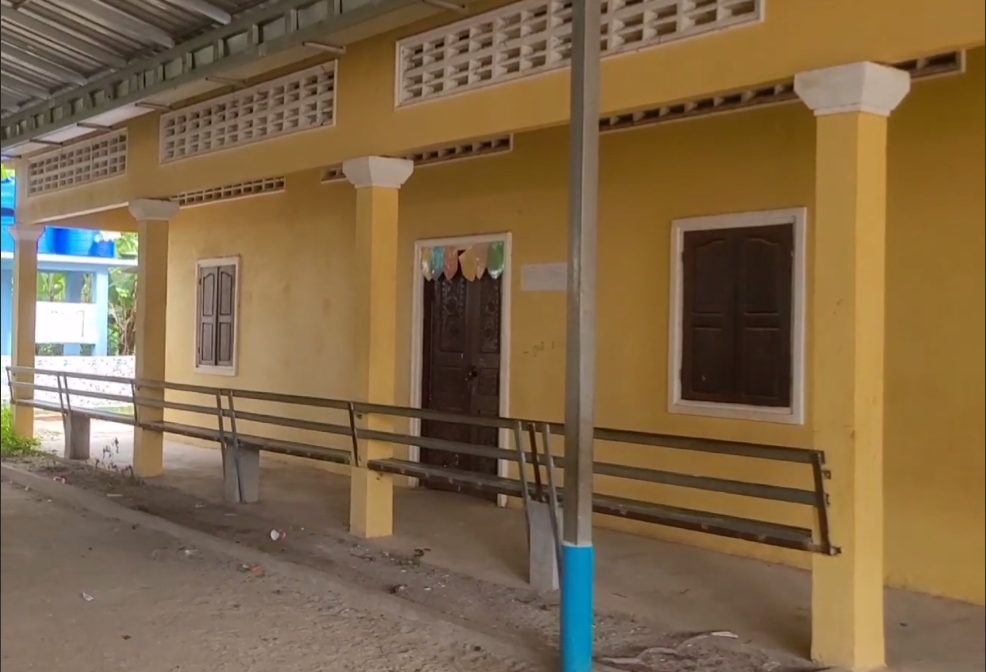
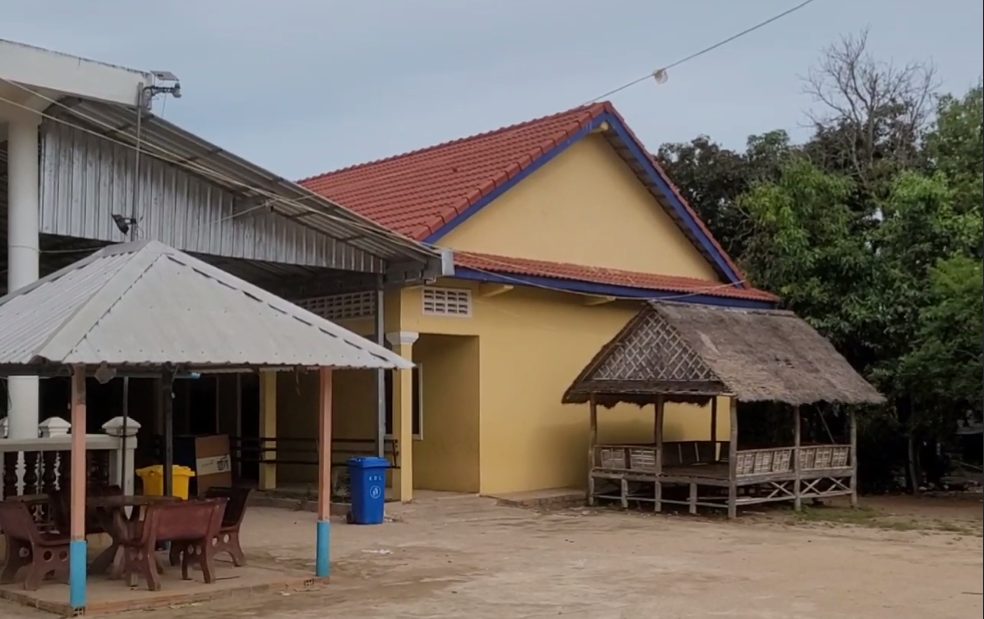
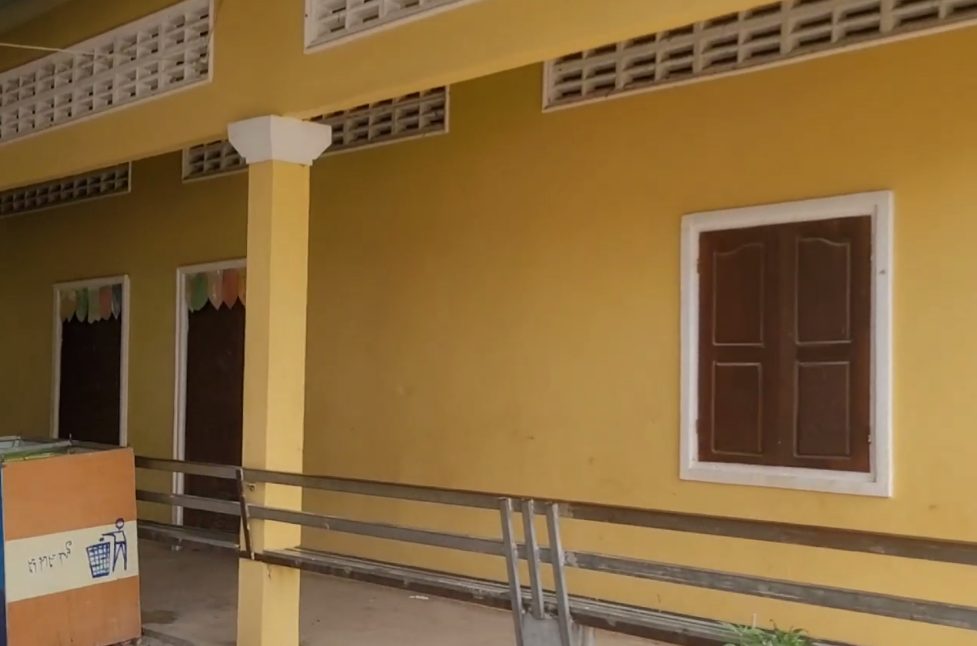
A school serving the Cham ethnic minority community in Kampong Chhnang province. Completed in 2016 and handed over to local government with full ownership and stewardship transferred to the community. The school provides classrooms for English and local Cham Language instruction 6 days a week, along with primary and early education for kindergarten-aged children.
Community impact
Education access for ethnic minority families
Ownership transferred to local government
Still in service since 2016
Project photos
Who benefits
Cham ethnic minority community — among the most educationally underserved groups in Cambodia. All GSO projects are designed to be preferential for interested women. Needs assessed as they arise, prioritized using UN SDG criteria.
Priority criteria: Single mothers, elderly women caring for grandchildren abandoned with them as parents take work abroad due to lack of local opportunities, and families most vulnerable to economic pressure.
Threats addressed
GSO principle
Every project GSO completes is handed over to the communities where we work.
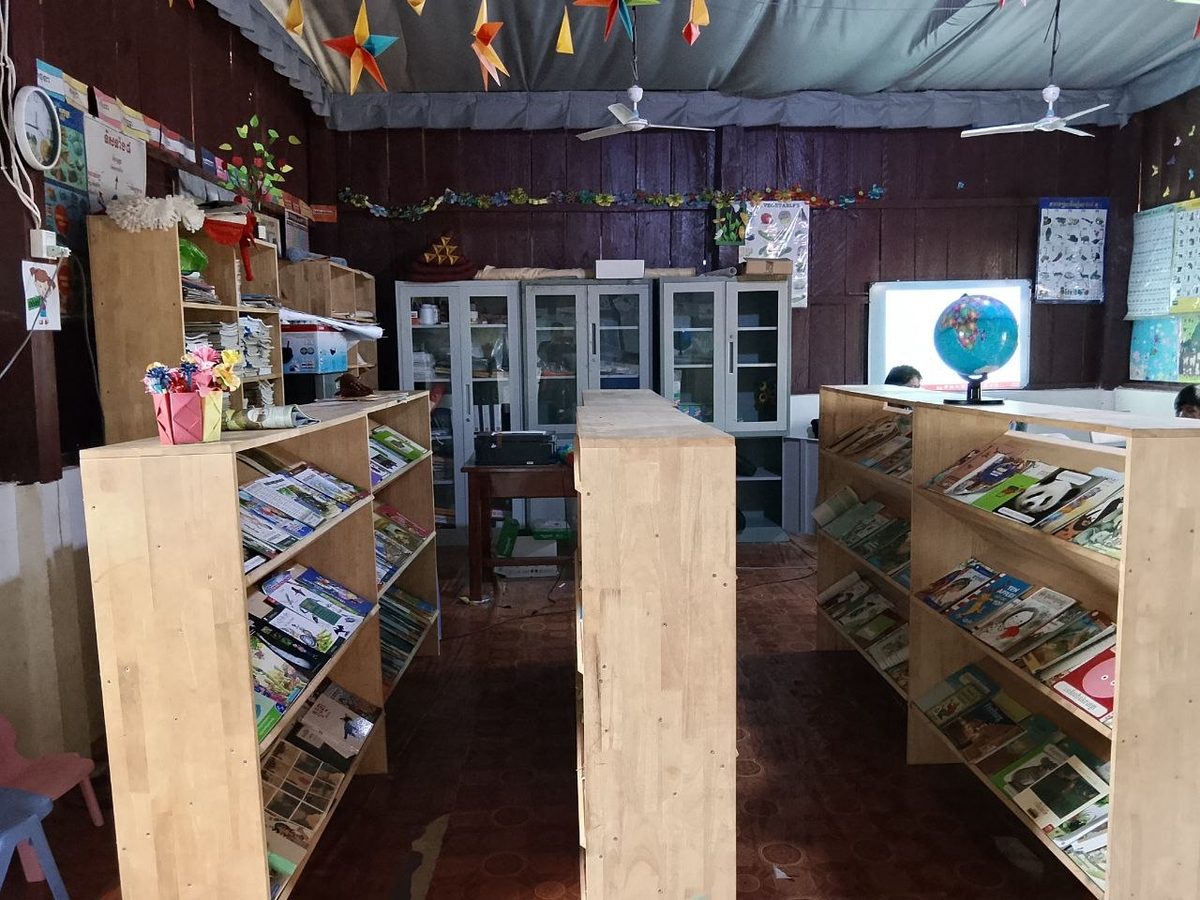
Arai Village School
School construction • Kos Kralor District, Battambang Province • Completed & Handed Over
Status
Completed
Investment
$35,000
What was built
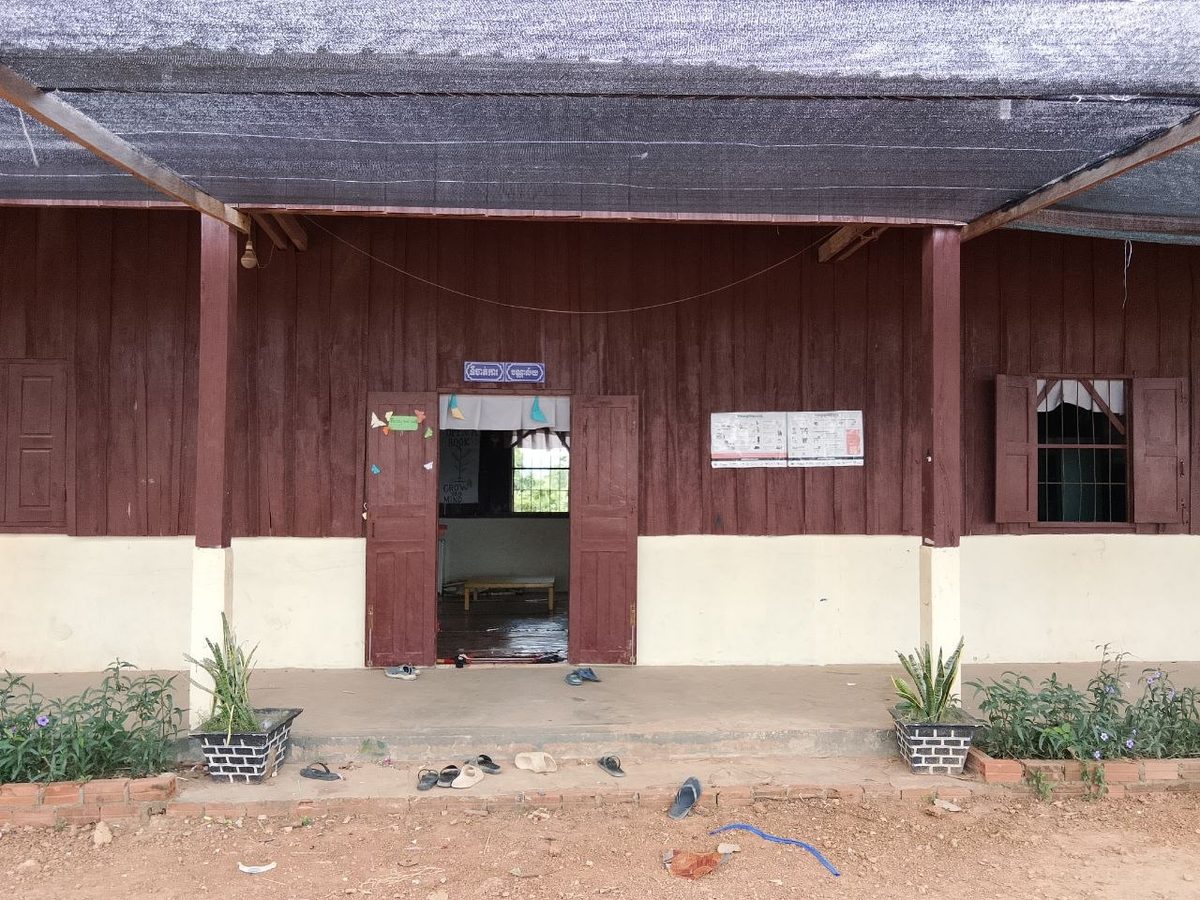
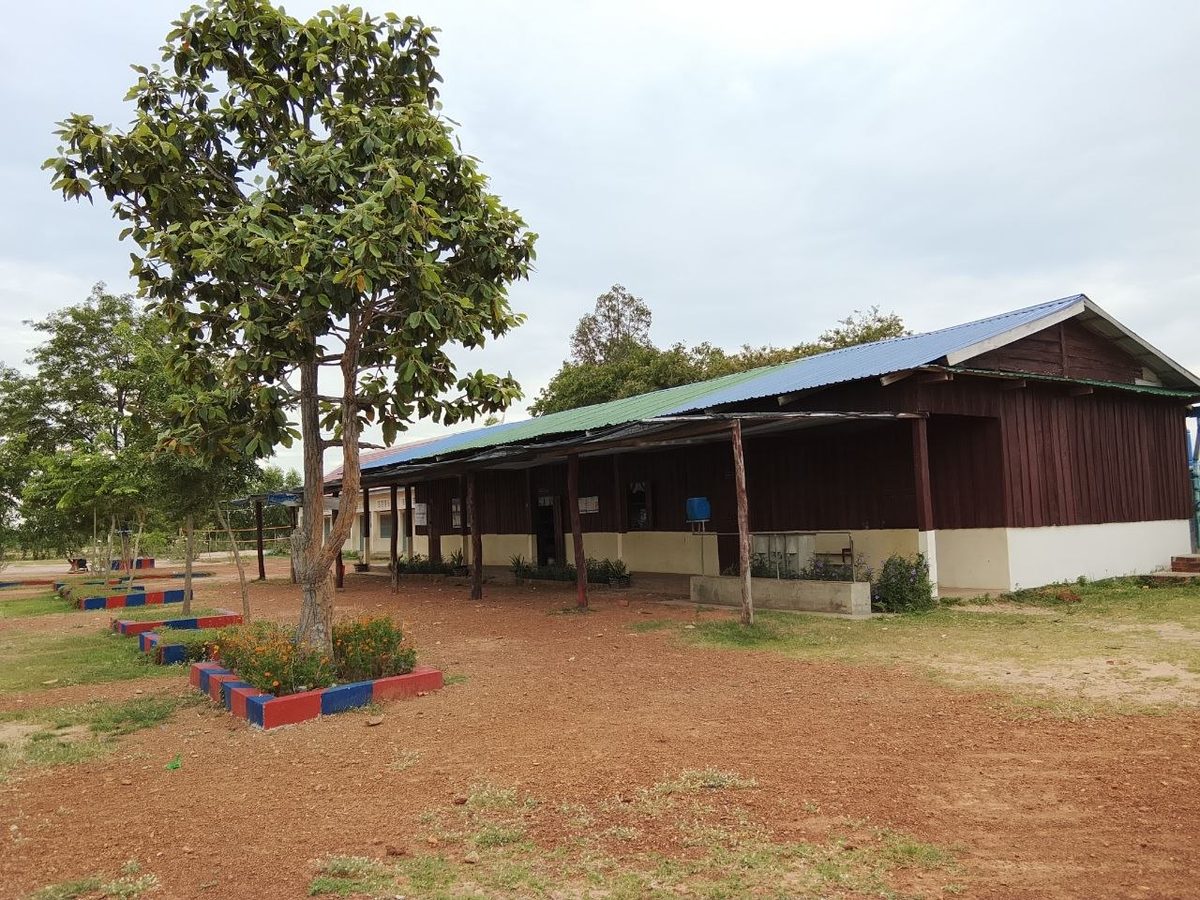
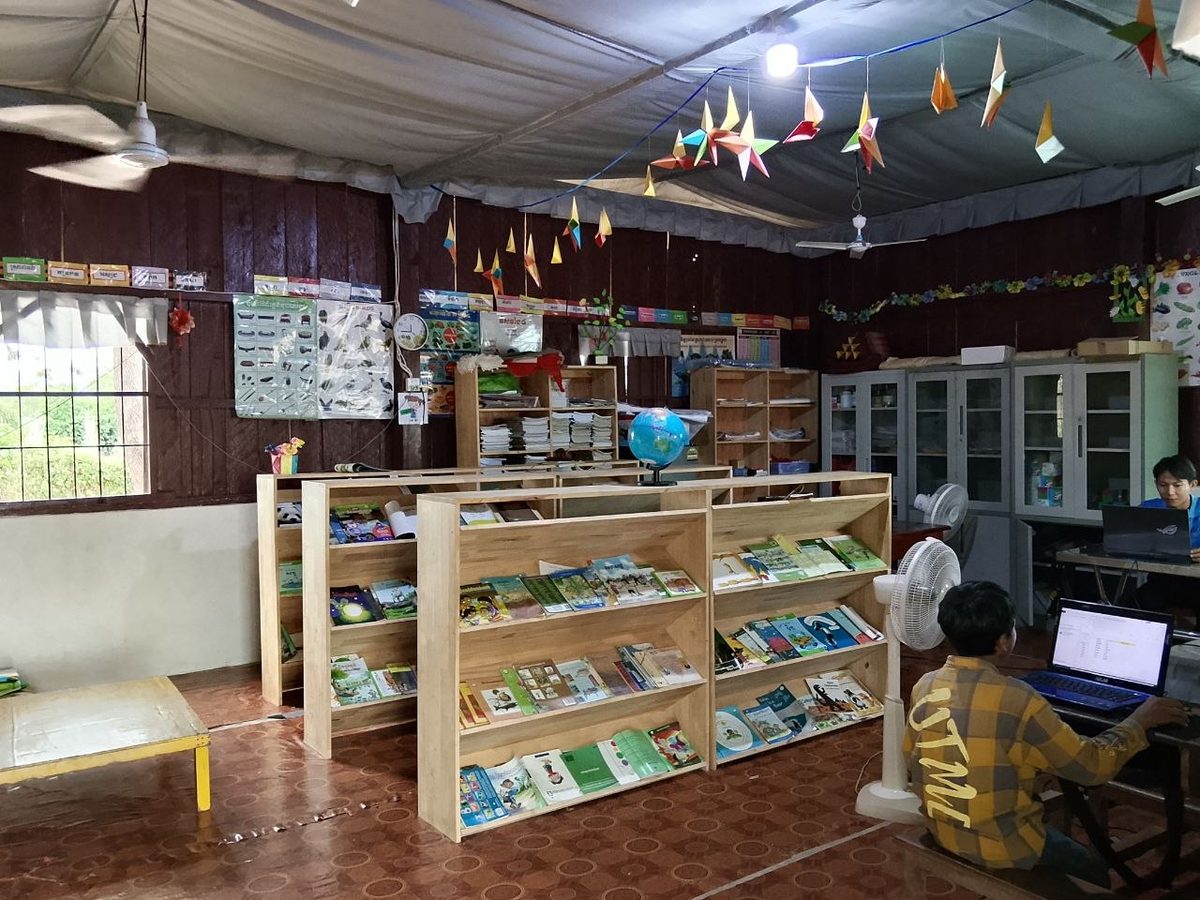
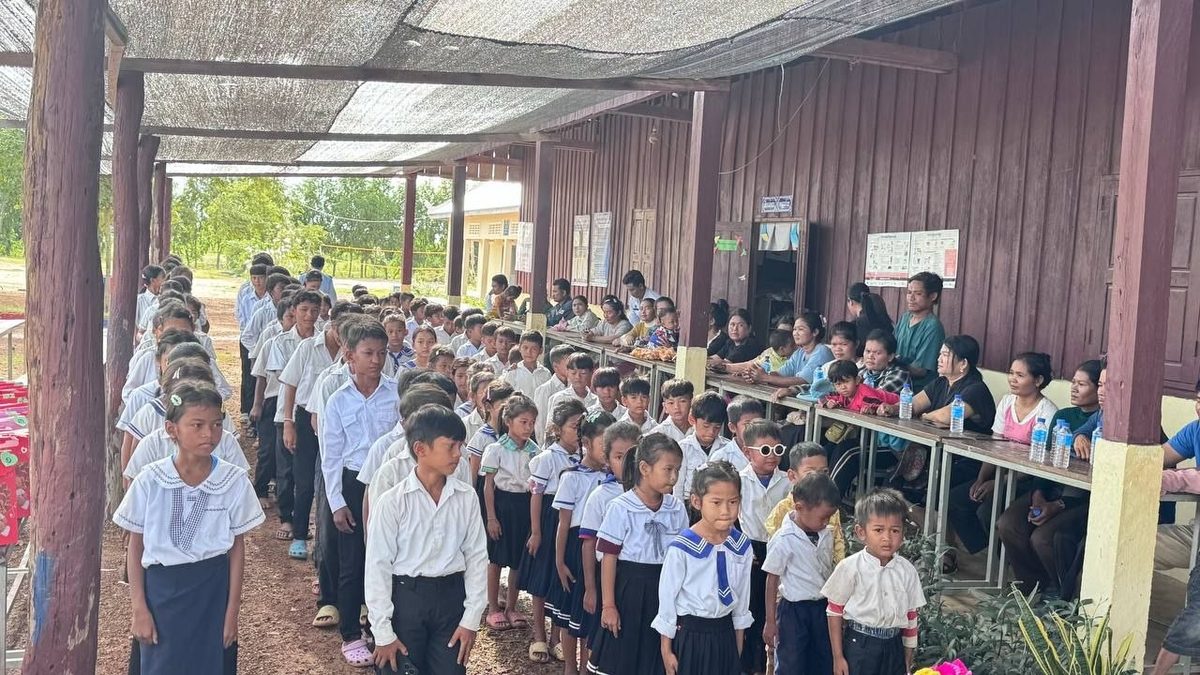
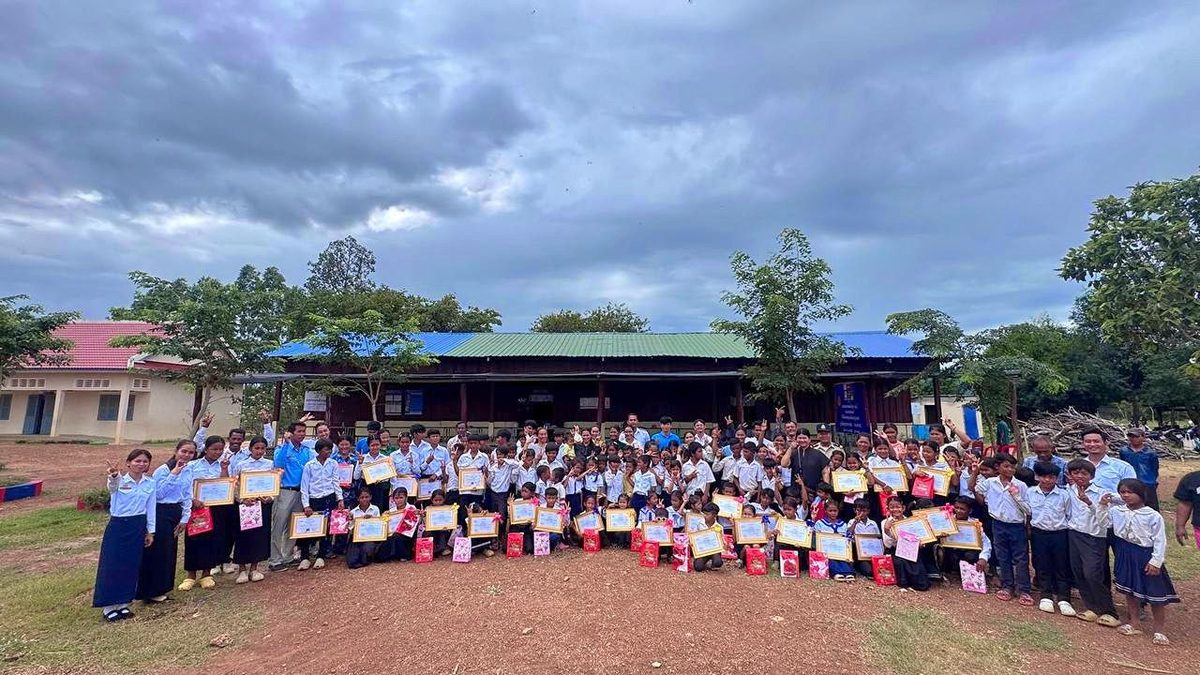
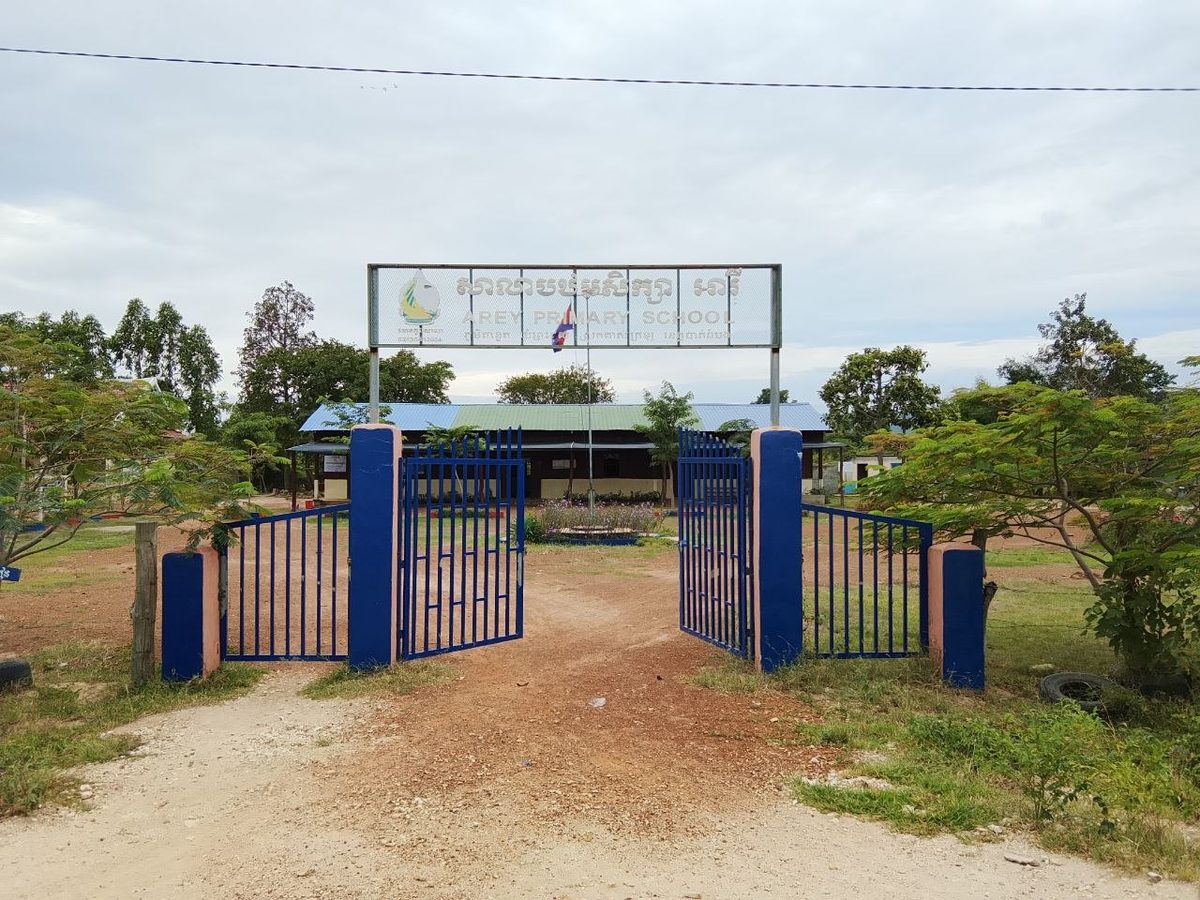
A full school facility serving over 160 families in Arai Village. Construction included classroom buildings, school toilets, and basic infrastructure. Previously, the village had no school and no sanitation facilities for children. The project was completed and handed over to the local government for ongoing management.
Community impact
First school ever built in Arai Village
School toilets constructed — previously none existed
Site of GSO's first World Food Programme partnership
Currently supported and managed by an education-focused NGO
Who benefits
100 children and 160+ families in an underserved rural village. First school ever built here — children previously had no access to education. All GSO projects are designed to be preferential for interested women. Needs assessed as they arise, prioritized using UN SDG criteria.
Priority criteria: Single mothers, elderly women caring for grandchildren abandoned with them, and families most vulnerable to economic pressure that drives forest encroachment.
Threats addressed
GSO principle
Every project GSO completes is handed over to the communities where we work.
Project photos
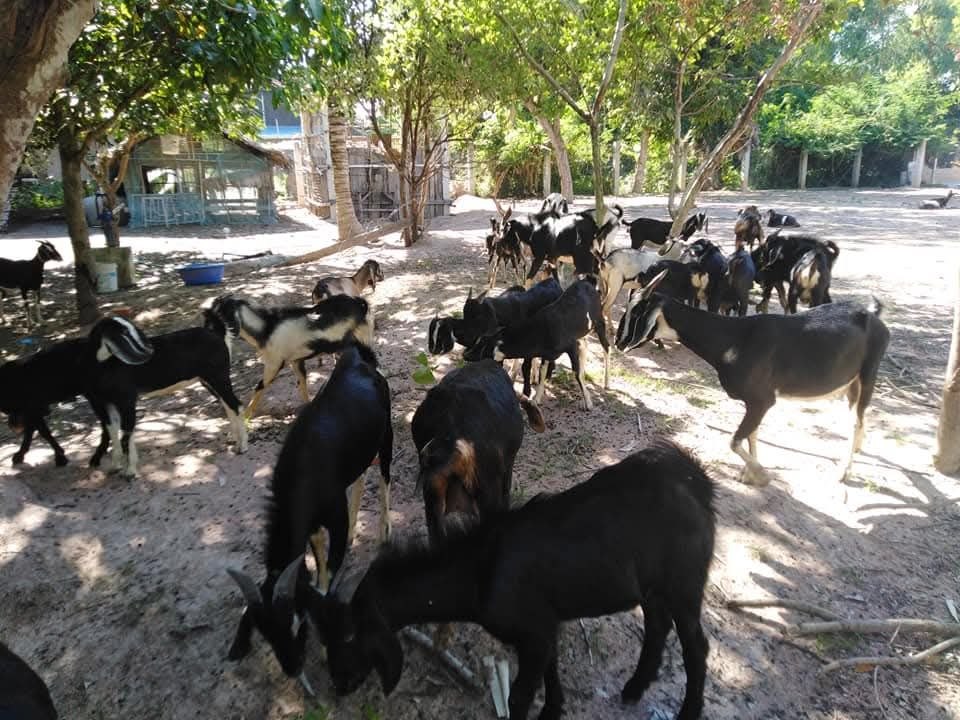
Chankiek Village Goat Project
Cham ethnic minority community • Kampong Chhnang • Completed
Status
Completed
Investment
$150-250 per goat
How it works
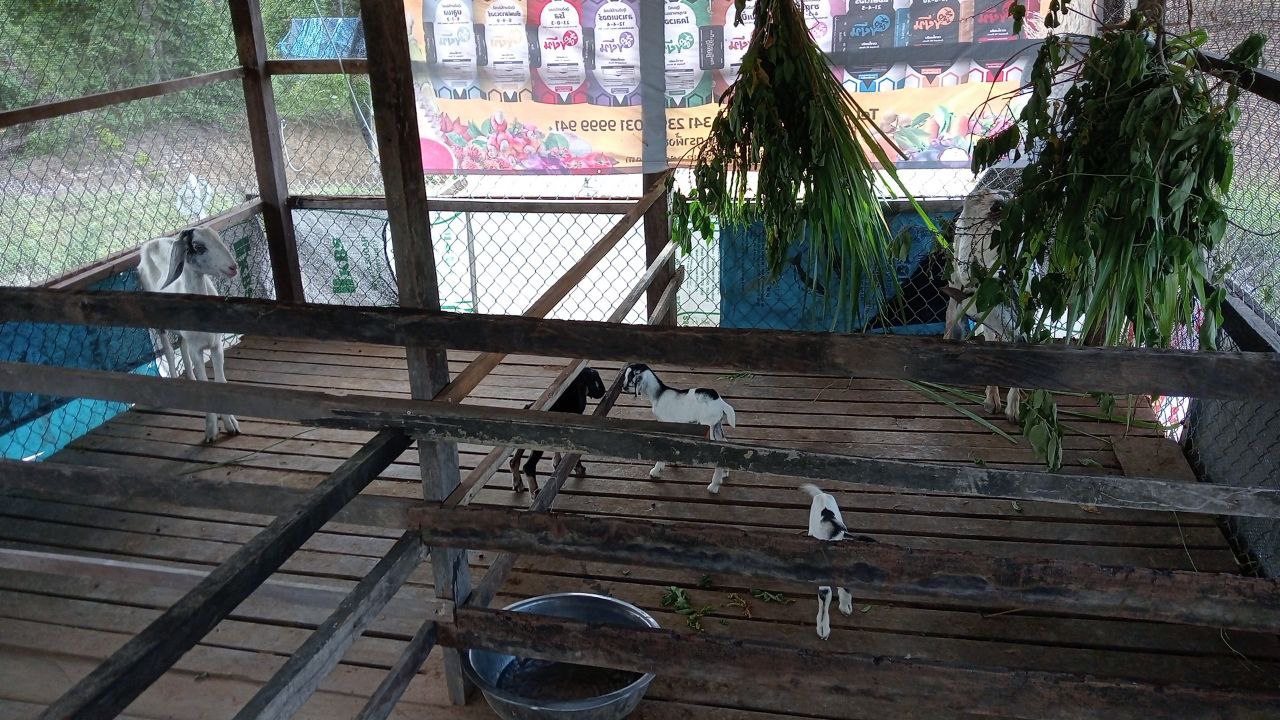
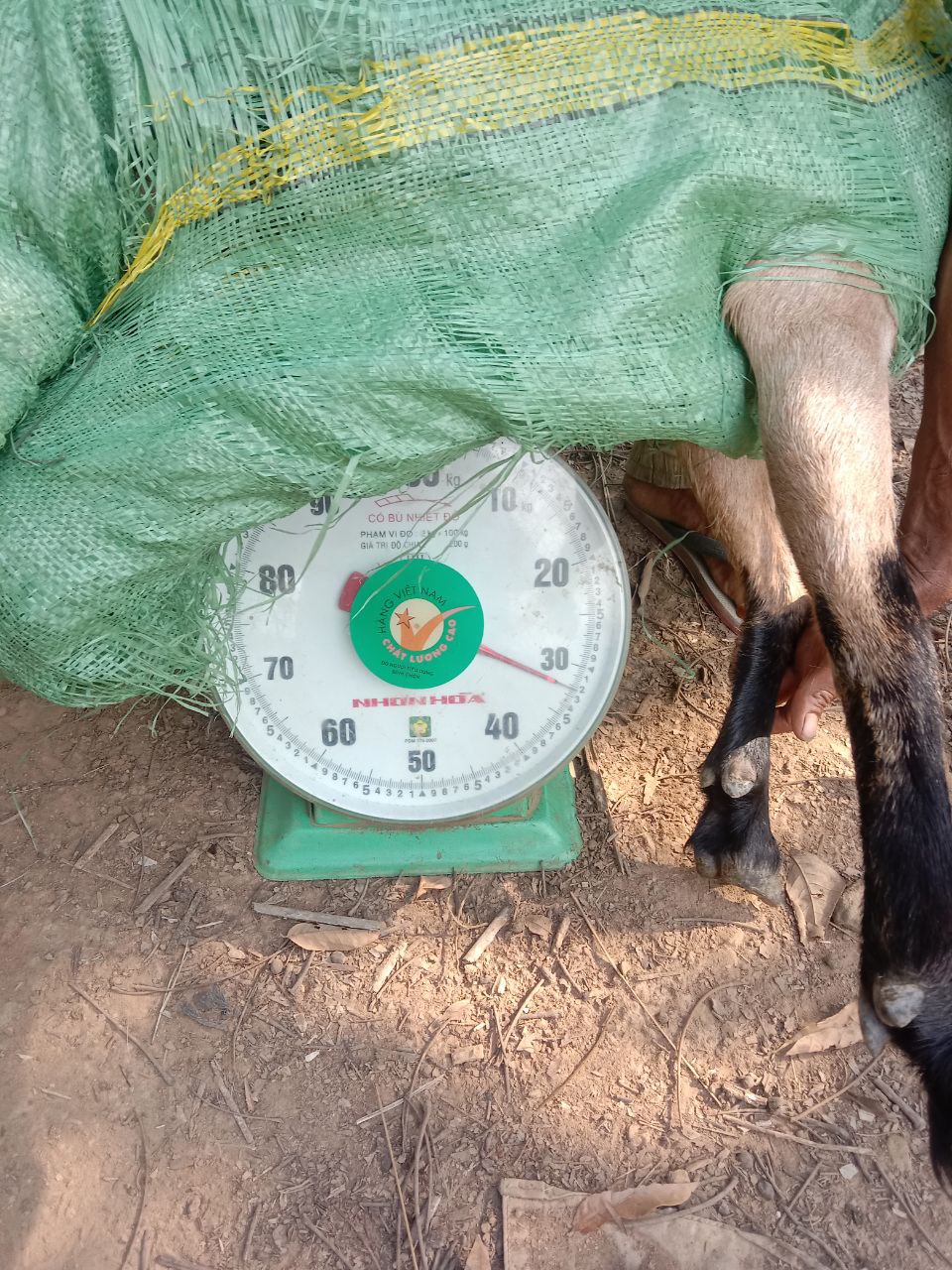
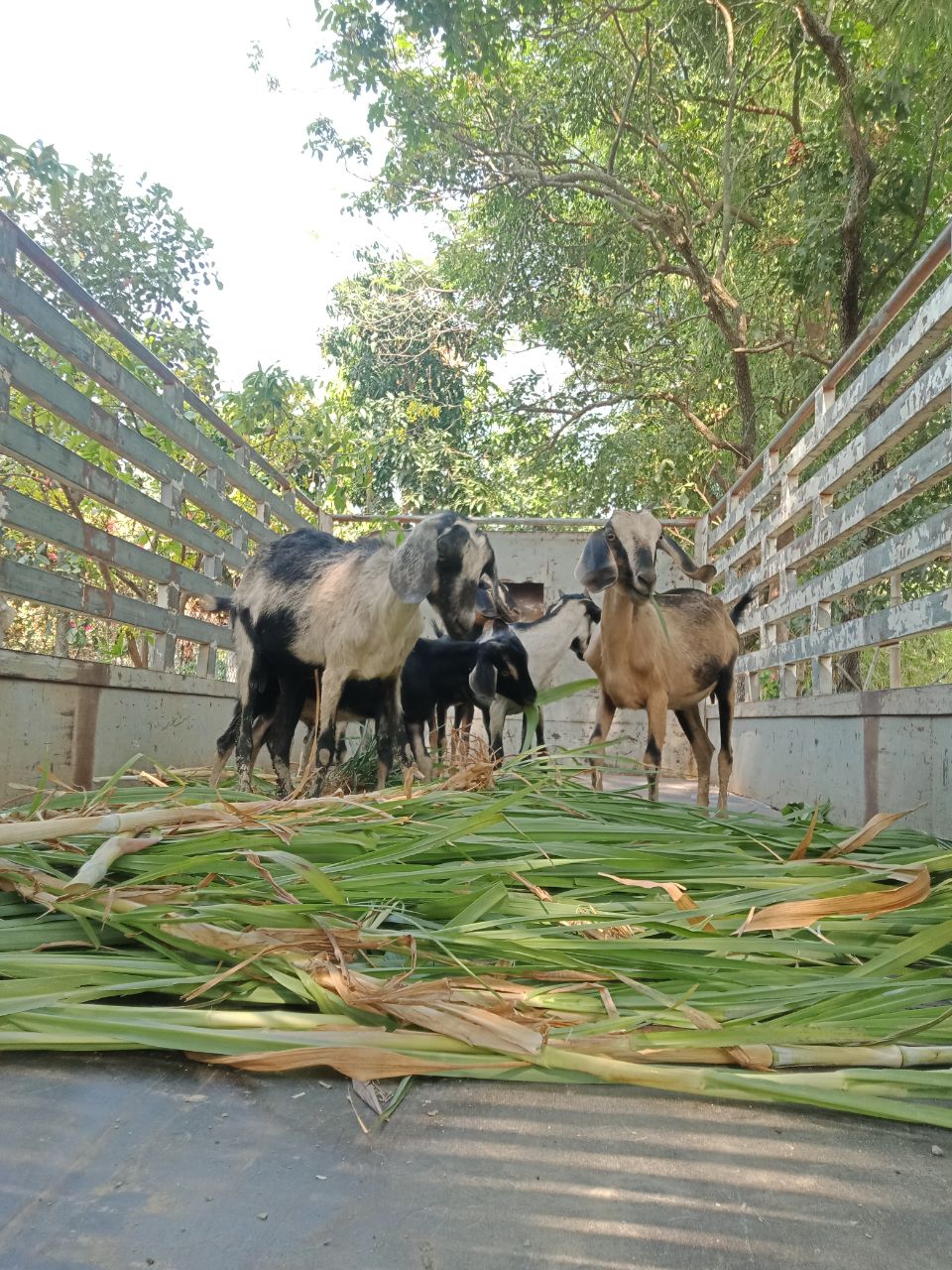
Goats placed with families in the Cham ethnic minority village of Chankiek — the same community where GSO built a school on community mosque property. Families received goats to manage independently, with training and veterinary support from GSO.
Results
Goats integrated with school and community programs
Fertilizer used for school garden and family plots
Extension of proven Phnom Samkos goat model
Who benefits
Cham ethnic minority families — among the most economically marginalized communities in the region. Limited market access and education barriers. All GSO projects are designed to be preferential for interested women. Needs assessed as they arise, prioritized using UN SDG criteria.
Priority criteria: Single mothers, elderly women caring for grandchildren abandoned with them as parents take work abroad due to lack of local opportunities, and families most vulnerable to economic pressure.
Market demand
Same demand dynamics as main goat enterprise — goat meat sells for $7.50/kg live weight, $13+/kg as meat. Strong demand from Chinese and local markets. Chankiek's proximity to provincial towns provides direct market access for families.
Threats addressed
Project photos
Community-owned model
Technical Documentation
Download Technical Proposal (PDF) ↓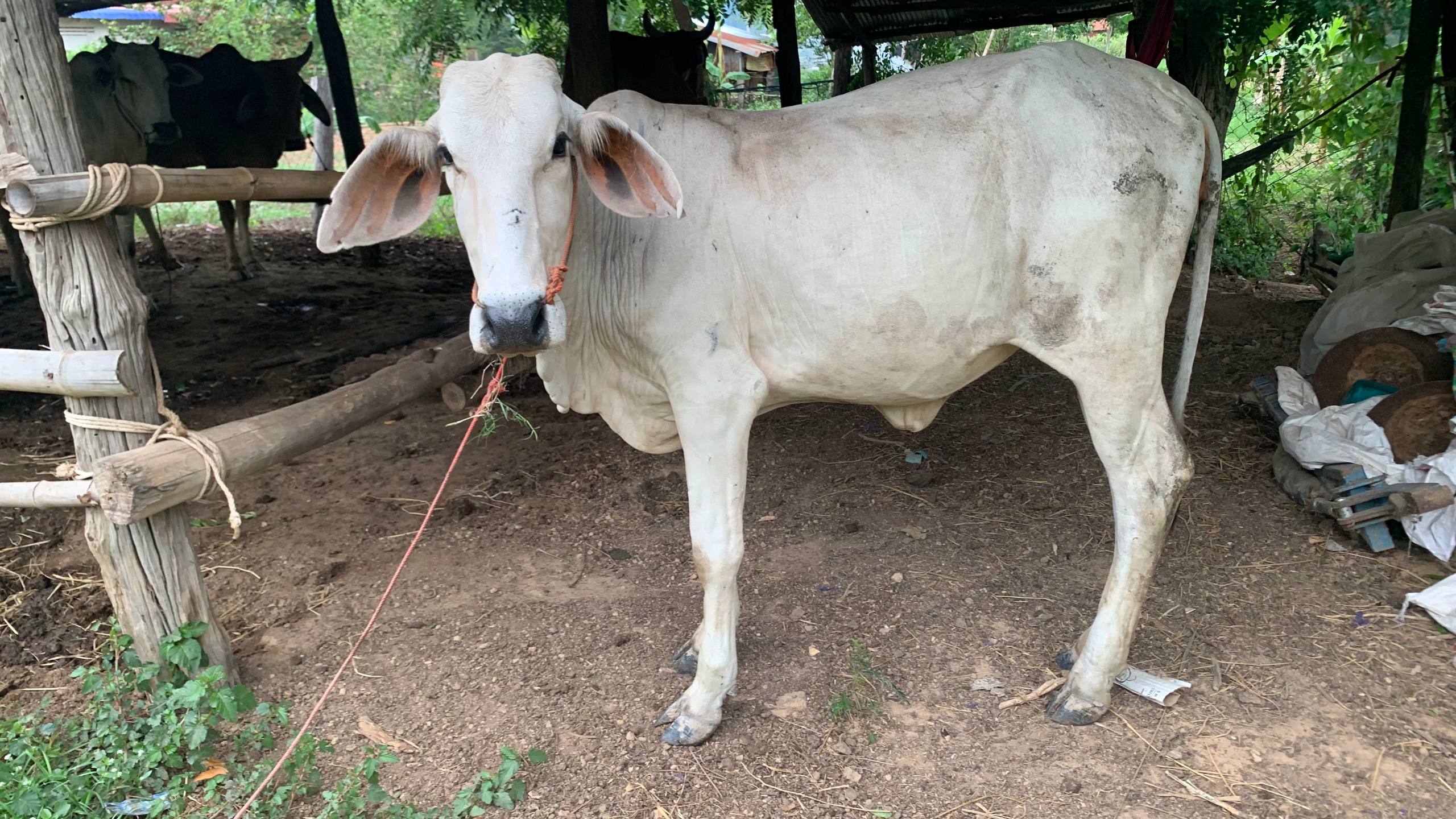
Arai Village Cow Program
Arai Village • Launched 2025 • Completed 2026
Status
Completed
Investment
$400-600 per cow
How it works
Female cows placed with single mothers and women-led families. Each cow provides dairy for family nutrition, calves for herd expansion, and manure for fertilizer. Families manage and breed the herd independently — GSO provides veterinary support and training.
Results
15 / 15 cows placed with women-led families — target achieved
Dairy and income generation from each placement
Community-owned, GSO-supported model
Priority criteria
Single mothers, elderly women caring for grandchildren abandoned with them, and families most vulnerable to economic pressure that drives forest encroachment.
Who benefits
Single mothers and elderly women caring for grandchildren. Priority given to families most vulnerable to economic pressures. Needs assessed as they arise, prioritized using UN SDG criteria.
Expansion — Phnom Samkos Wildlife Sanctuary
Over 50 additional families in the area who may benefit from livestock placement to diversify household income.
Threats addressed
Project photos
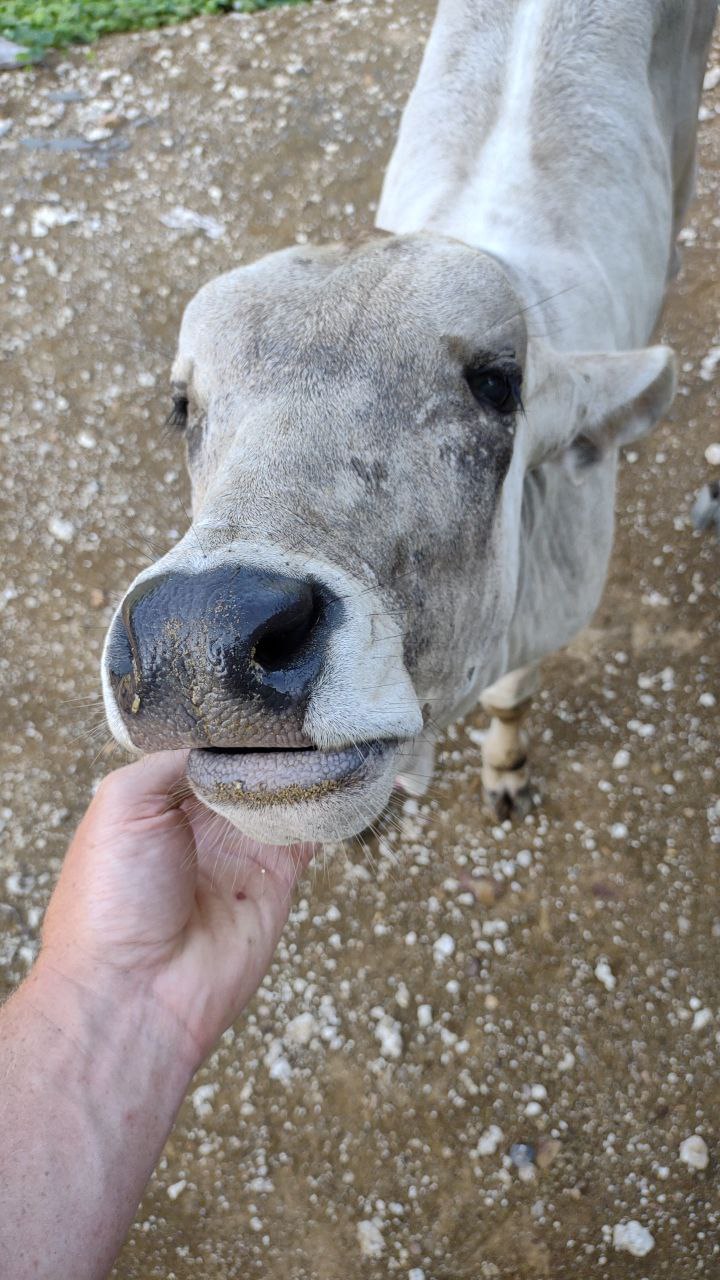
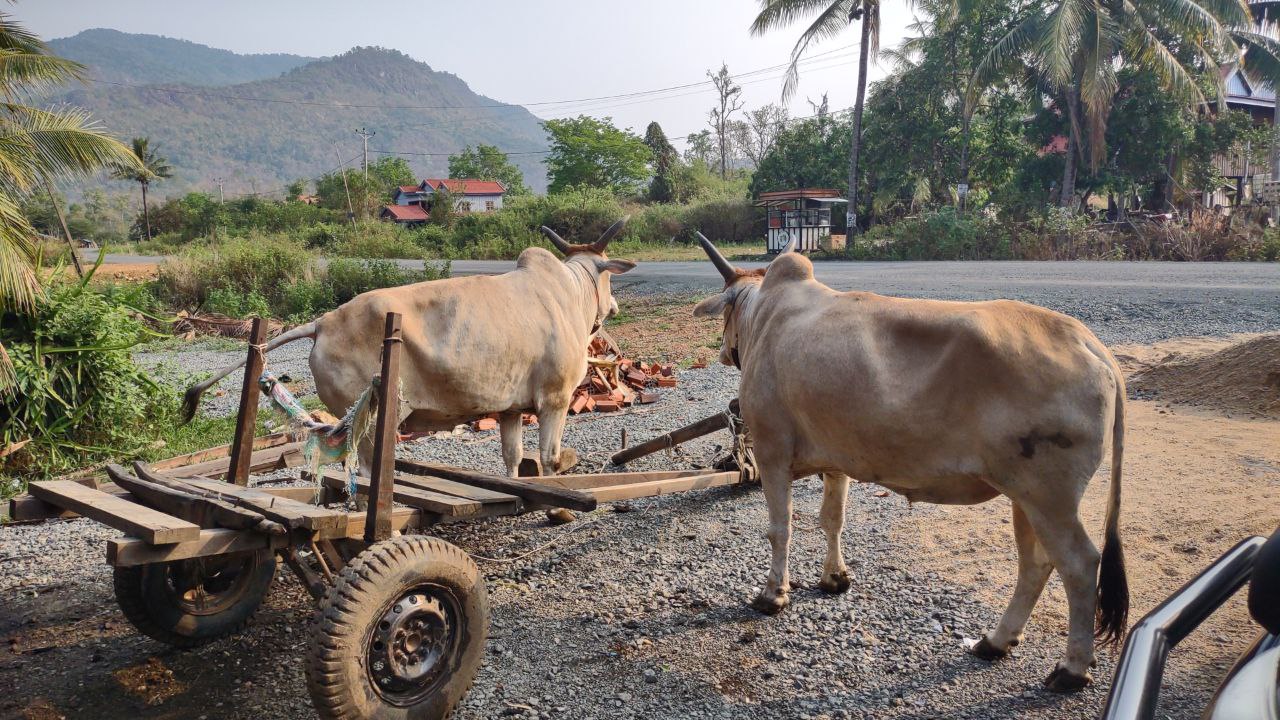
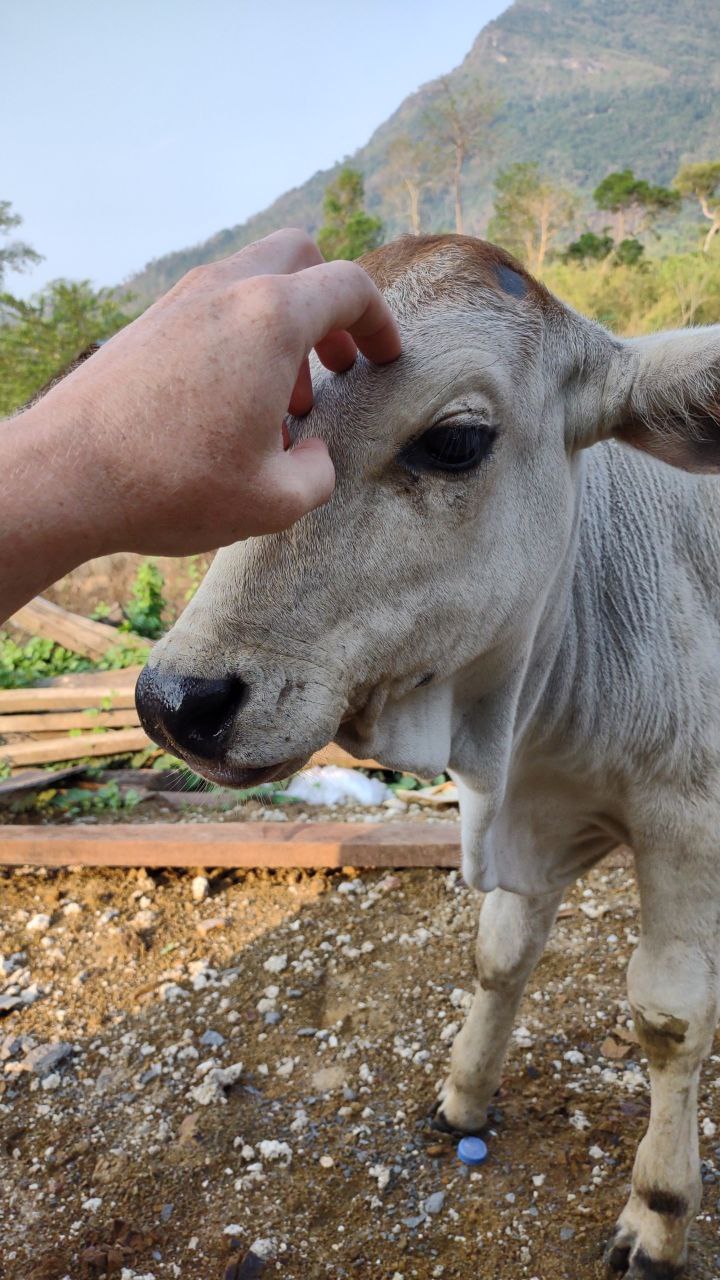
15 / 15 cows placed — target achieved
Technical Documentation
Breed selection, veterinary care, placement criteria, breeding cycles, and family training protocols.
Download Technical Proposal (PDF) ↓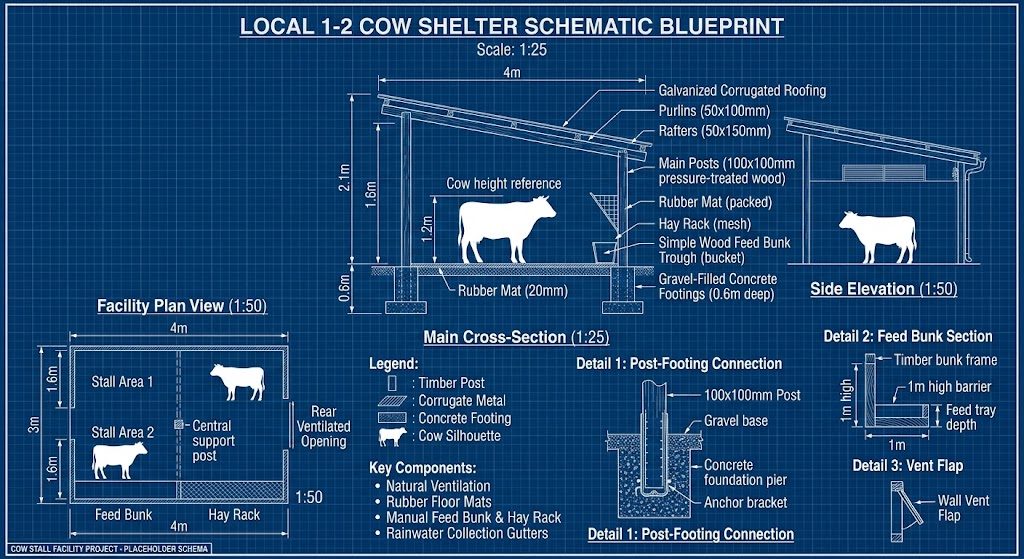
Phnom Samkos Cow Expansion
Phnom Samkos Wildlife Sanctuary • Awaiting Funding
Status
Waiting Funding
Investment
$400-600 per cow
How it works
Same proven model as the existing cow program — female cows placed with single mothers and women-led families in the Phnom Samkos Wildlife Sanctuary area. Each cow provides dairy, calves, and manure. GSO provides veterinary support and training.
Why these families
50 families in the Phnom Samkos area are facing economic pressure that drives forest encroachment to support themselves. A cow or two gives them a sustainable alternative — dairy, income, and fertilizer without cutting trees. Priority to single mothers, elderly women caring for abandoned grandchildren, and families most vulnerable to economic pressure.
Market demand
Beef sells for $5-7/kg live weight, $10-14/kg as meat. Dairy demand exceeds supply. Calves generate $200-400 at 12-18 months. Demand for breeding stock from neighboring communities consistently outpaces supply.
Threats addressed
Who benefits
50 women-headed families facing economic pressure that drives forest encroachment — waiting for cows as sustainable livelihood alternative. Single mothers, elderly women, families vulnerable to economic pressure. Needs assessed as they arise, prioritized using UN SDG criteria.
Project photos
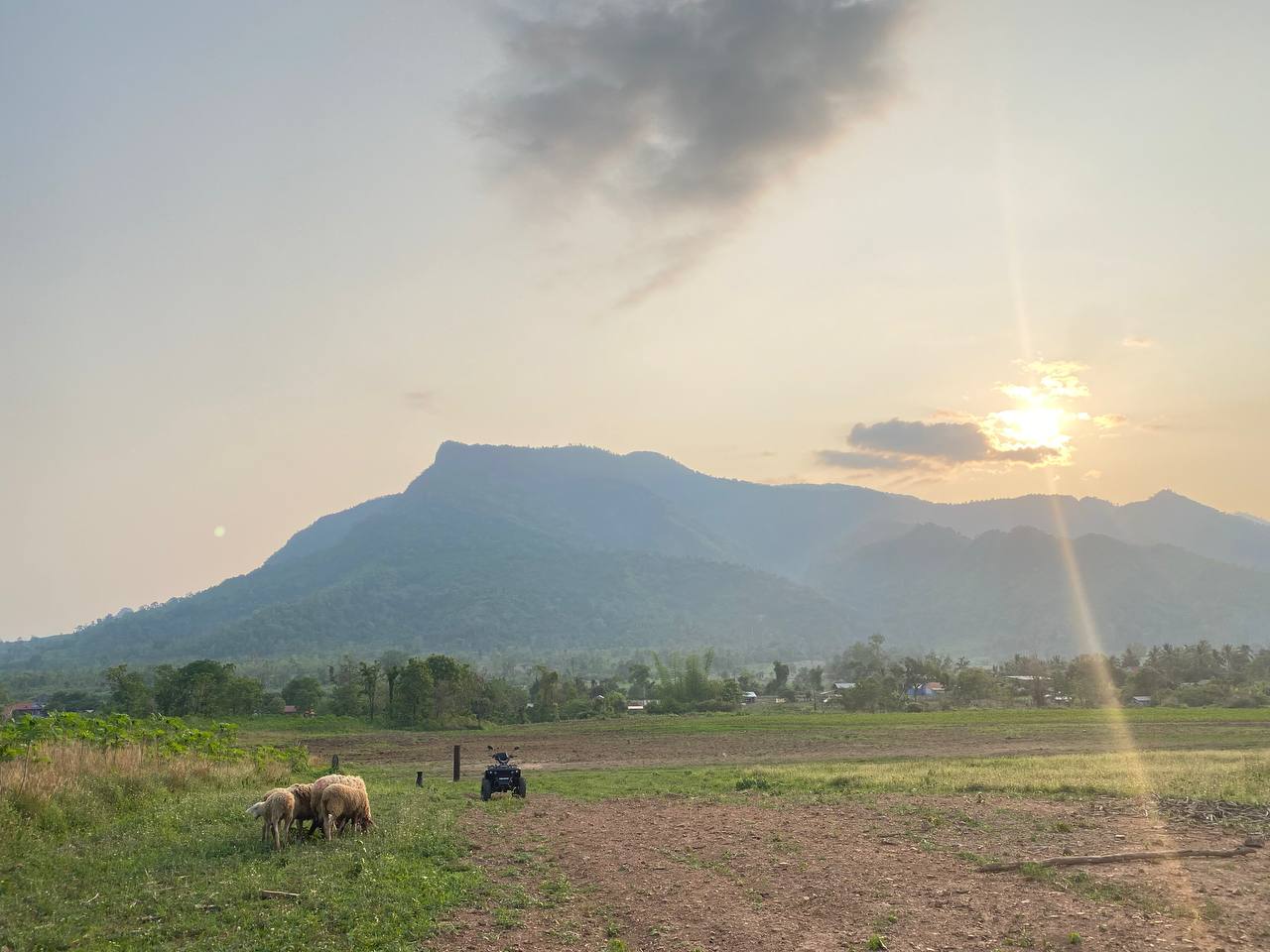
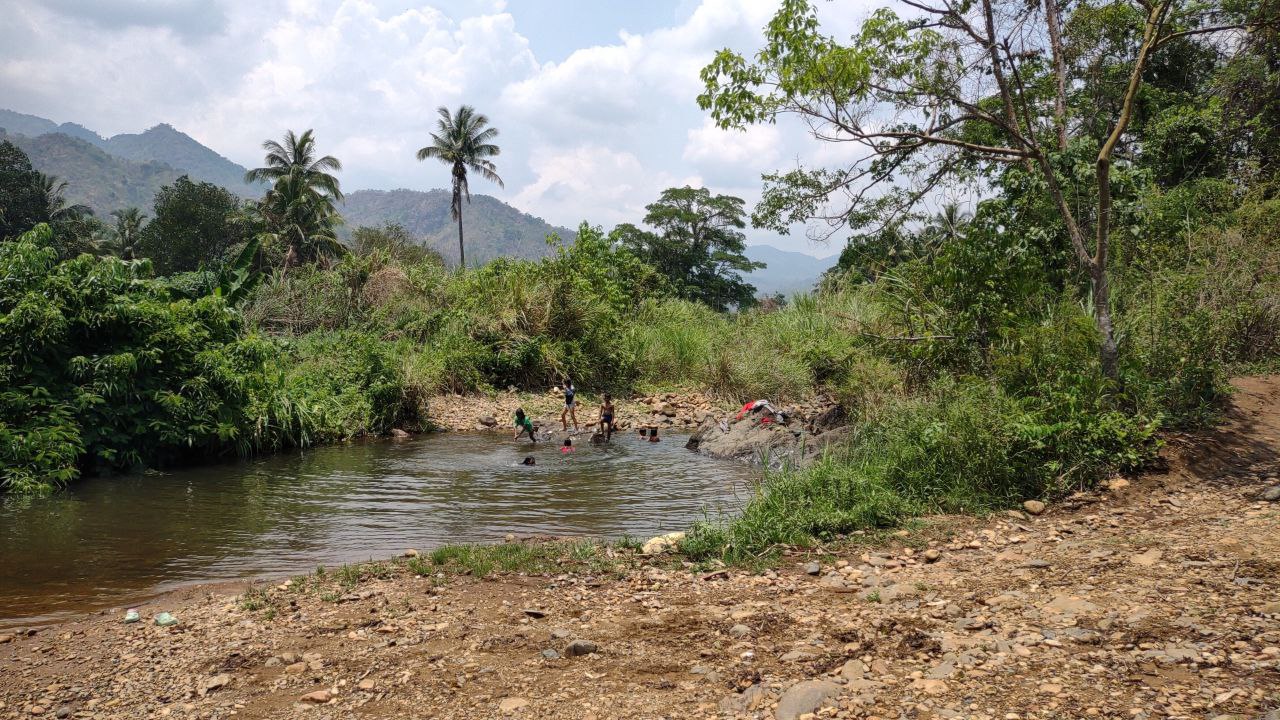
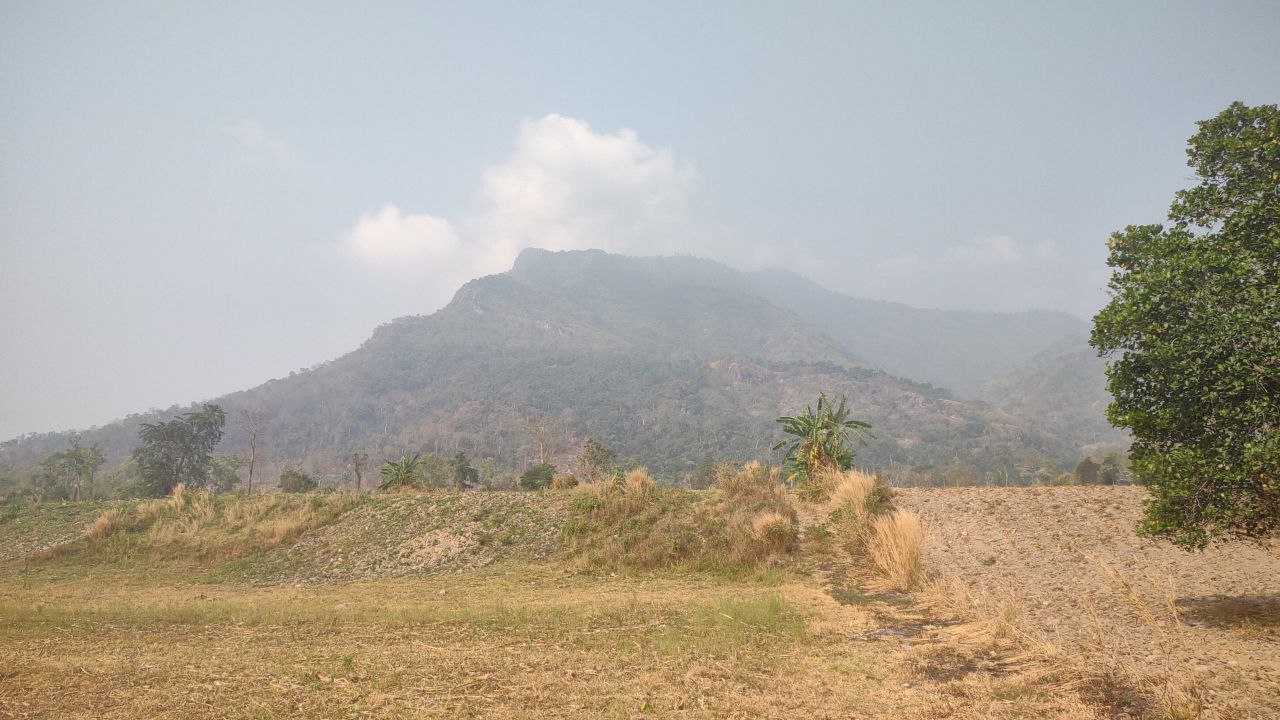
50 families waiting — $400-600 per cow
Technical Documentation
Breed selection, veterinary care, placement criteria, breeding cycles, and family training protocols for the Phnom Samkos expansion.
Download Technical Proposal (PDF) ↓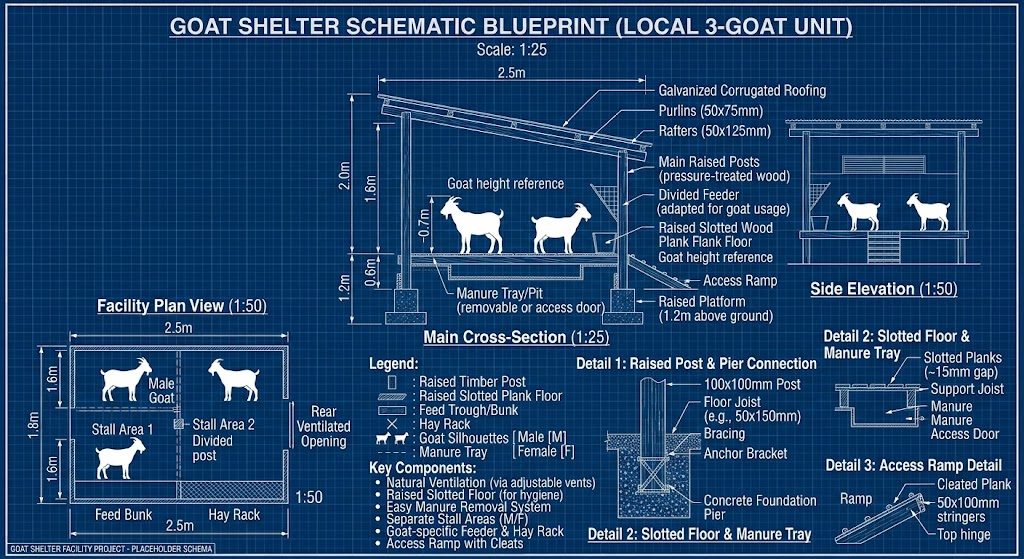
Phnom Samkos Goat Expansion
Phnom Samkos Wildlife Sanctuary • Awaiting Funding
Status
Waiting Funding
Investment
$150-250 per goat
How it works
Same proven model as the existing goat enterprise — female goats placed with single mothers and women-led families in the Phnom Samkos Wildlife Sanctuary area. Each goat provides dairy, kids, and manure. GSO provides veterinary support and training. The goat enterprise has been running since 2023 with 20+ families across 4 villages.
Why these families
Families in the Phnom Samkos area facing economic pressure that drives forest encroachment to support themselves. Goats give them a sustainable alternative — dairy, income, and fertilizer without cutting trees. Priority to single mothers, elderly women caring for abandoned grandchildren, and families most vulnerable to economic pressure.
Market demand
Goat meat sells for $5-8/kg live weight. Dairy demand exceeds supply. Kids generate $80-150 at 6-12 months. Demand for breeding stock from neighboring communities consistently outpaces supply. Goat manure is a premium organic fertilizer.
Threats addressed
Who benefits
Families facing economic pressure that drives forest encroachment — waiting for goats as sustainable livelihood alternative. Single mothers, elderly women, families vulnerable to economic pressure. Needs assessed as they arise, prioritized using UN SDG criteria.
Families waiting — $150-250 per goat
Phnom Samkos Sheep Pilot
Phnom Samkos Wildlife Sanctuary • Pilot Complete
Status
Completed
Investment
$100-200 per sheep
How it works
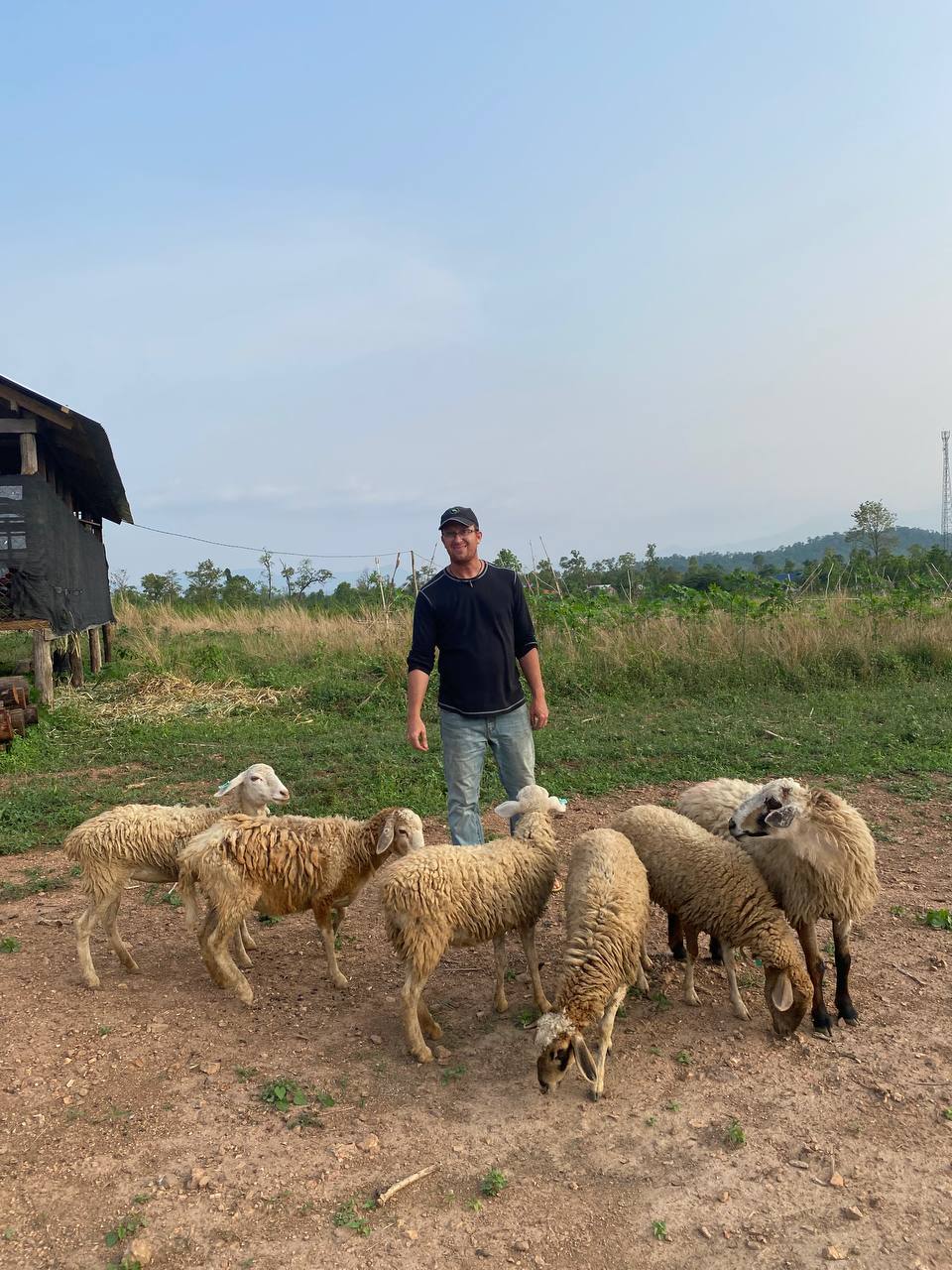
Sheep placed with 10 families in the Phnom Samkos area as an alternative livestock option. Pilot evaluated performance against goats, cows, and aquaculture to determine best fit for different family situations.
Results
Sheep thrive in areas where goats may overgraze
Easier for elderly or disabled family members to manage
Wool provides additional income stream not available from goats
Comparison to other livestock
vs Goats: Sheep require less grazing space, produce wool, but slower reproduction rate
vs Cows: Lower cost, easier to manage, but less dairy and smaller calves
Best fit: Elderly caregivers, families with limited land, those needing low-maintenance livestock
Who benefits
Elderly caregivers and families with limited land — particularly women caring for grandchildren. Sheep provide low-maintenance livestock option for those unable to manage larger animals. Needs assessed as they arise, prioritized using UN SDG criteria.
Priority criteria: Single mothers, elderly women caring for grandchildren abandoned with them, and families most vulnerable to economic pressure that drives forest encroachment.
Market demand
Mutton sells for $8-12/kg in Cambodian markets — one of the highest-priced meats. Wool can be sold locally or processed into textiles. Limited supply in rural areas means early entrants capture premium pricing.
Threats addressed
Pilot complete — recommending selective expansion
Technical Documentation
Download Technical Proposal (PDF) ↓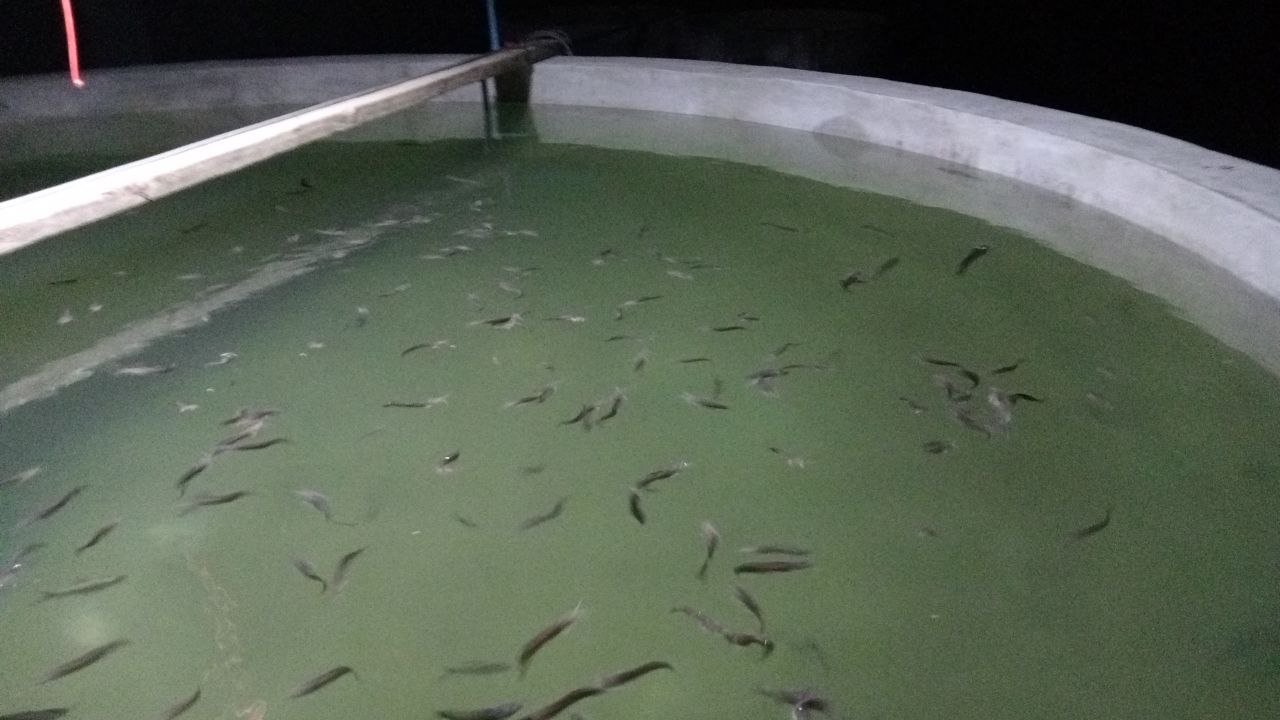
Solar Aquaculture
Phnom Samkos Wildlife Sanctuary • Running since 2020
Status
Waiting Funding
Investment
$2,500 per family
How it works
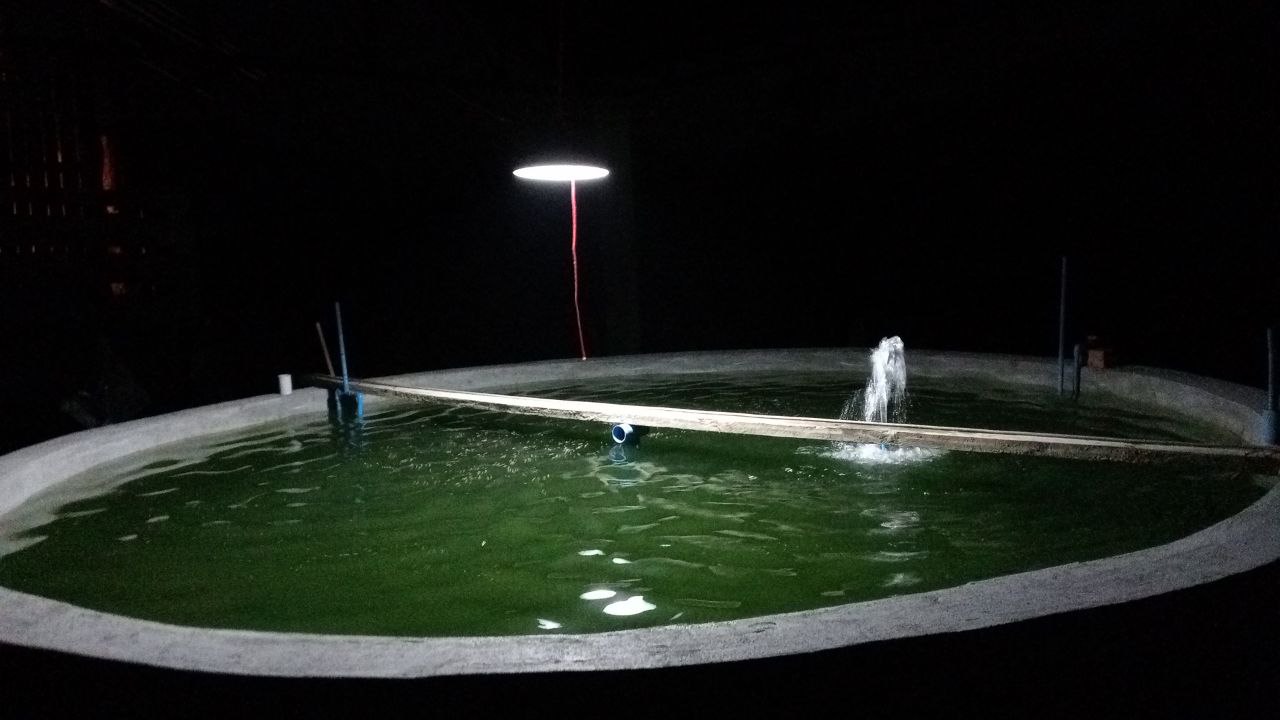
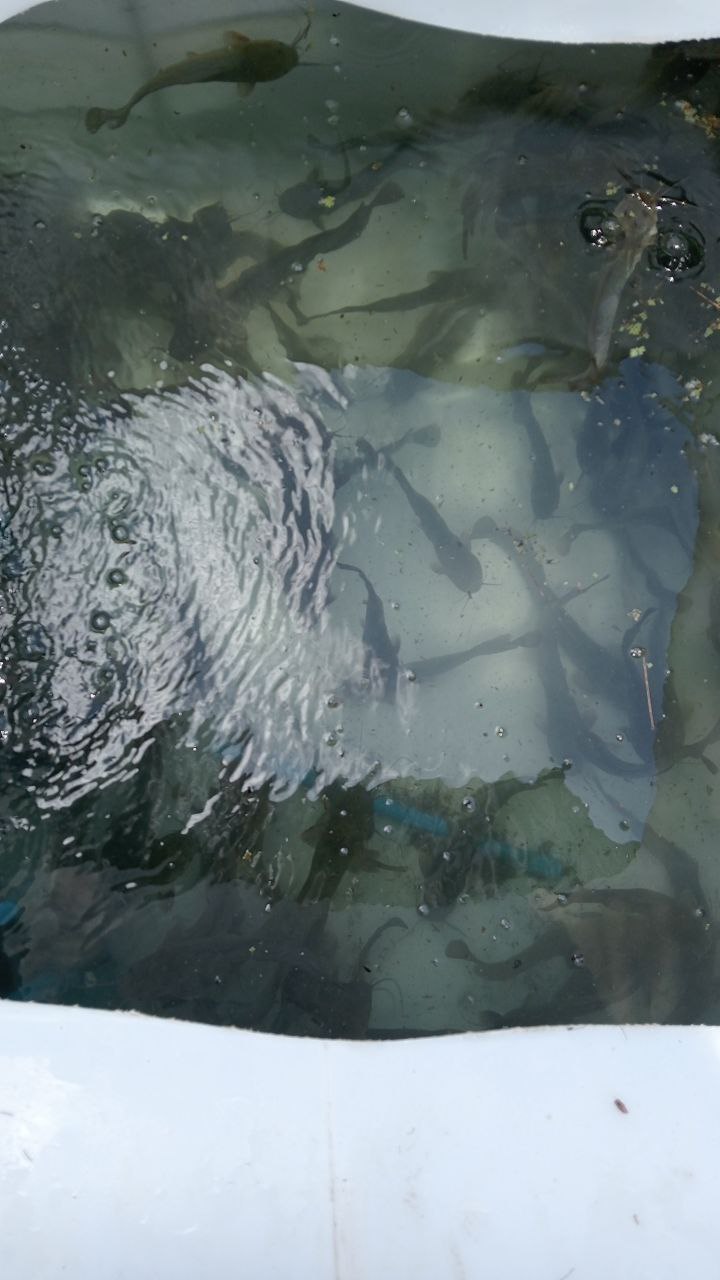
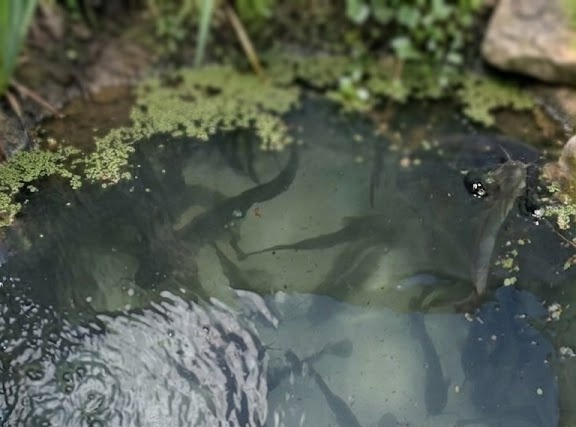
Solar-powered pumps, venturi aeration, UV lights that attract insects as free feed. Catfish — not tilapia — for 3–4 month grow-out with zero power bill. Fish waste water feeds directly into planting test beds. Above-ground tanks are a single investment — in-ground ponds are susceptible to flooding, predation, and total loss.
Results
Input costs cut 50% with solar UV insect attraction
Catfish outperform tilapia on growth, disease resistance, diet flexibility
Families actively requesting more catfish — white meat preferred over grey alternatives
Who benefits
Subsistence farming families with no reliable protein source. Solar-powered system eliminates electricity costs — zero power bill. Closed-loop design feeds fish waste into vegetable crops. Needs assessed as they arise, prioritized using UN SDG criteria.
Priority criteria: Single mothers, elderly women caring for grandchildren abandoned with them, and families most vulnerable to economic pressure that drives forest encroachment.
Threats addressed
Model proven — ready to scale
Technical Documentation
Tank specifications, solar pump sizing, UV lighting setup, aeration systems, and water quality protocols.
Download Technical Spec (PDF) ↓Project photos
Hydroponics → Aquaponics
Phnom Samkos Wildlife Sanctuary • Companion to Solar-Powered Aquaculture
Status
Active
Investment
$2,500 per family
Project overview
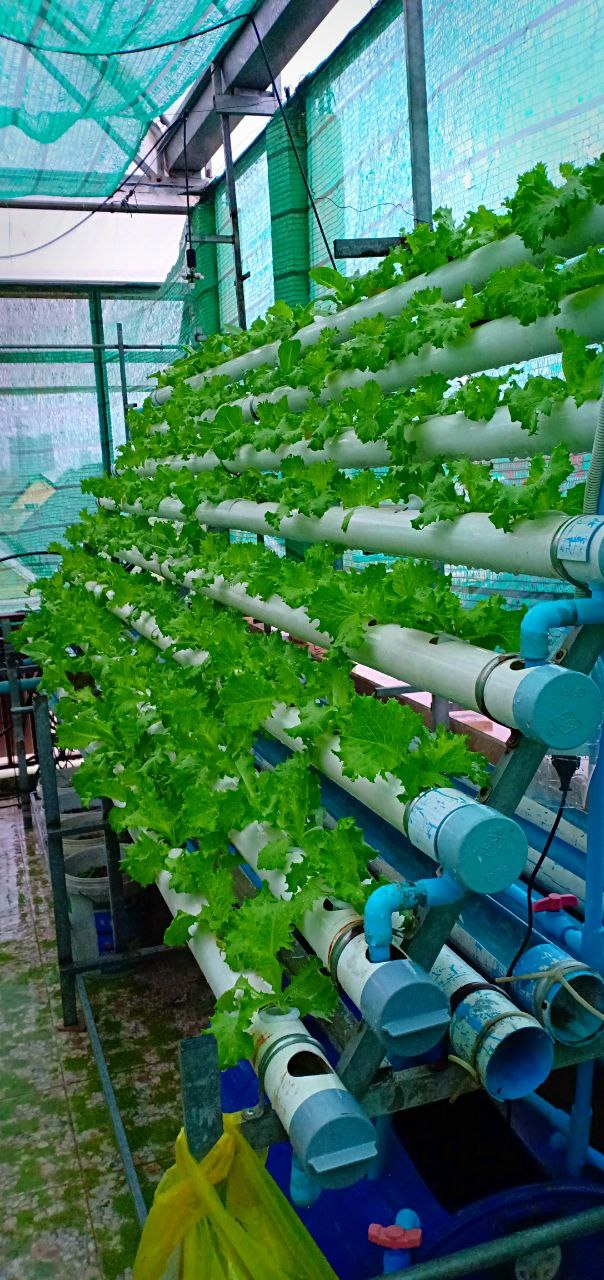
After the Solar-Powered Aquaculture tanks are deployed and stable, Phase 2 converts the system to full aquaponics: fish waste feeds the plants, plants filter the water. A closed-loop system that produces both protein and vegetables with minimal input costs. As a standalone initiative, hydroponics is secondary — it requires ongoing inputs such as hydroponic nutrient solution. Aquaponics eliminates that dependency by using fish waste as natural fertilizer.
Why this matters
81% of community-zone soil in Phnom Samkos is low productivity. Hydroponics and aquaponics bypass soil entirely — families can grow fresh vegetables year-round regardless of soil quality, seasonal flooding, or drought. Combined with fish protein from aquaculture tanks, this creates complete food security from a single compact system.
Phase 1: Hydroponics (current)
Seedling production in nutrient-film technique (NFT) channels
Testing crop varieties: leafy greens, herbs, chili, tomatoes
Training community members in system setup and maintenance
Phase 2: Aquaponics (after aquaculture tanks stable)
Integrate fish tanks (catfish or tilapia) with hydroponic beds
Fish waste becomes natural fertilizer — eliminates chemical nutrient costs
Dual output: fresh vegetables + fish protein from one system
Produces fingerlings to stock other project aquaculture tanks (1:1 model)
Who benefits
Families with limited arable land in the Phnom Samkos buffer zone. Soil-independent growing means even households with degraded or no garden land can produce fresh food year-round.
Project photos
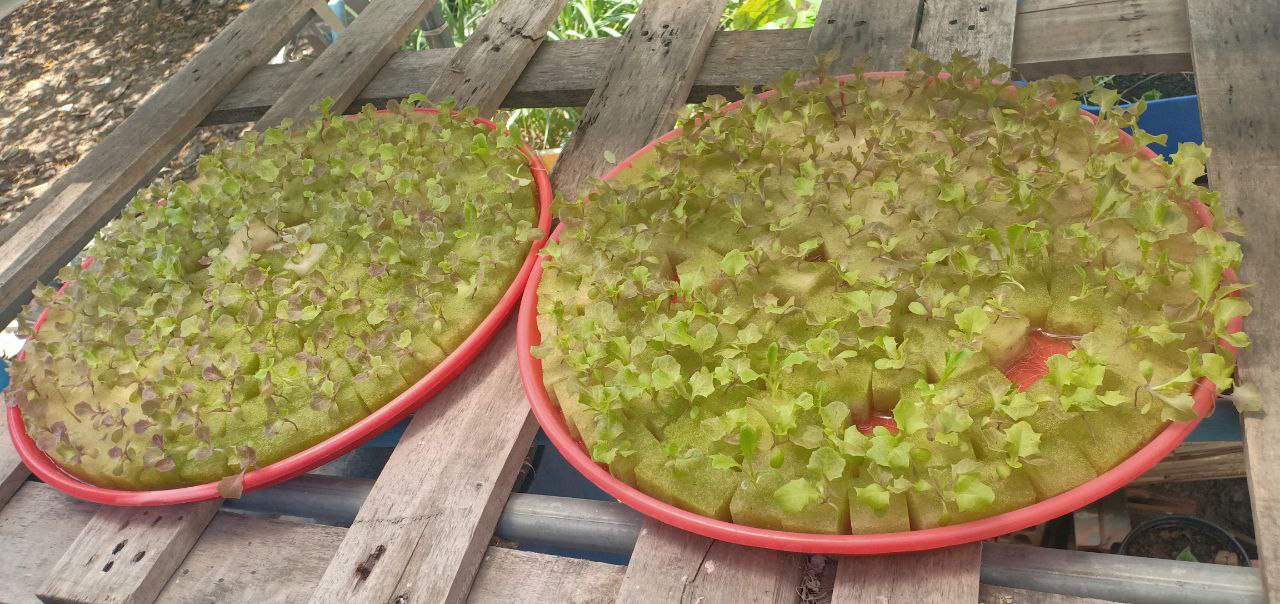
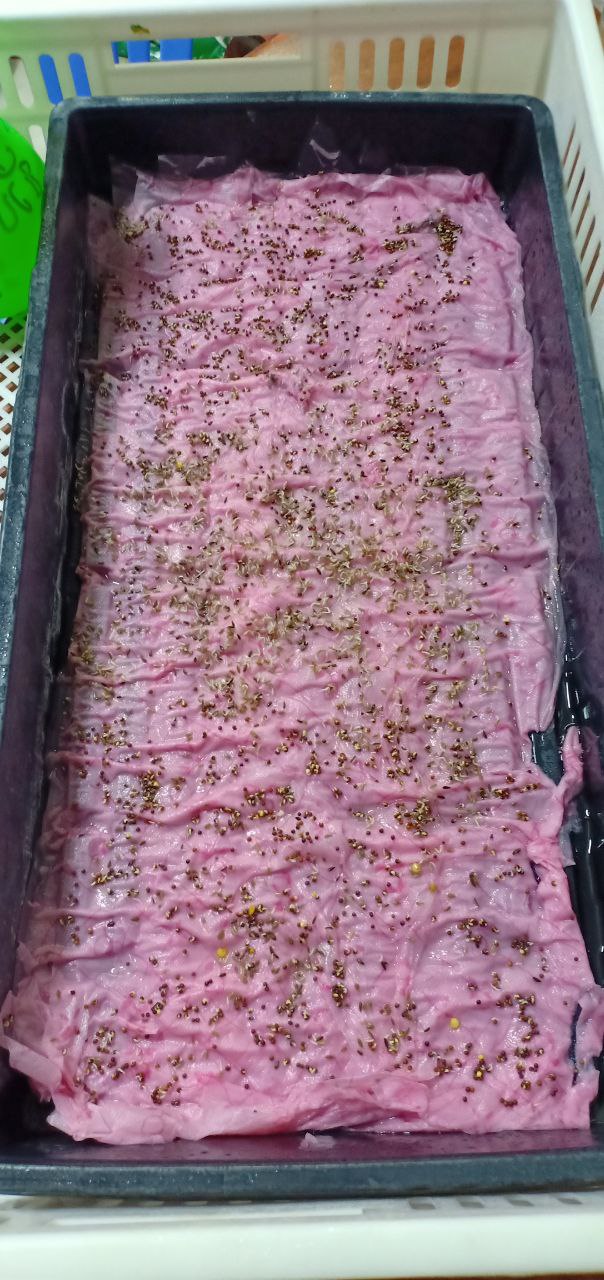
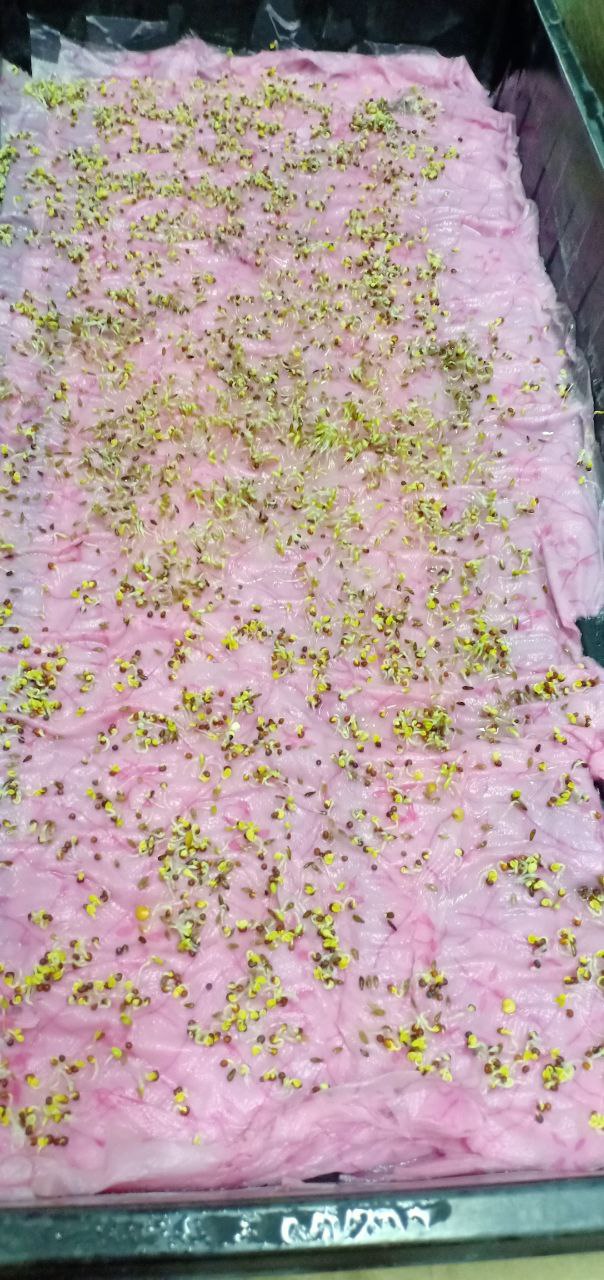
Hydroponic pilot running — aquaponics conversion after aquaculture tanks are deployed and stable
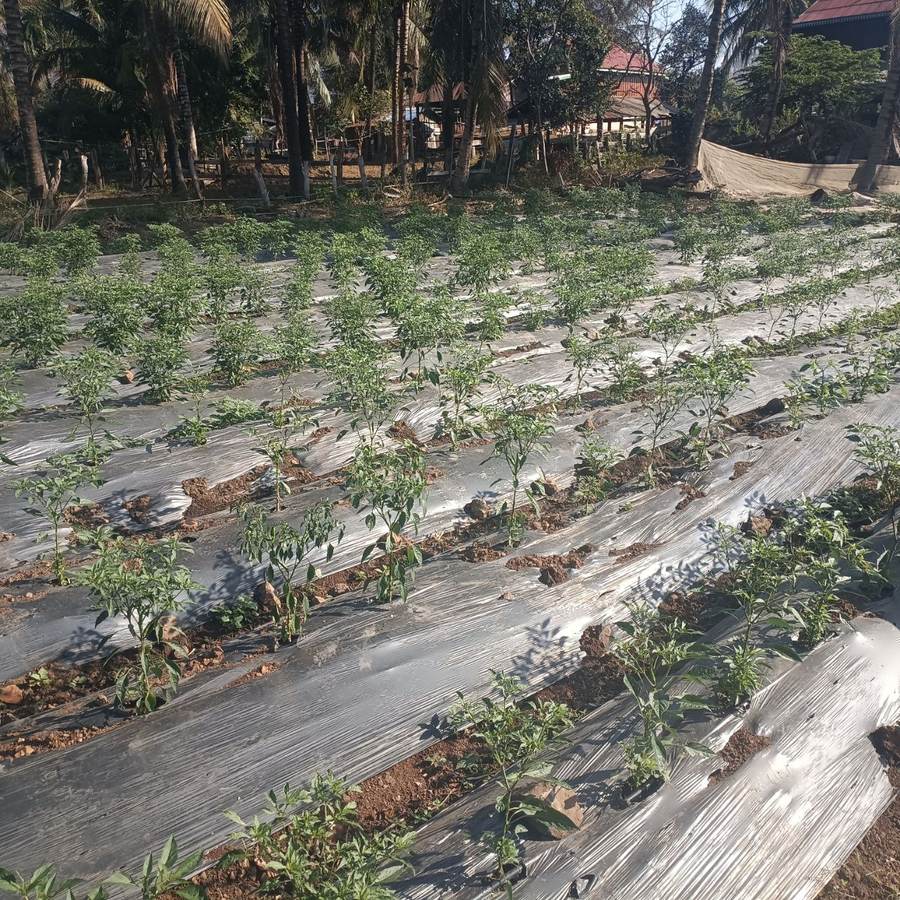
Hot Pepper Enterprise
Phnom Samkos Wildlife Sanctuary • Running since 2023
Status
Pilot Completed, Waiting Funding
Investment
$1,500 per family
How it works
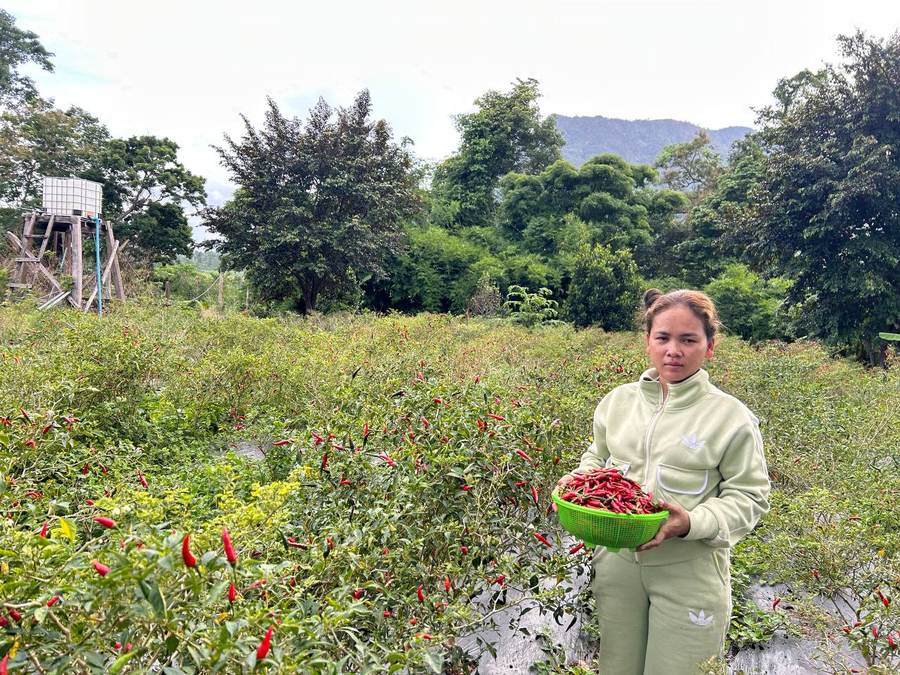
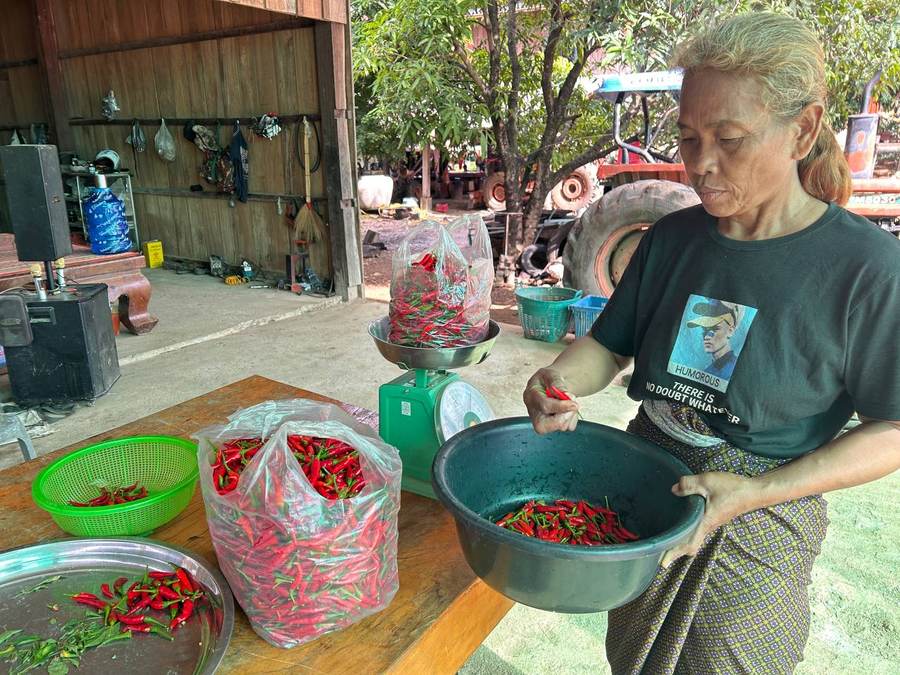
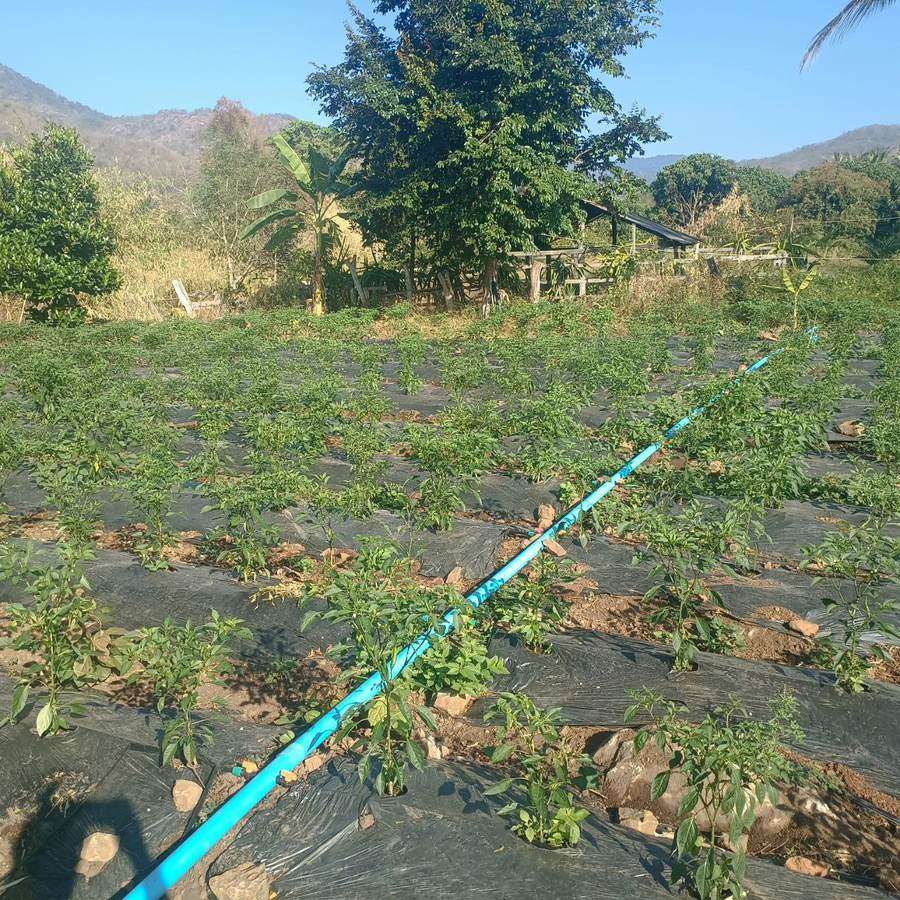
Families grow hot peppers using goat waste as fertilizer — closing the loop from the goat enterprise. Peppers are grown organically with zero chemical inputs, dried locally, and sold at village and provincial markets. GSO provides seeds, training, and market access.
Results
Goat waste used as fertilizer — zero additional input cost
Organic peppers command premium pricing at market
Secondary income stream from goat enterprise families
Who benefits
Goat enterprise families — secondary income stream from existing livestock. Organic farming eliminates chemical health risks for families and environment. Closed-loop system with zero input costs. Needs assessed as they arise, prioritized using UN SDG criteria.
Priority criteria: Single mothers, elderly women caring for grandchildren abandoned with them, and families most vulnerable to economic pressure that drives forest encroachment.
Market demand
Dried hot peppers sell for $2-4/kg at local markets, with premium pricing for organic product. Demand is consistent year-round — peppers are a staple in Cambodian cuisine. Families with goat enterprises have built-in fertilizer supply, creating a closed-loop system that reduces input costs to near zero.
Threats addressed
Scaling with goat enterprise expansion
Technical Documentation
Download Technical Proposal (PDF) ↓Project photos
Cham Minority Shade House Project
Chankiek Village, Kampong Chhnang • Completed
Status
Completed
Investment
$2,500 per family
How it works
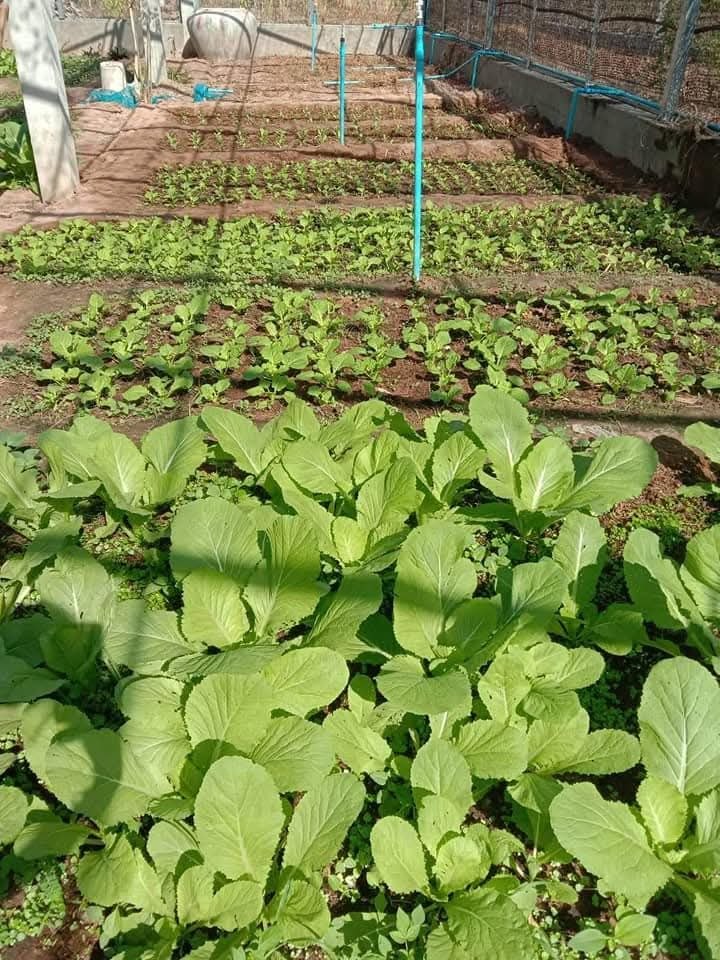
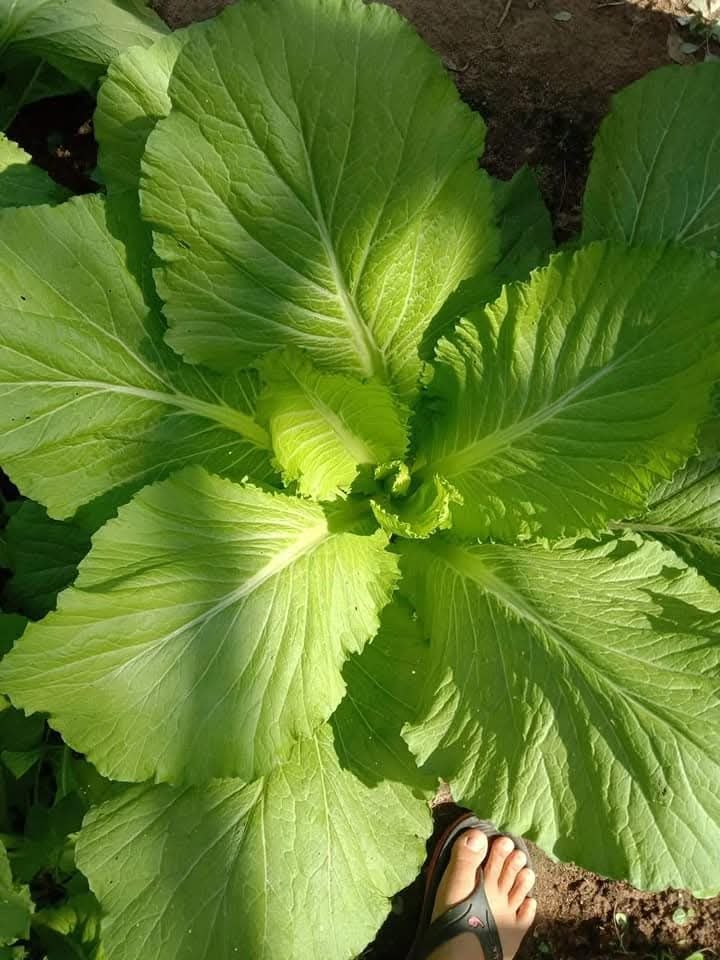
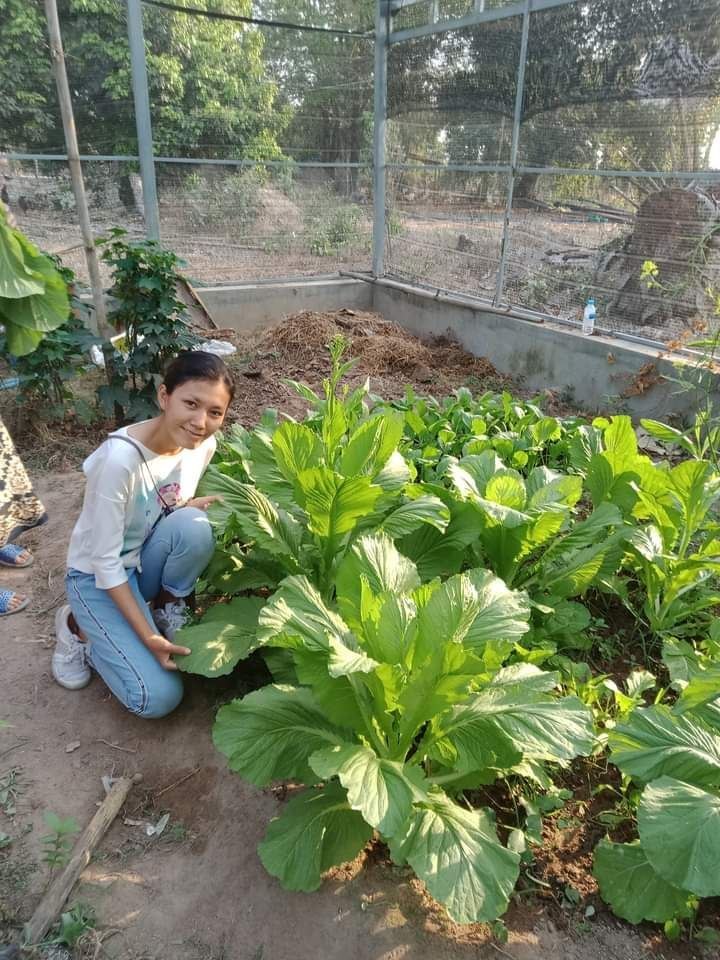
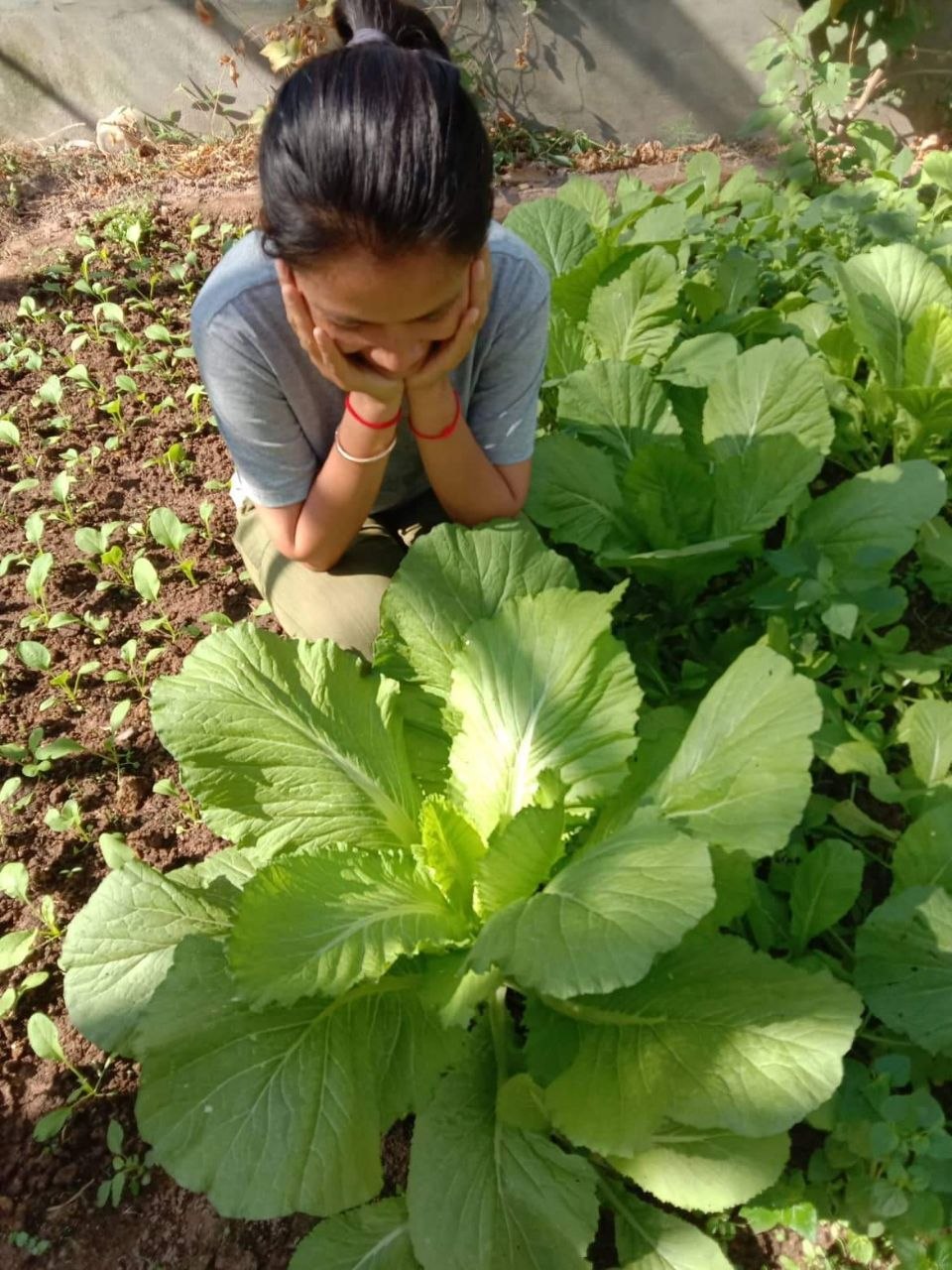
Cambodia doesn't have too little sun — it has too much. Shade houses reduce light intensity and heat stress, creating ideal conditions for leafy organic greens that would otherwise bolt or burn. Built with locally sourced materials and shaded with netting. Goat manure from the goat enterprise is used as fertilizer — closing the loop between projects.
Results
Leafy greens grown year-round regardless of season
No pests — shade netting excludes insects without chemicals
Zero chemical inputs — organic goat manure fertilizer from goat enterprise
Who benefits
Families in Chankiek Village — Cham ethnic minority community. Zero-chemical approach protects family health. Year-round vegetable production eliminates seasonal food insecurity. Needs assessed as they arise, prioritized using UN SDG criteria.
Priority criteria: Single mothers, elderly women caring for grandchildren abandoned with them, and families most vulnerable to economic pressure that drives forest encroachment.
Market demand
Fresh leafy greens during dry season command 2-3x normal pricing. Organic produce commands premium rates at markets and restaurants in provincial towns. Families report 40-60% increase in vegetable income compared to seasonal farming alone. Shade houses produce consistent, high-quality greens that open-air farming cannot match in Cambodia's extreme heat.
Project photos
Threats addressed
Project completed
Technical Documentation
Download Technical Proposal (PDF) ↓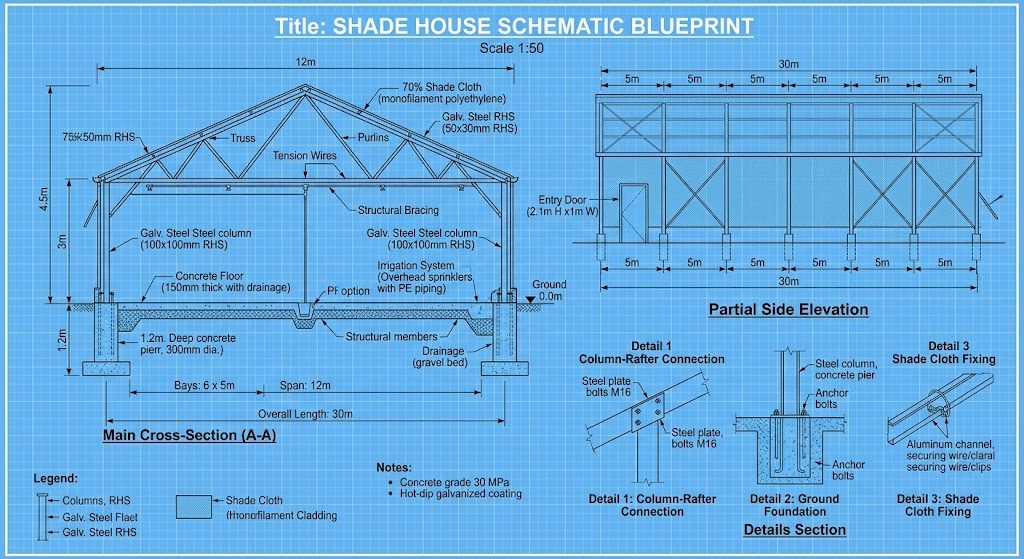
Phnom Samkos Wildlife Sanctuary Shade House Expansion
Phnom Samkos Wildlife Sanctuary • Awaiting Funding
Status
Waiting Funding
Investment
$2,500 per family
How it works
Expanding the proven shade house model to additional villages surrounding the Phnom Samkos Wildlife Sanctuary. Each new shade house provides year-round organic vegetable production, reducing food insecurity and providing secondary income streams for families currently dependent on forest encroachment.
Results
Leafy greens grown year-round regardless of season
No pests — shade netting excludes insects without chemicals
Zero chemical inputs — organic goat manure fertilizer from goat enterprise
Who benefits
Families in villages surrounding the Phnom Samkos Wildlife Sanctuary. Zero-chemical approach protects family health. Year-round vegetable production eliminates seasonal food insecurity. Needs assessed as they arise, prioritized using UN SDG criteria.
Priority criteria: Single mothers, elderly women caring for grandchildren abandoned with them, and families most vulnerable to economic pressure that drives forest encroachment.
Market demand
Fresh leafy greens during dry season command 2-3x normal pricing. Organic produce commands premium rates at markets and restaurants in provincial towns. Shade houses produce consistent, high-quality greens that open-air farming cannot match in Cambodia's extreme heat.
Threats addressed
Awaiting funding to expand
Technical Documentation
Download Technical Proposal (PDF) ↓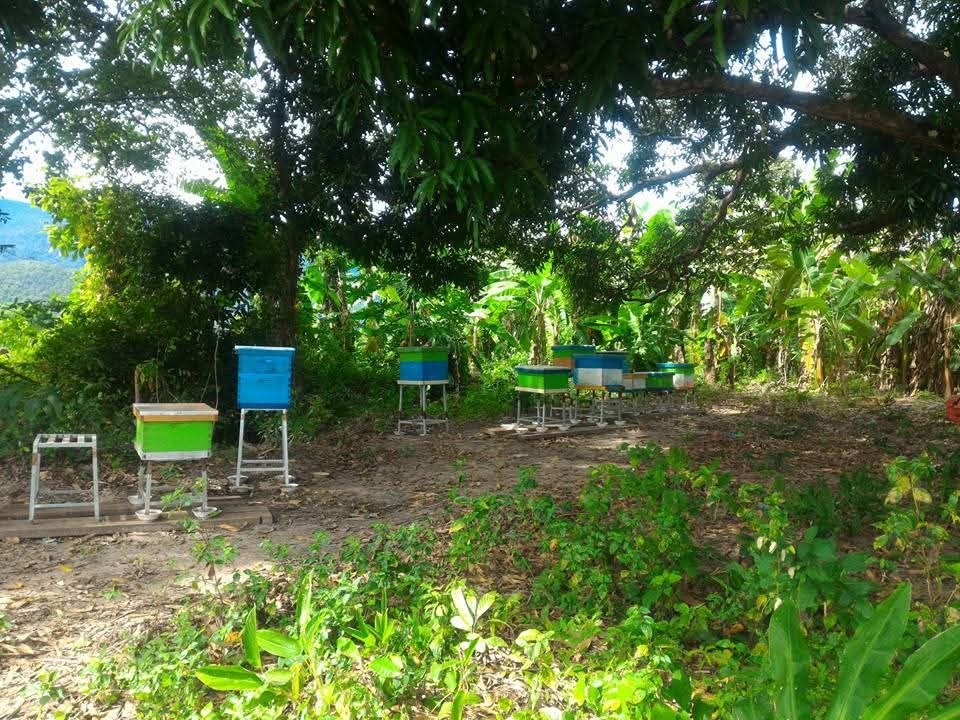
Apiculture — Sustainable Beekeeping
Phnom Samkos Wildlife Sanctuary • Pilot Complete
Status
Pilot Complete
Investment
$2,300
How it works
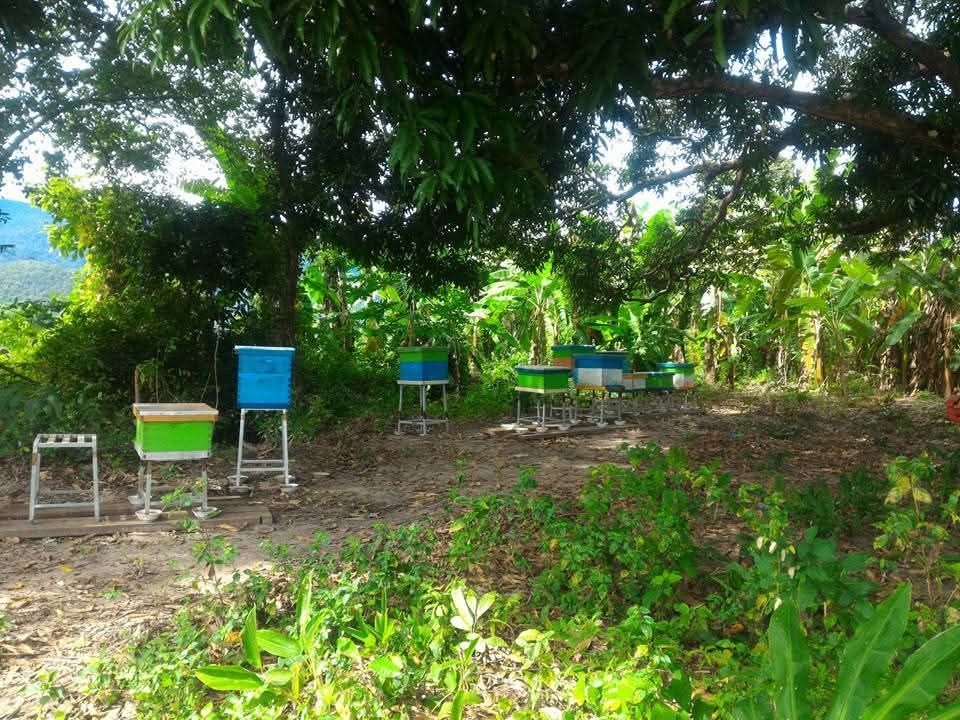
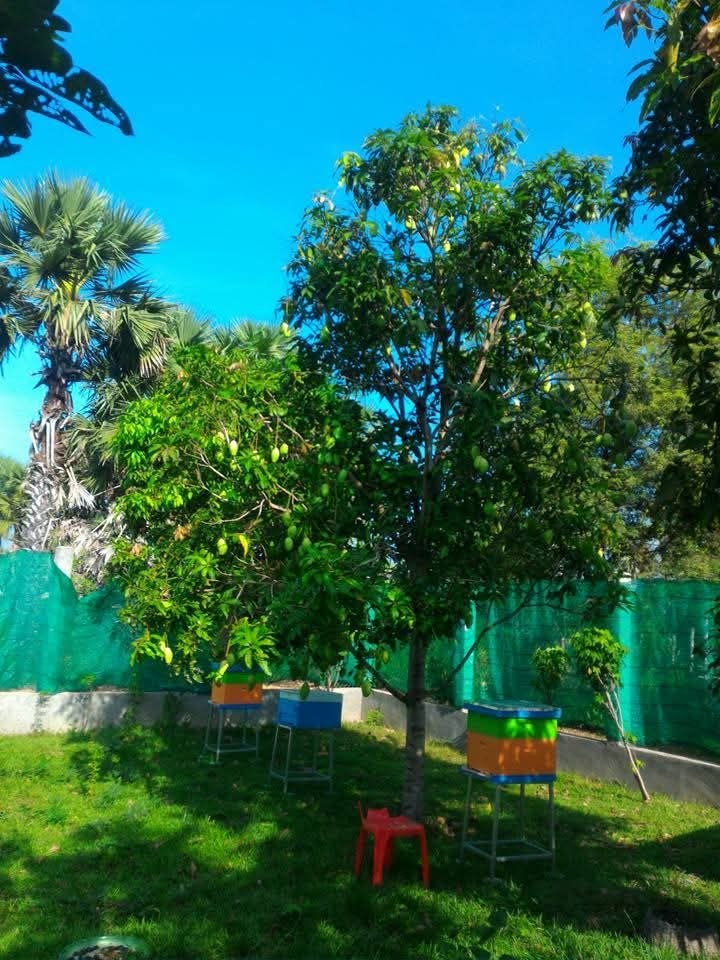
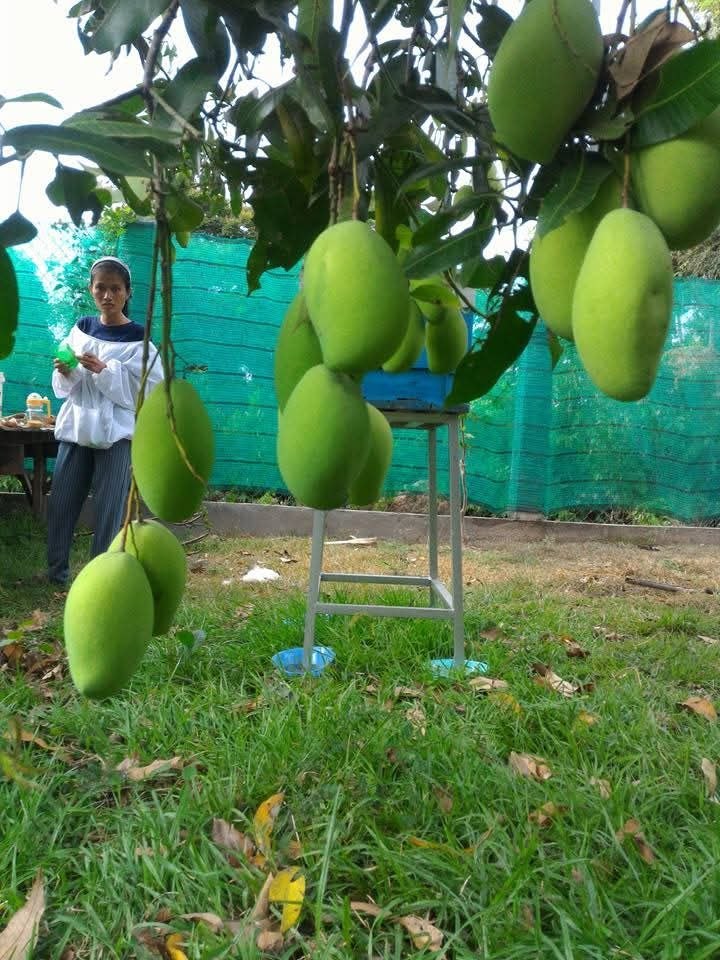
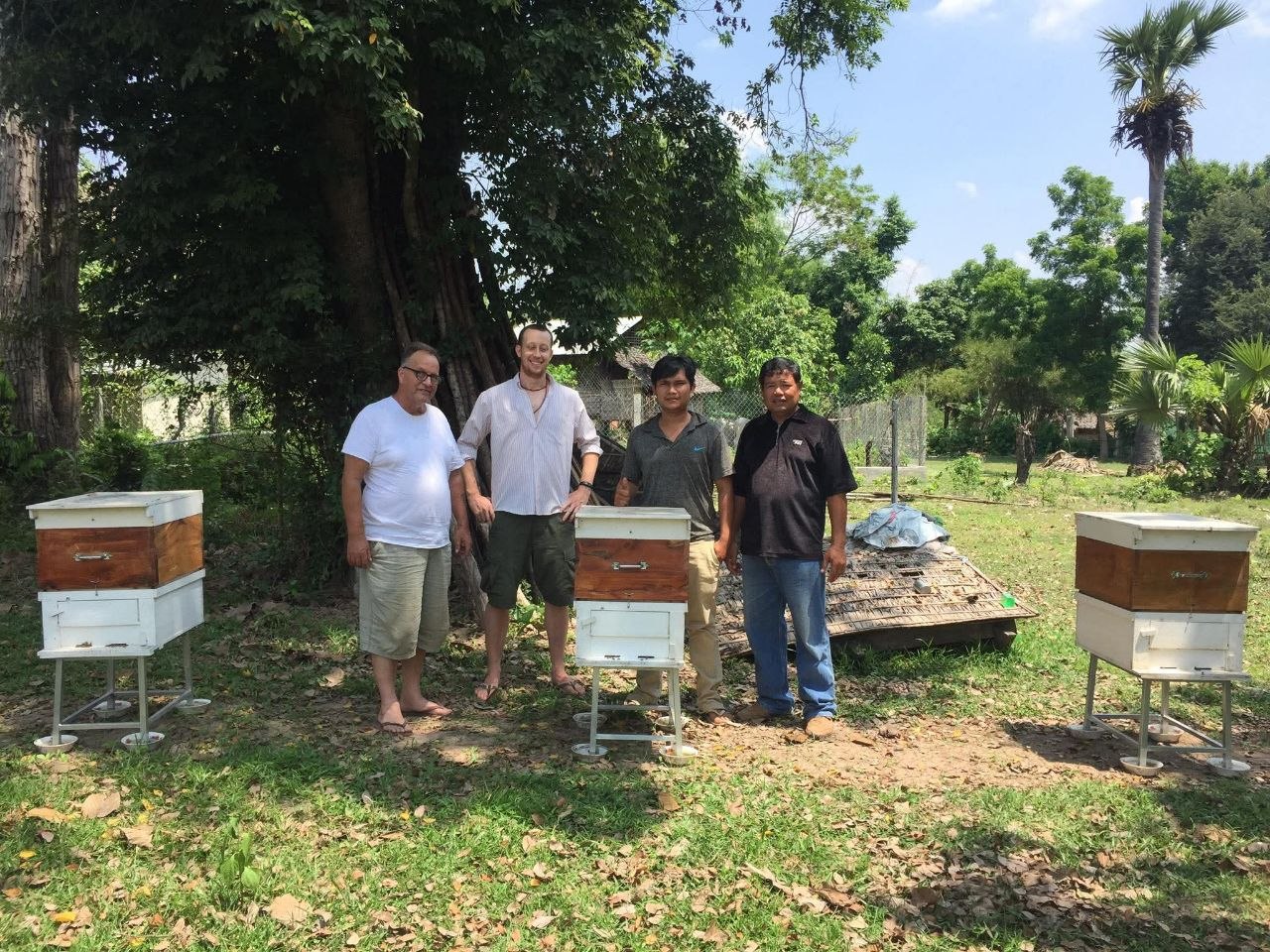
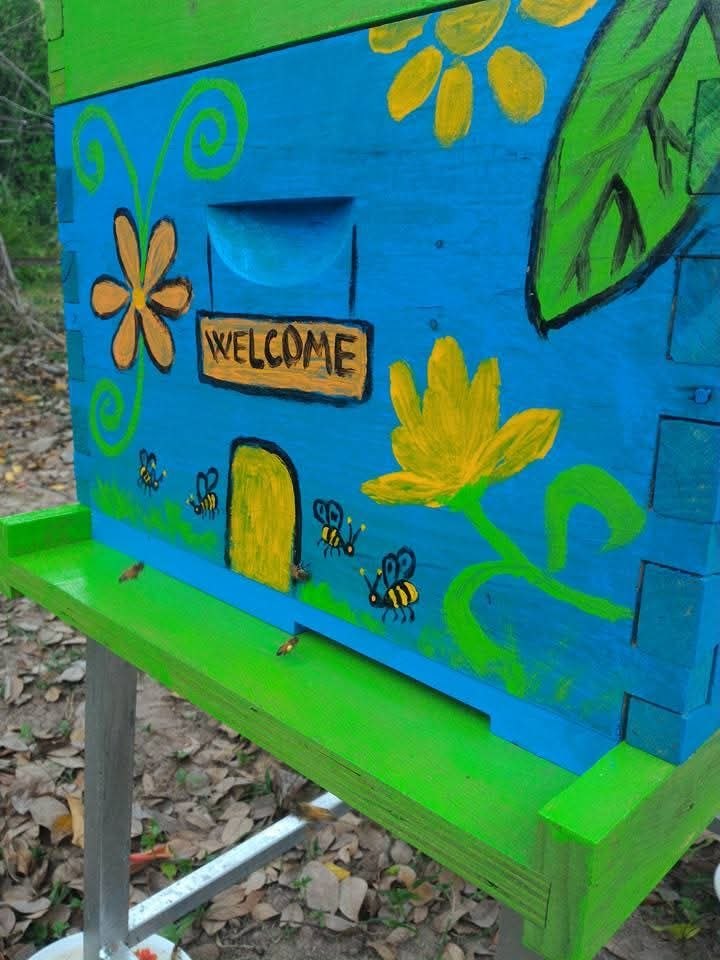
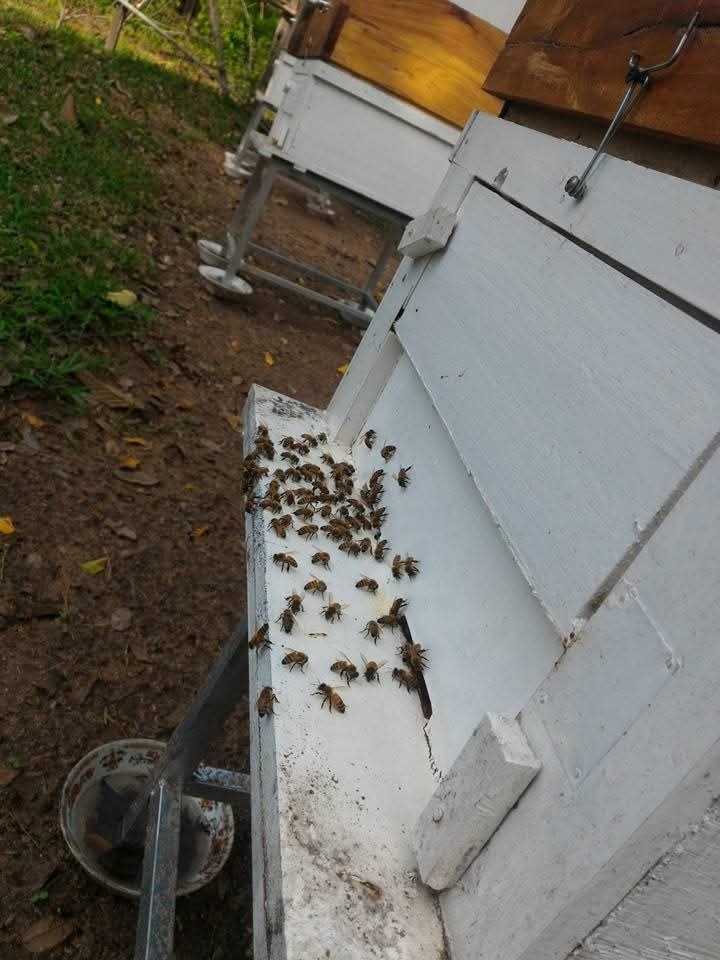
Sustainable beehives placed in the Phnom Samkos Wildlife Sanctuary — where the bee population remains strong and resilient despite high pesticide use in surrounding areas. The project encourages a switch from harvesting wild honey (which stresses the ecosystem) to harvesting sustainable farmed honey.
Why Phnom Samkos
Bees thrive in the Phnom Samkos Wildlife Sanctuary even though there is high pesticide use in surrounding agricultural areas. The sanctuary's intact forest provides sufficient natural forage to support strong, healthy bee colonies. Wild honey harvesting disrupts native bee populations — sustainable hives provide an alternative that protects the ecosystem.
Pilot results — Chankiek
Chankiek pilot proved the environment was unsuitable for beekeeping — lack of natural plants, and highly modified areas like rice-growing regions cannot support bee projects. This confirmed that intact forest ecosystems like Phnom Samkos are essential for successful apiculture.
Who benefits
Community members living adjacent to intact forest — beekeeping provides income without forest destruction. Pollination services benefit surrounding agriculture. Pilot confirmed only intact forest ecosystems support successful apiculture. Needs assessed as they arise, prioritized using UN SDG criteria.
Priority criteria: Single mothers, elderly women caring for grandchildren abandoned with them, and families most vulnerable to economic pressure that drives forest encroachment.
Funding breakdown
20 hives × $100 = $2,000
1 set beekeeping equipment = $300
Total: $2,300
Project photos
Market demand
Raw honey sells for $8-15/kg locally, $20+/kg for organic forest honey. Wild honey is increasingly scarce due to deforestation — sustainable farmed honey fills growing market demand. Beeswax, propolis, and royal jelly provide additional high-value income streams.
Seeking $2,300 to launch 20 hives
Technical Documentation
Download Technical Proposal (PDF) ↓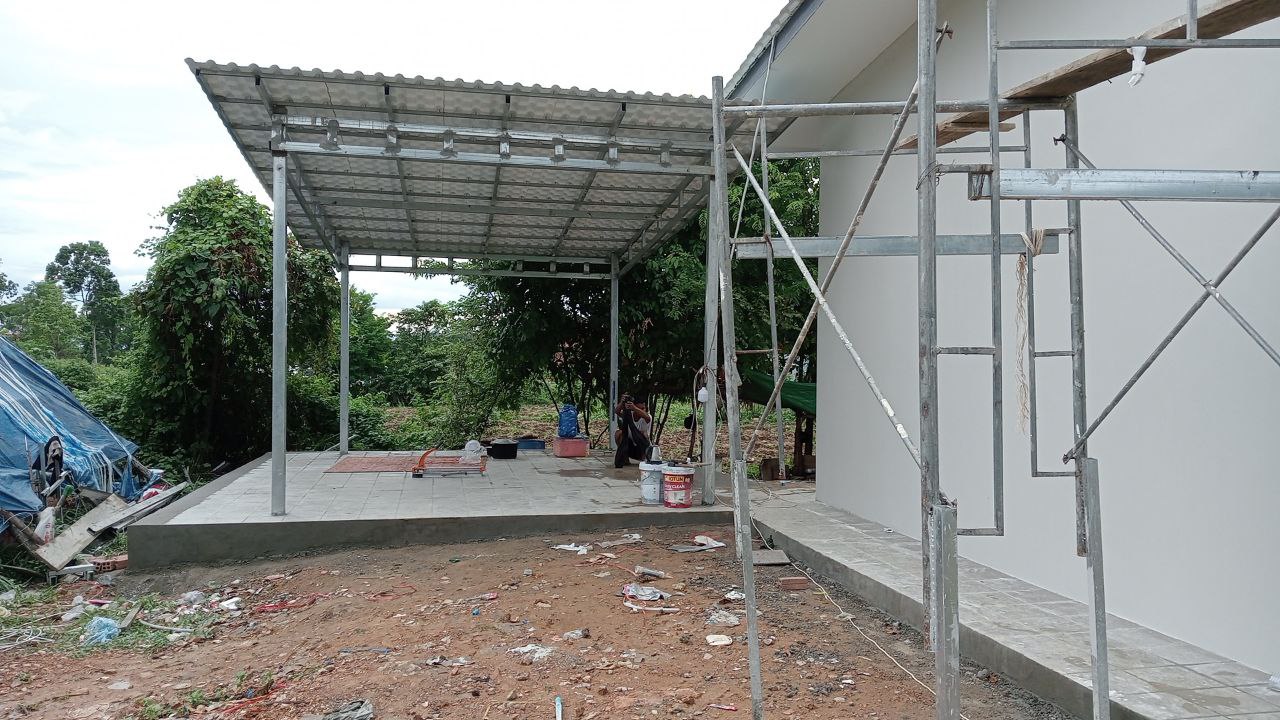
Tampor Village Community Education Hub
Tampor Village, Phnom Samkos Wildlife Sanctuary • Renovation
Status
Waiting Funding
Investment
$75,000 to complete
Project overview
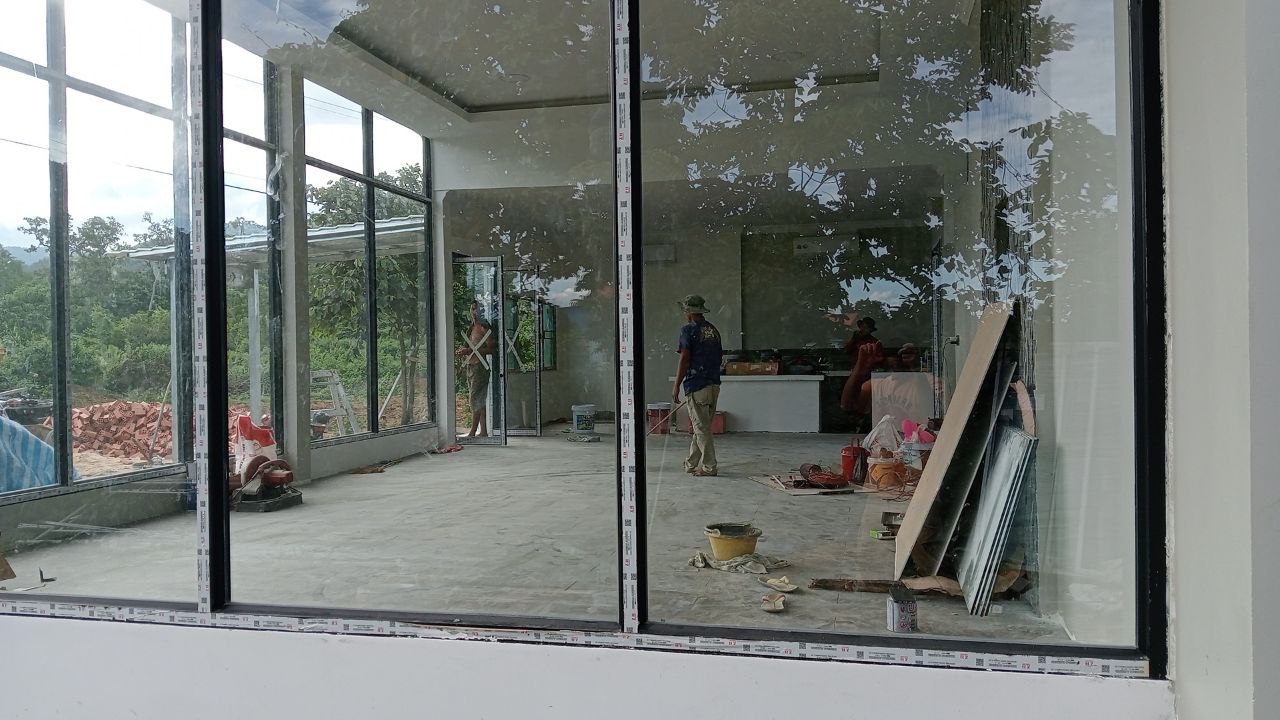
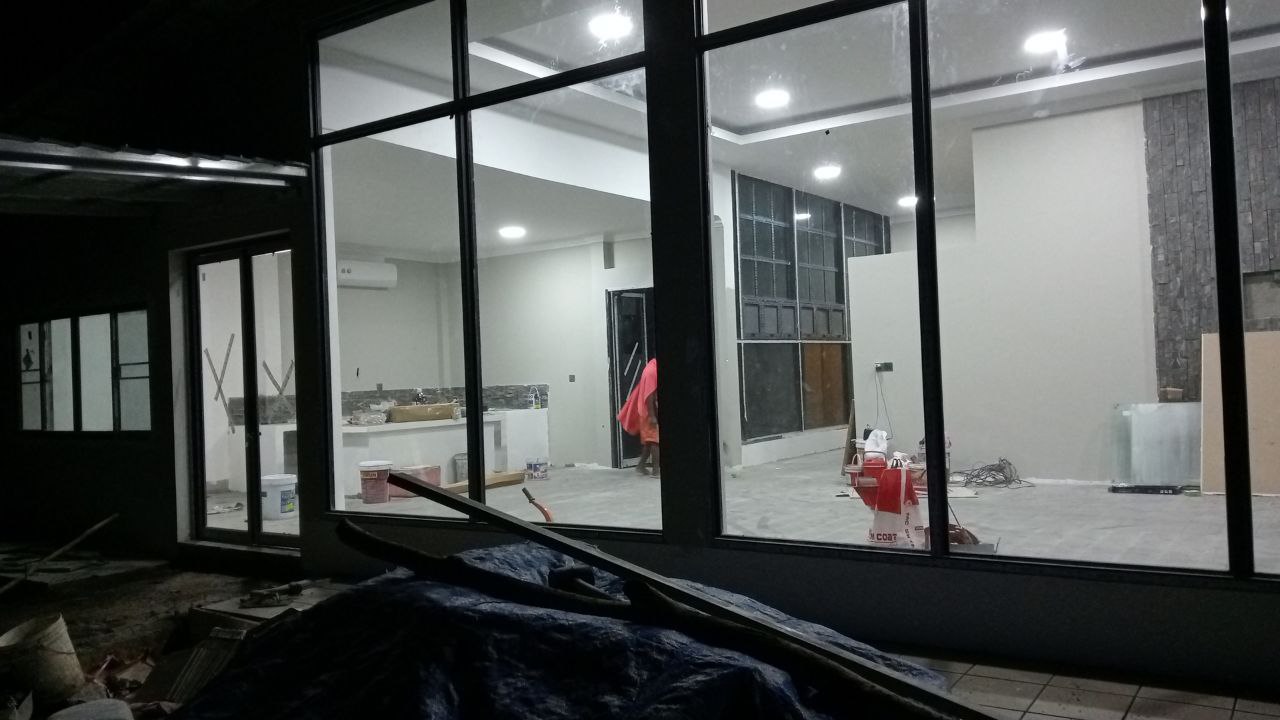
Deploying a volunteer community education center in Tampor Village — on a 5-hectare plot donated by the local community and enclosed with fencing for animal raising. The site serves as GSO's volunteer base and community operations hub. The center provides a constant presence in the village — giving our project officer a base to liaise with community leaders, coordinate capacity building, run training programs, and manage animal raising operations. It sits directly across from the main access road into the Phnom Samkos REDD+ project, maintaining visibility over this corridor for conservation enforcement.
The Animal Matching Model
For every goat, cow, or batch of fish GSO gives away to a family, we raise one additional animal at this station. The extra animal is co-invested or co-funded — creating a self-sustaining cycle where the program pays for itself. Local villagers are employed at equal ratios, building skills and income while producing the animals that power GSO's distribution programs across Phnom Samkos.
What the station provides
Volunteer base — accommodation and workspace for international and local volunteers supporting education and conservation programs
Project officer hub — constant presence in the village for community liaison, capacity building, and training coordination
Animal raising center — goat, cow, and fish production for the animal matching program that self-funds livestock distribution
Crop testing & R&D — trial new varieties and techniques before rolling them out to community partners
Strategic location
Directly across from the main REDD+ project access road
Constant village presence — builds trust and community relationships over time
Employment for local villagers in animal raising operations
Reduces input costs across all livestock and aquaculture programs
Project photos
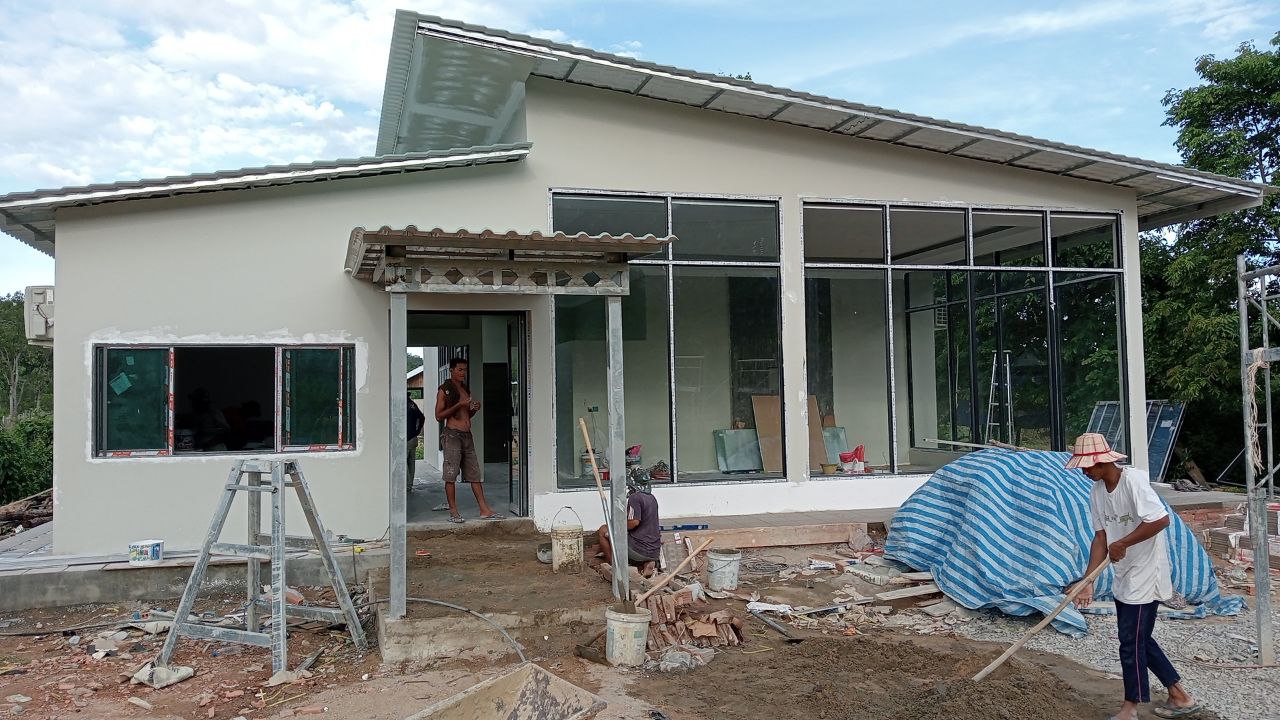
Who benefits
Tampor Village families gain free livestock, hands-on training in animal care, and ongoing support from a village-based project officer. The station provides local employment opportunities for women in the village — roles that require no travel, allowing mothers and caregivers to earn income while staying close to home. Local villagers are employed in raising animals — building skills and earning income while producing the goats, cows, and fish that stock GSO's distribution programs. Volunteers live and work alongside the community, sharing knowledge that stays in the village long after they leave. The animal matching model ensures the program is self-sustaining — the community benefits without depending on perpetual outside funding.
Awaiting funding to complete
Technical Documentation
Download Technical Document (PDF) ↓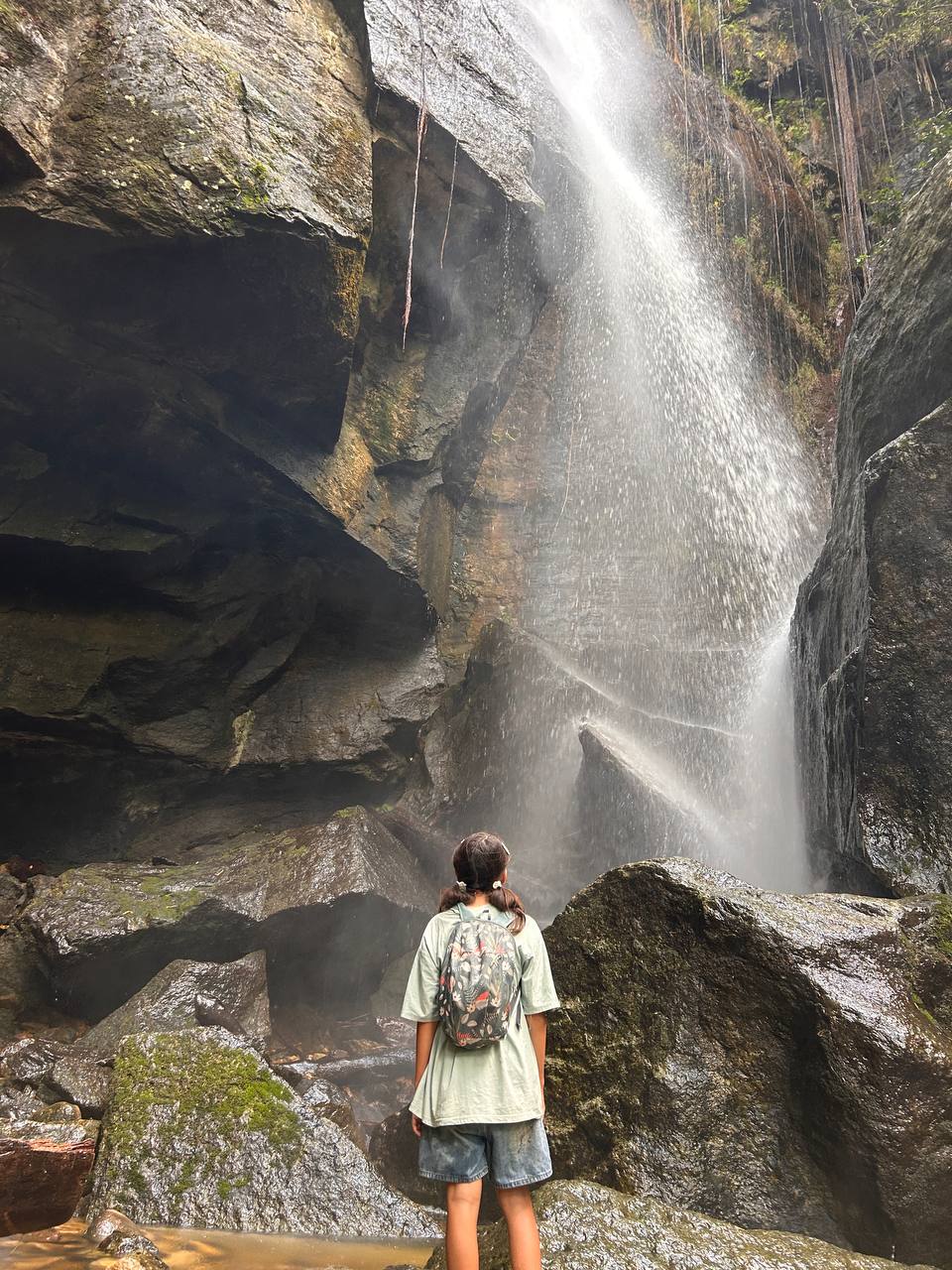
Community Forest Stewards & Eco-Tourism Trail
Phnom Samkos Wildlife Sanctuary • 2026
2026 Hikers
403 / 500
80.6% of target • 3,600 hectares under community monitoring
What we're solving
Current eco-tourism targets foreign visitors — conservation cannot depend on outsiders to care
A large population of educated urban Cambodians — outdoor enthusiasts — remain disconnected from the forests being lost
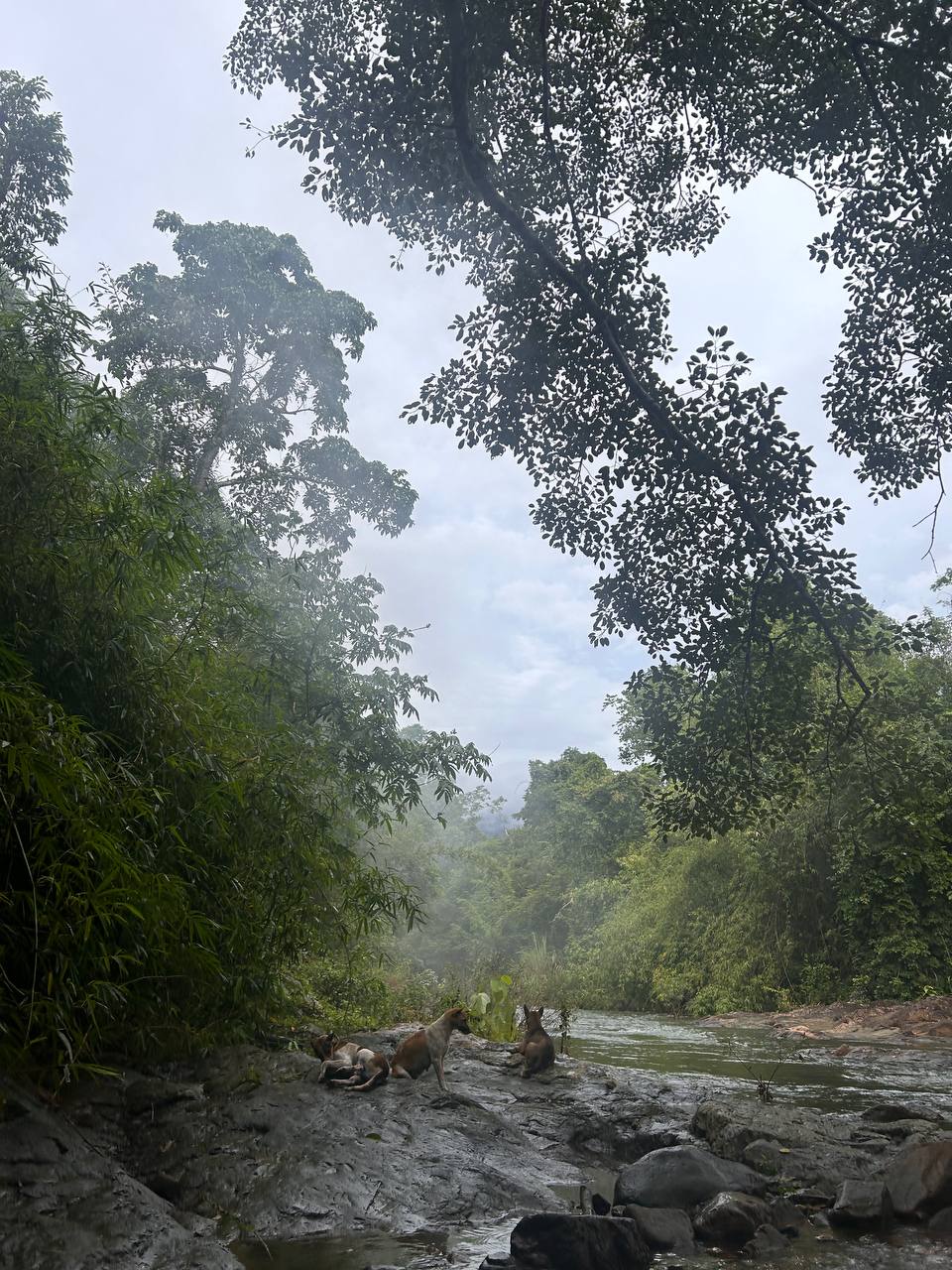
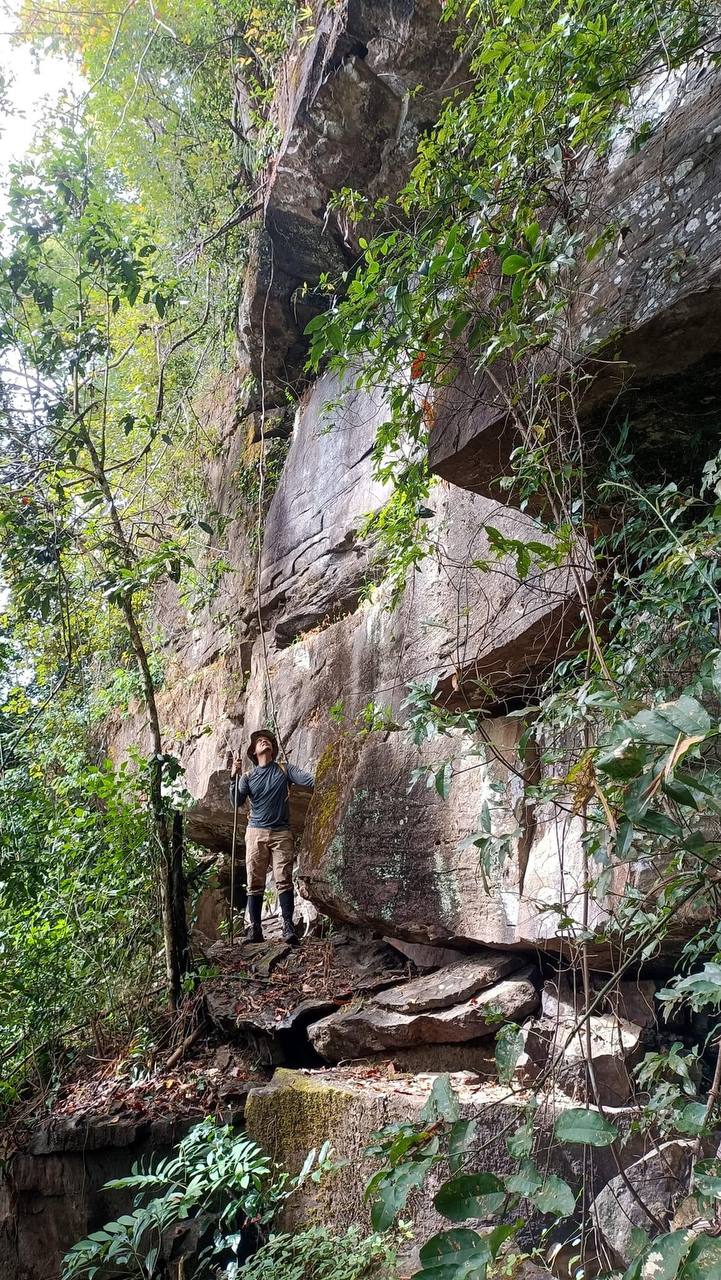
Logging trails already cut deep into the sanctuary — we turn them into hiking trails that bring visibility and awareness
Forest protection cannot remain an exclusively foreign-championed issue — the solution must come from within
Conservation and tourism only work when they balance. GSO is developing a trail network through the Phnom Samkos Wildlife Sanctuary — creating self-guided hikes and treks that bring environmental awareness directly to local Cambodians. When Cambodians themselves can walk these trails, experience the forest, and understand what is at stake, the fight to protect it becomes their own. Responsible tourism, no-trace camping, enforced trail guidelines, and community-led stewardship — high visibility protects the forest, and awareness protects the community.
Who benefits
Urban and rural Cambodians — bringing environmental awareness directly to local communities. 403 of 500 hikers in 2026, 3,600 hectares of forest under community monitoring. Conservation cannot remain a foreign-championed issue — the solution must come from within. Needs assessed as they arise, prioritized using UN SDG criteria.
Priority criteria: Single mothers, elderly women caring for grandchildren abandoned with them, and families most vulnerable to economic pressure that drives forest encroachment.
Trail development photos
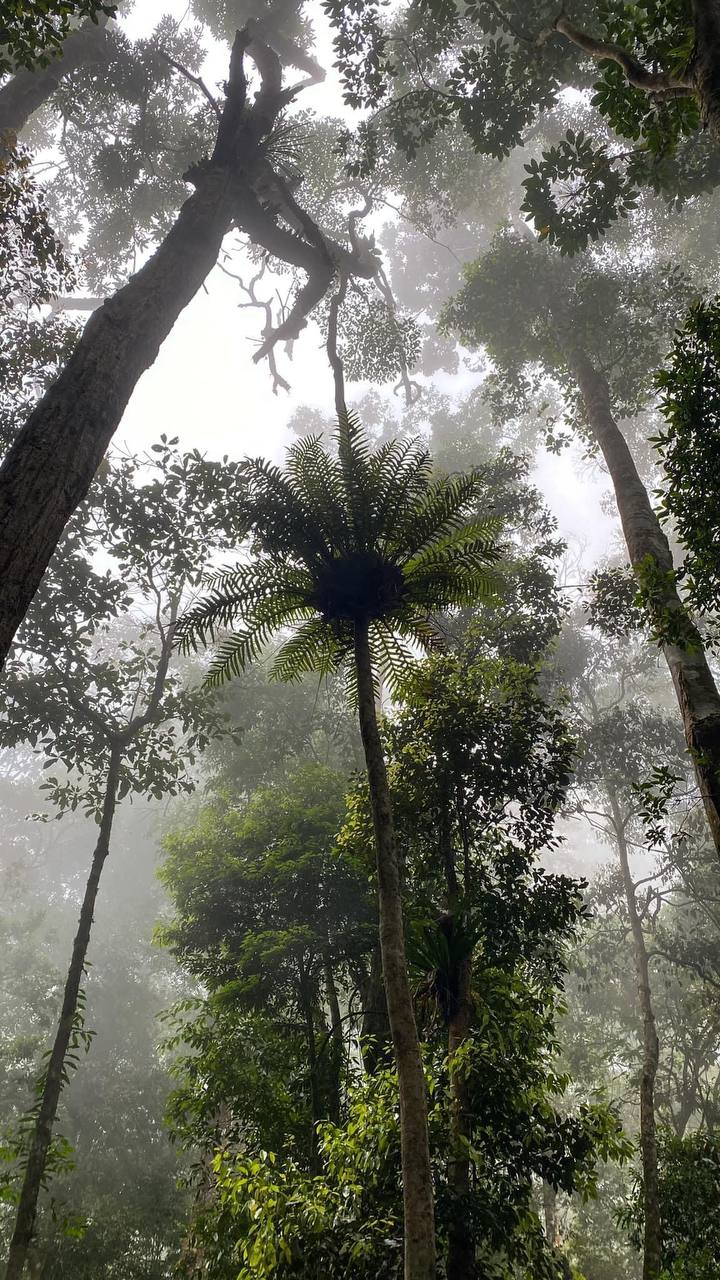
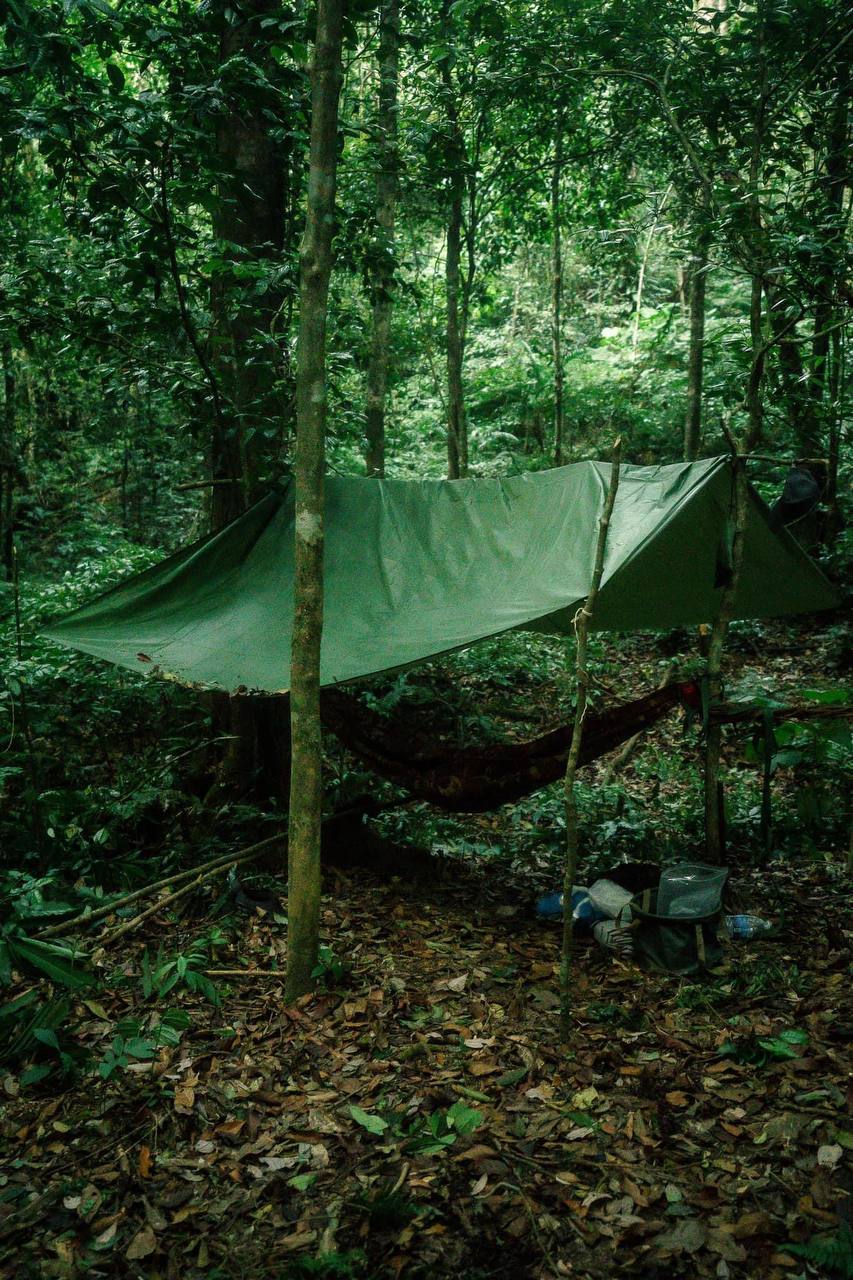
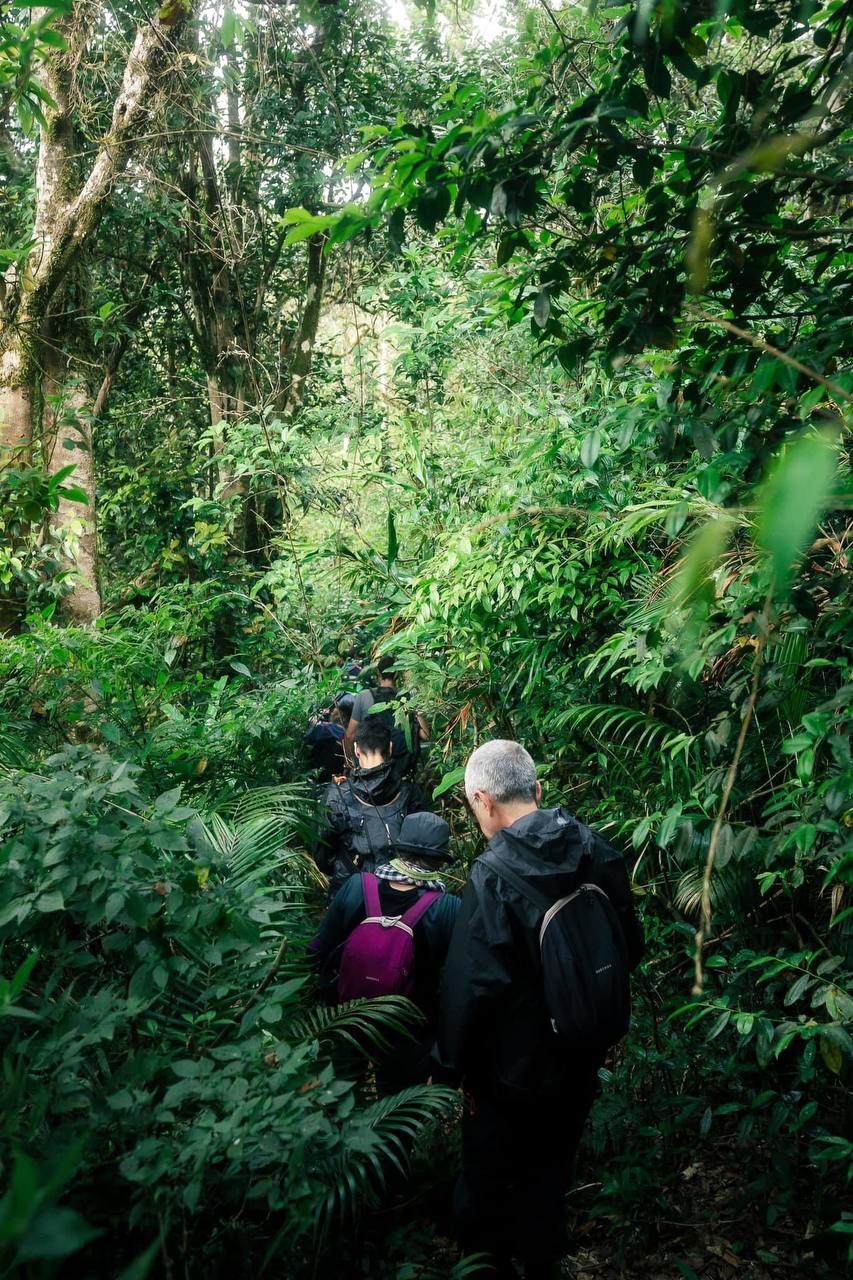
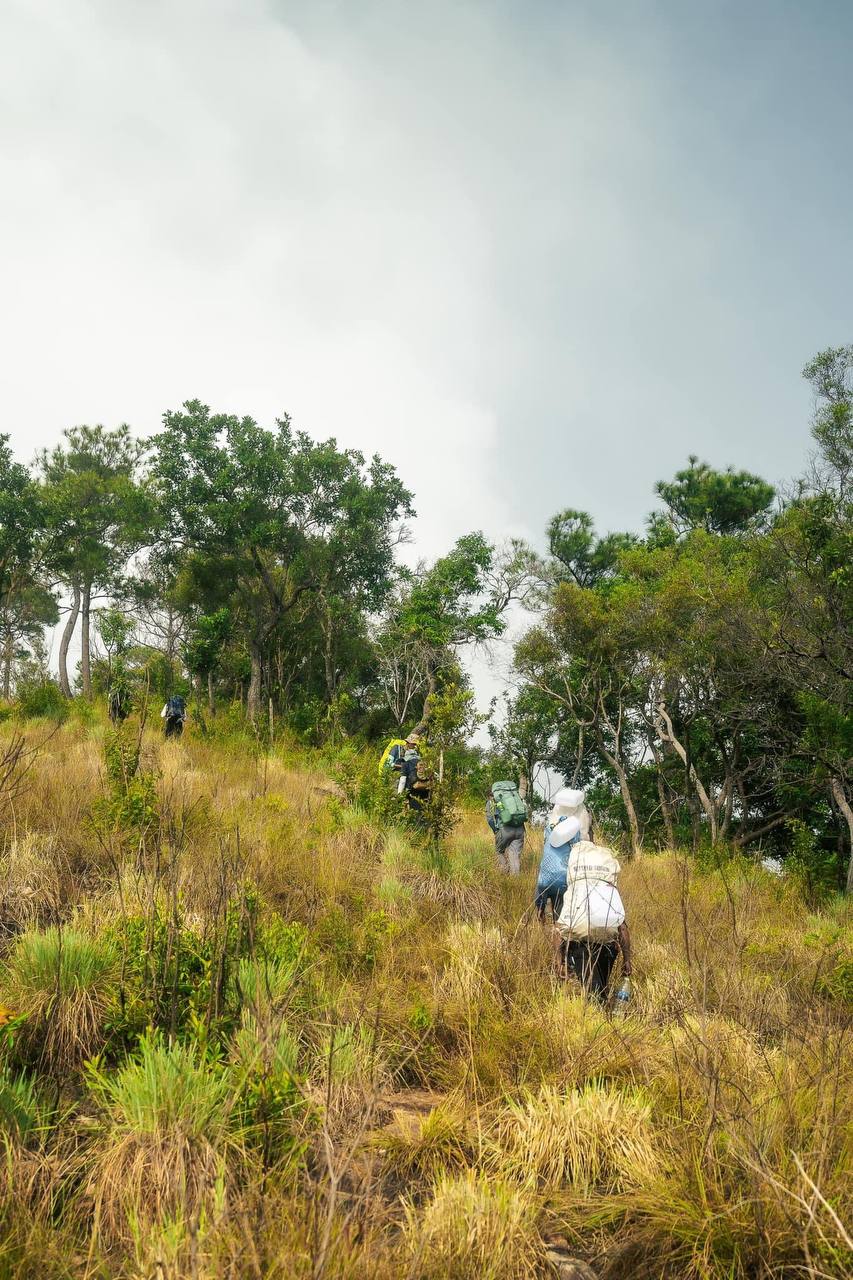
Technical Documentation
Download Technical Proposal (PDF) ↓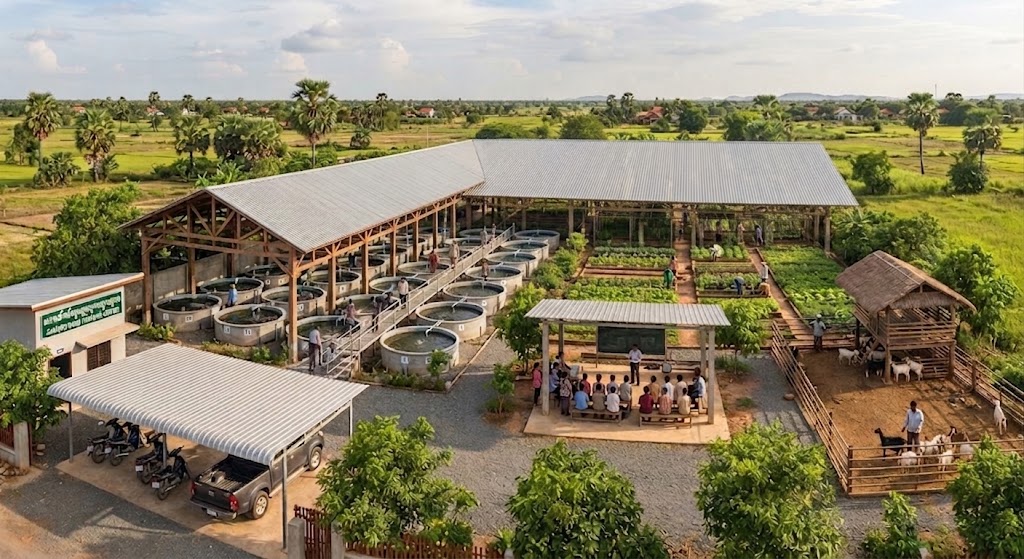
Agriculture Community Education Center
Phnom Samkos Wildlife Sanctuary • Goal: 3 Centers
Status
Planning for 2028+
Investment
$100,000
The biggest shift in how GSO works
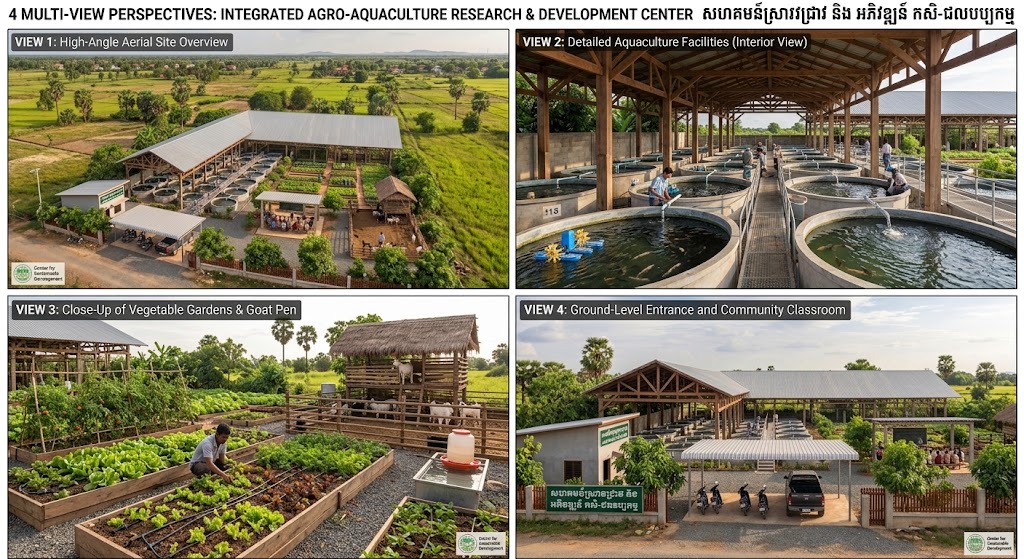
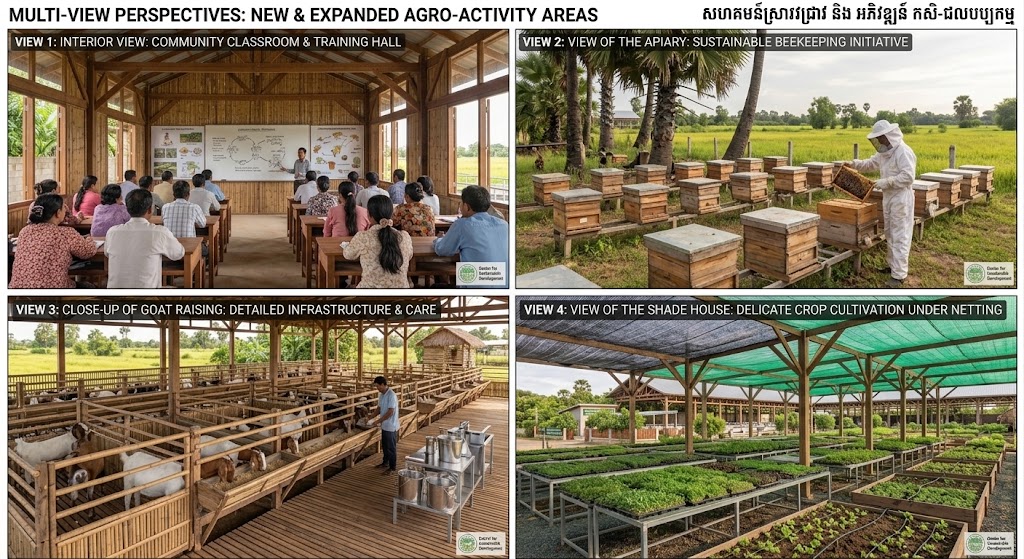
Instead of giving families equipment they haven't used, we build agricultural training centers where they practice first — then take their own version home. This is how we raise the success rate: training and guidance before ownership. The center functions as a community learning hub, agricultural skills training facility, and self-sustaining enterprise — all in one.
What the center includes
Fully solar powered — private solar well for independent water supply
Solar-powered aquaculture demonstration systems — catfish tanks with UV lighting
Shade house for dry-season vegetable production and tree nursery
Goat enterprise demonstration area with training pens
Classroom and workshop space for hands-on agricultural skills training
Built on community land — unused sections of public school property
Training model
Each center runs a 6-month training cycle accommodating 20-40 villagers on a part-time basis. While some participants are in active training, others work at the center generating income — selling fish, produce, and nursery stock at local markets. This income goes directly to the working participants and into a graduate fund that helps families obtain their own home or satellite systems upon completion.
Who benefits
20-40 villagers per cycle — subsistence farmers with limited skills and resources. Solar-powered, self-sustaining facility. Completion unlocks home/satellite system funded by graduate fund. Community-led model ensures local ownership. Needs assessed as they arise, prioritized using UN SDG criteria.
Priority criteria: Single mothers, elderly women caring for grandchildren abandoned with them, and families most vulnerable to economic pressure that drives forest encroachment.
Curriculum and graduation
Aquaculture: Tank setup, water quality, feeding, solar pump maintenance, harvesting
Livestock: Goat care, breeding, veterinary basics, shelter construction, grazing management
Horticulture: Shade house operation, organic pest management, soil health, tree nursery
Enterprise: Market access, pricing, bookkeeping, closed-loop farming systems
Completion of the curriculum unlocks eligibility for a home or satellite system — a personal aquaculture setup, goat starter kit, or shade house — funded in part by the graduate fund built during their training period.
Staffing
1 permanent project officer — on payroll, living on-site, hired from the local community
Community employment — all other positions filled by local villagers, generating income while training
Self-sustaining income
The center is designed to generate its own revenue through tourism visits, sale of fish and produce, and nursery stock. This creates a self-sustaining model where the center supports itself and its participants — not dependent on ongoing donations. Families attending training earn income while learning, and the graduate fund ensures each completion leads to a real, working system at home.
Community ownership
The center belongs to the community — not to GSO
Built on unused sections of public school land
Local employment, local management, local benefit
Design mockups
Technical Documentation
Facility layout, solar power design, training curriculum, and community ownership model.
Download Technical Proposal (PDF) ↓Cow Placement Program
Family Sponsorship
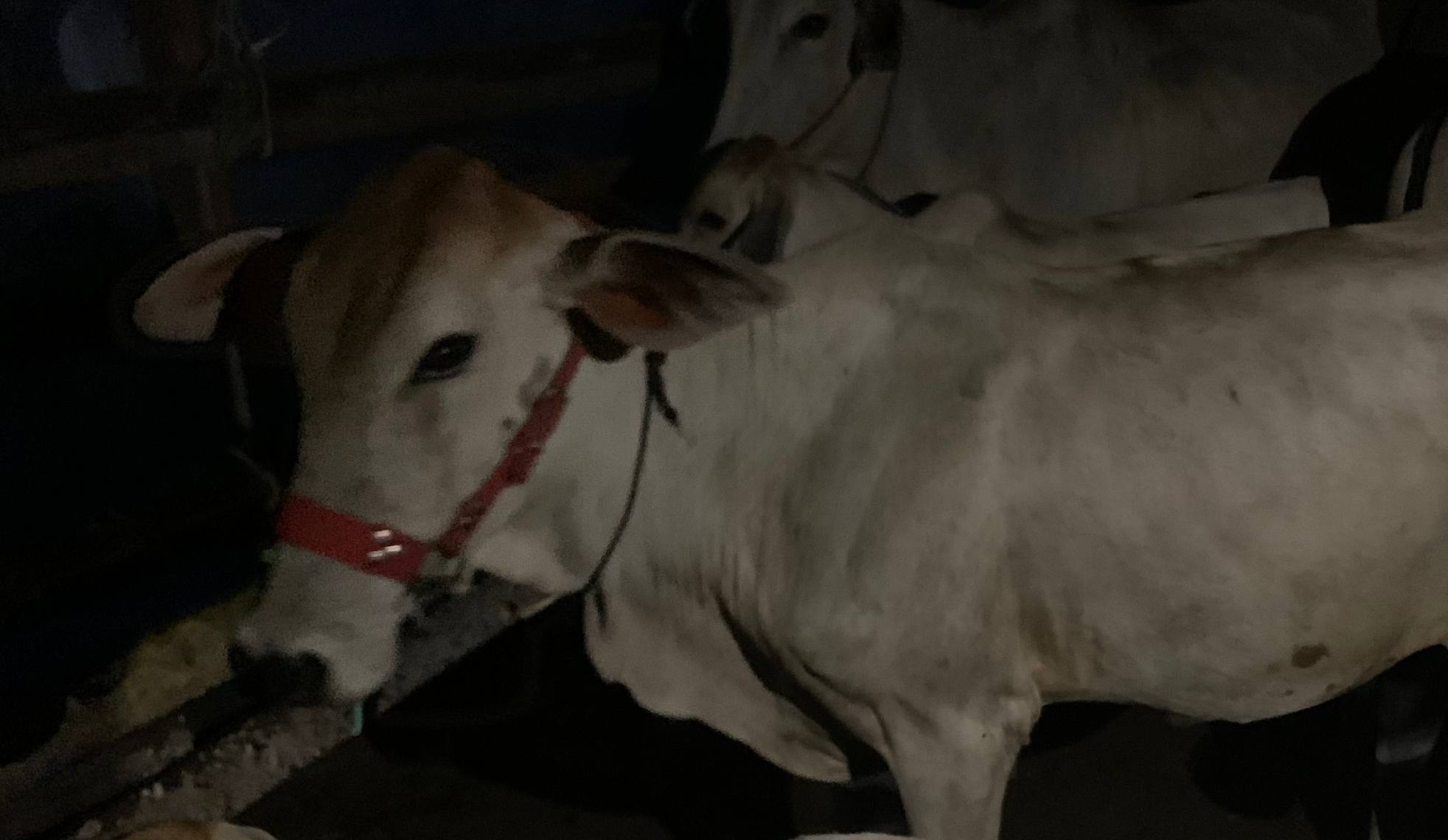
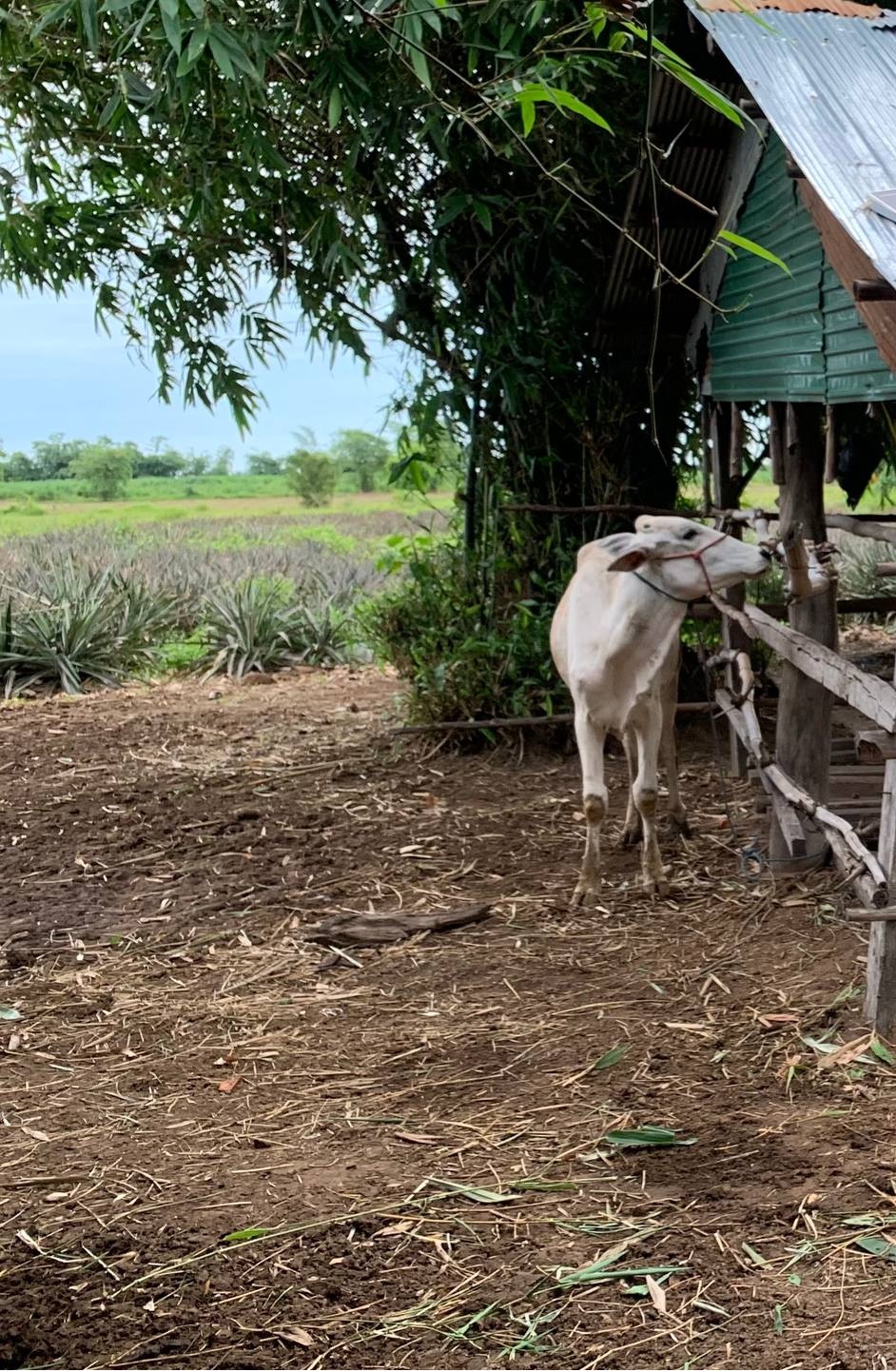
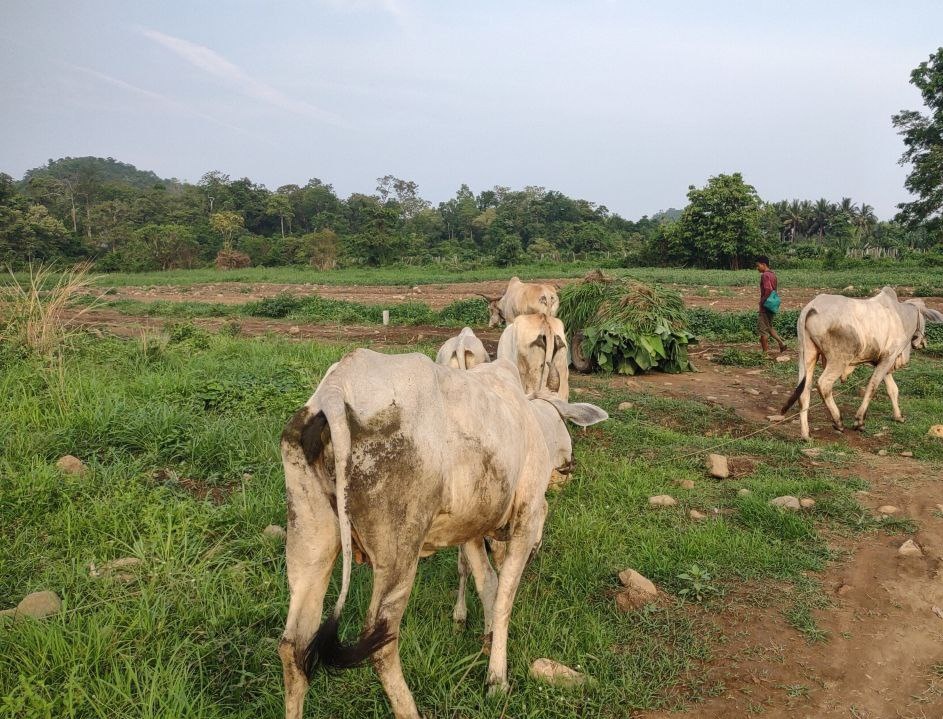
15 cows placed with single mothers and women-led families. Each cow provides dairy, income, and fertilizer — creating sustainable livelihoods in rural Battambang. Priority is given to single mothers, elderly women caring for abandoned grandchildren, and families most vulnerable to economic pressure.
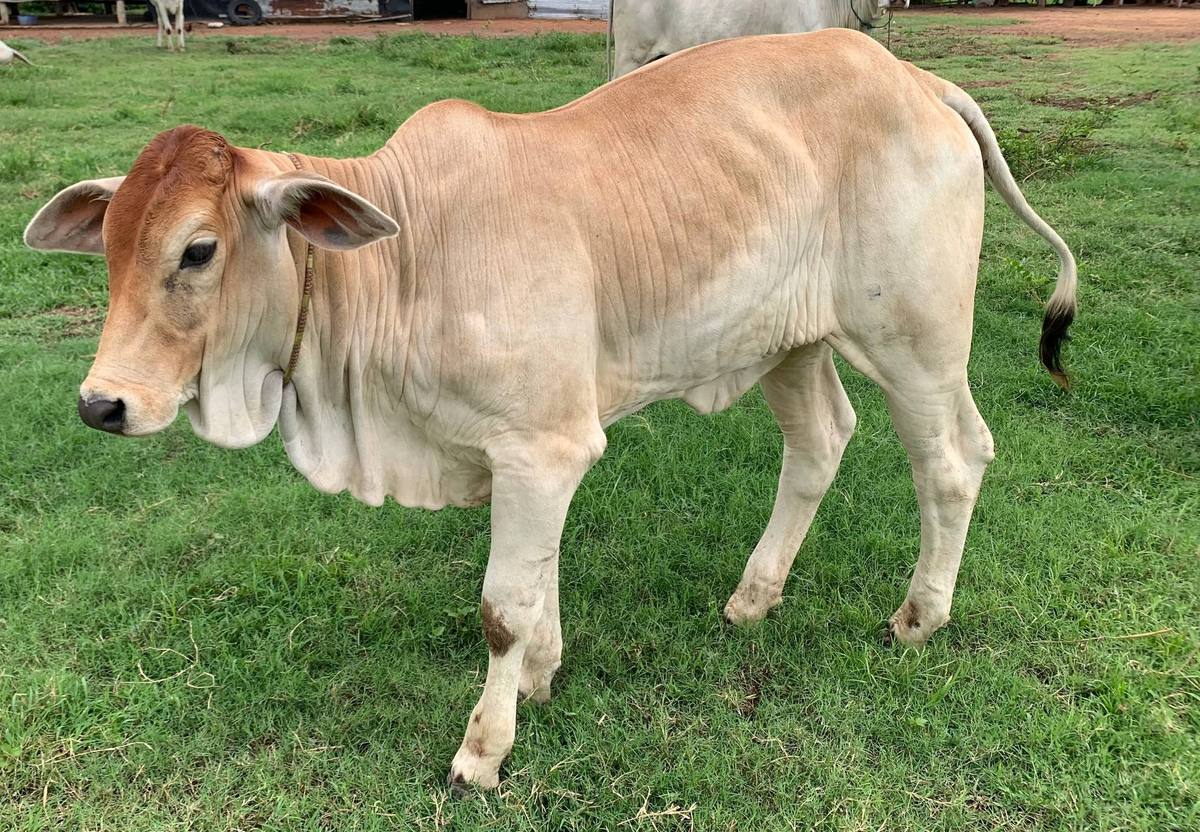
The Chaom Family
Child: Em, age 13 • Arai Village
Em lives with his mother on land given to a foreign company as an economic concession. His mother operates a small shop from the home. The cow provides daily milk for Em's nutrition, manure to restore their depleted soil, and calves that can be sold to fund his school supplies — turning a subsistence household into one with growing income.
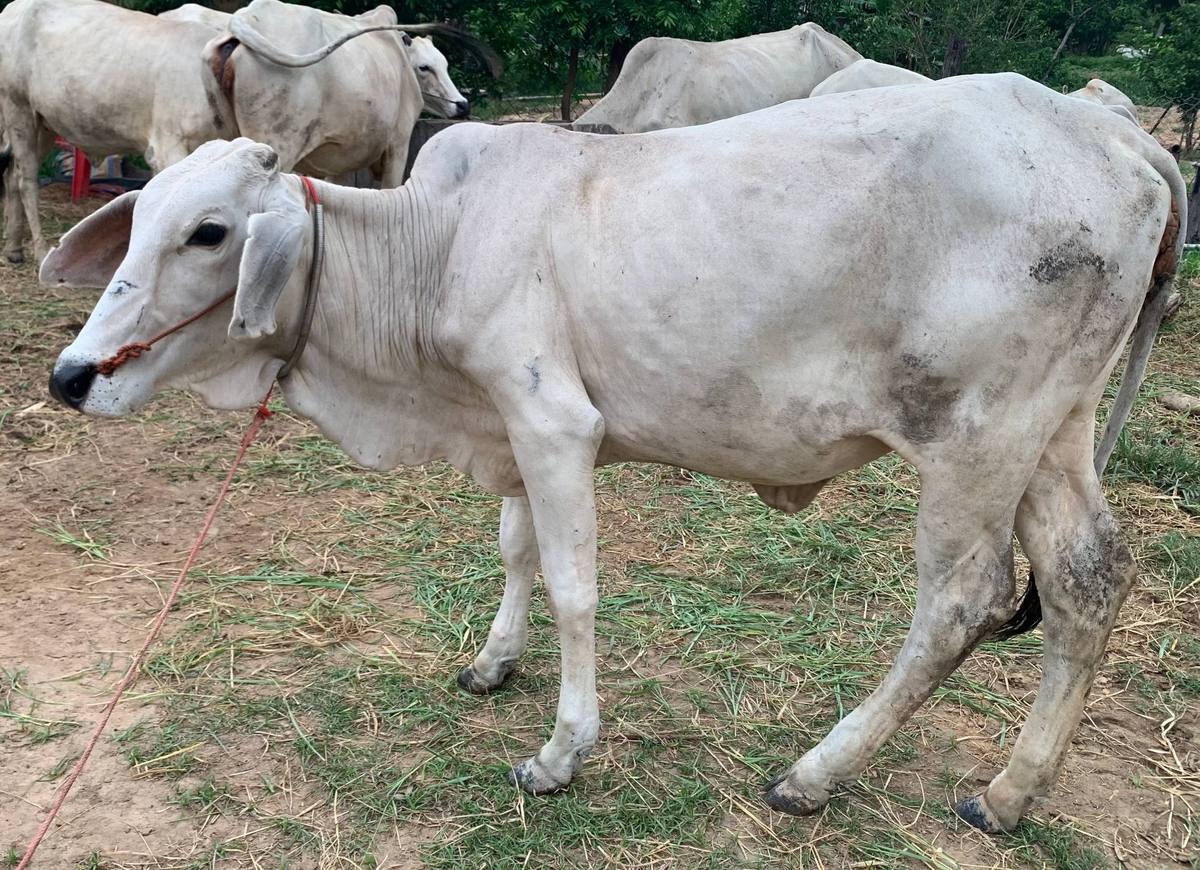
The Chow Family
Child: Dina, age 14 • Arai Village
Dina's father works illegally in Thailand to support the family — Dina effectively runs the household. The cow gives her mother a daily source of milk for the children and income from selling calves, reducing dependence on remittances that arrive irregularly. Dina can stay in school instead of shouldering the family burden alone.
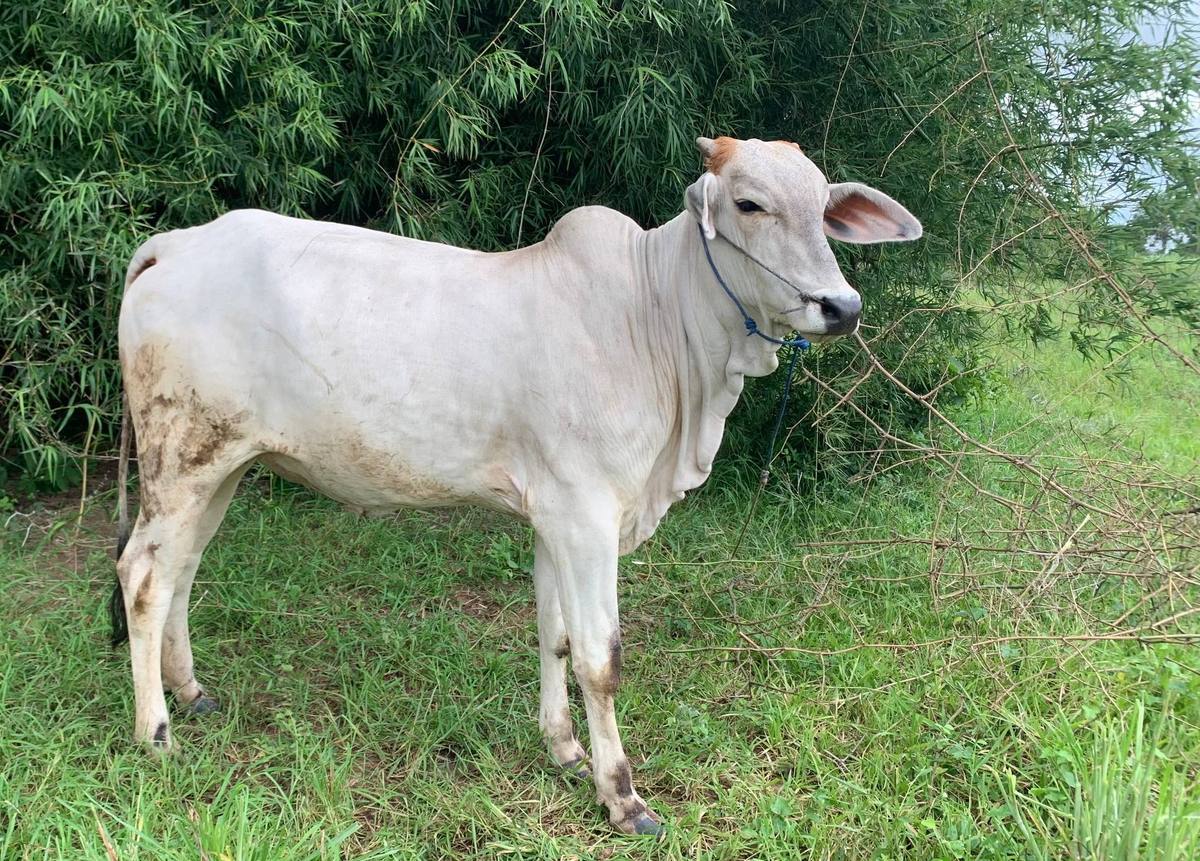
The Pat Family
Child: Phiron, age 11 • Arai Village
Phiron's father is disabled and his older sister returned with an infant — three generations under one roof with limited income. The cow provides milk for the baby and Phiron's growing body, manure to improve their small farm plot, and a calf that can be sold to cover school costs. The family no longer depends entirely on what the land produces.
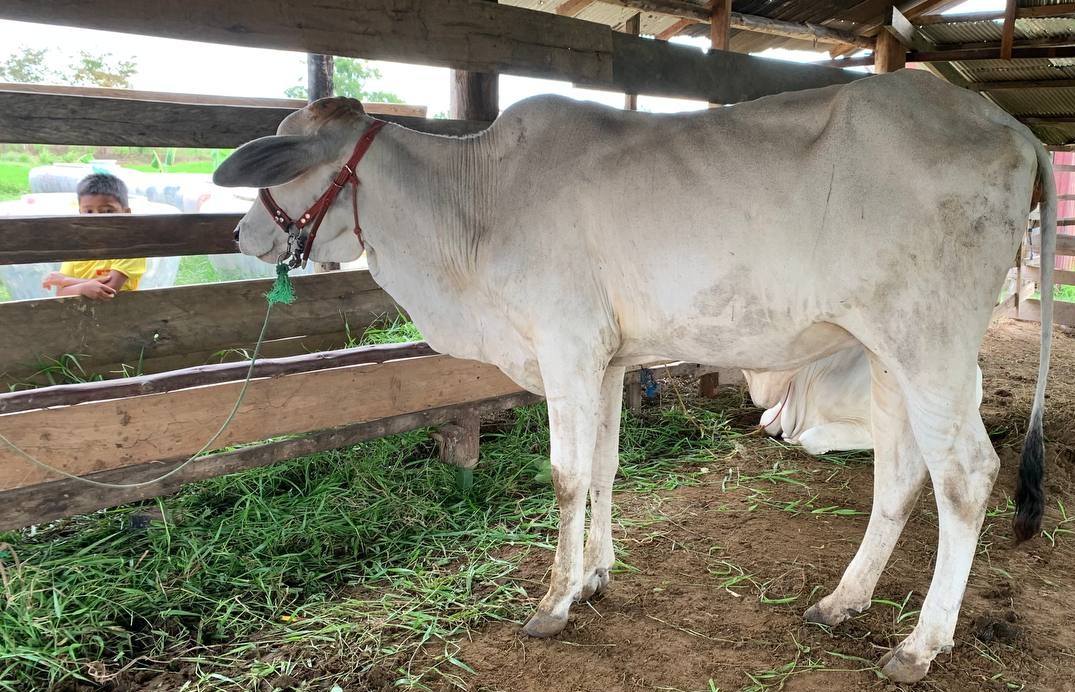
The Chupe Family
Child: Wool, age 14 • Arai Village
Wool helps care for the family animals while attending school alongside Jake — both children committed to their education despite the family owning no rice fields. The cow provides milk for the children's nutrition, fertilizer for their vegetable garden, and calves that can be sold to pay school fees and supplies, giving both kids a path beyond subsistence farming.
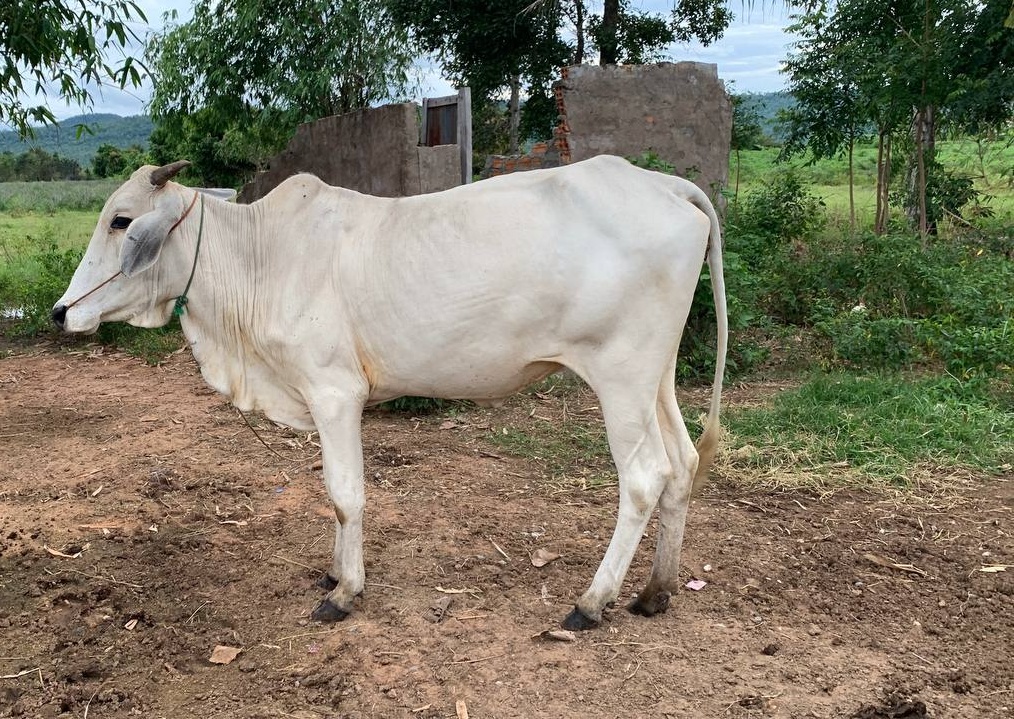
The Dum Family
Child: Youn, age 13 • Arai Village
Youn was abandoned with his grandmother as a baby — she is his only guardian. The cow gives them both daily nutrition and a source of income when calves are sold. If something happens to his grandmother, the cow and its offspring become Youn's only safety net — a small herd means he is not left with nothing.
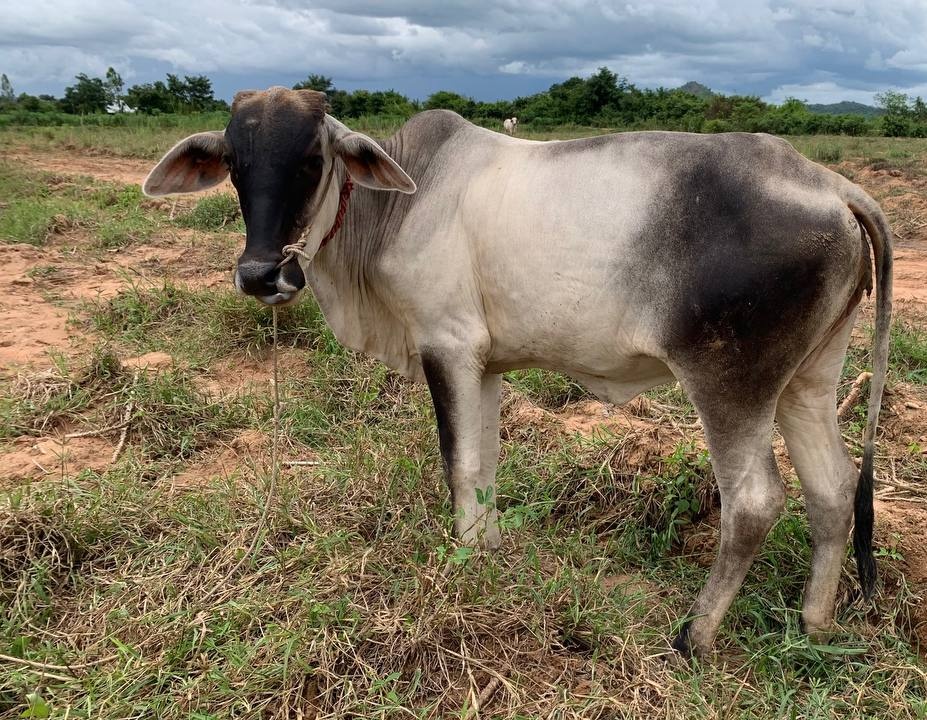
The En Family
Children: En Nyah, En Bo, En Chamran • Arai Village
Three brothers attend school daily and help their mother farm — but the family has no rice fields and water access is extremely limited. The cow provides milk for all three boys, manure to enrich their farmland, and calves that can be sold to buy the rice the family cannot grow. It turns a household dependent on charity into one that generates its own food and income.
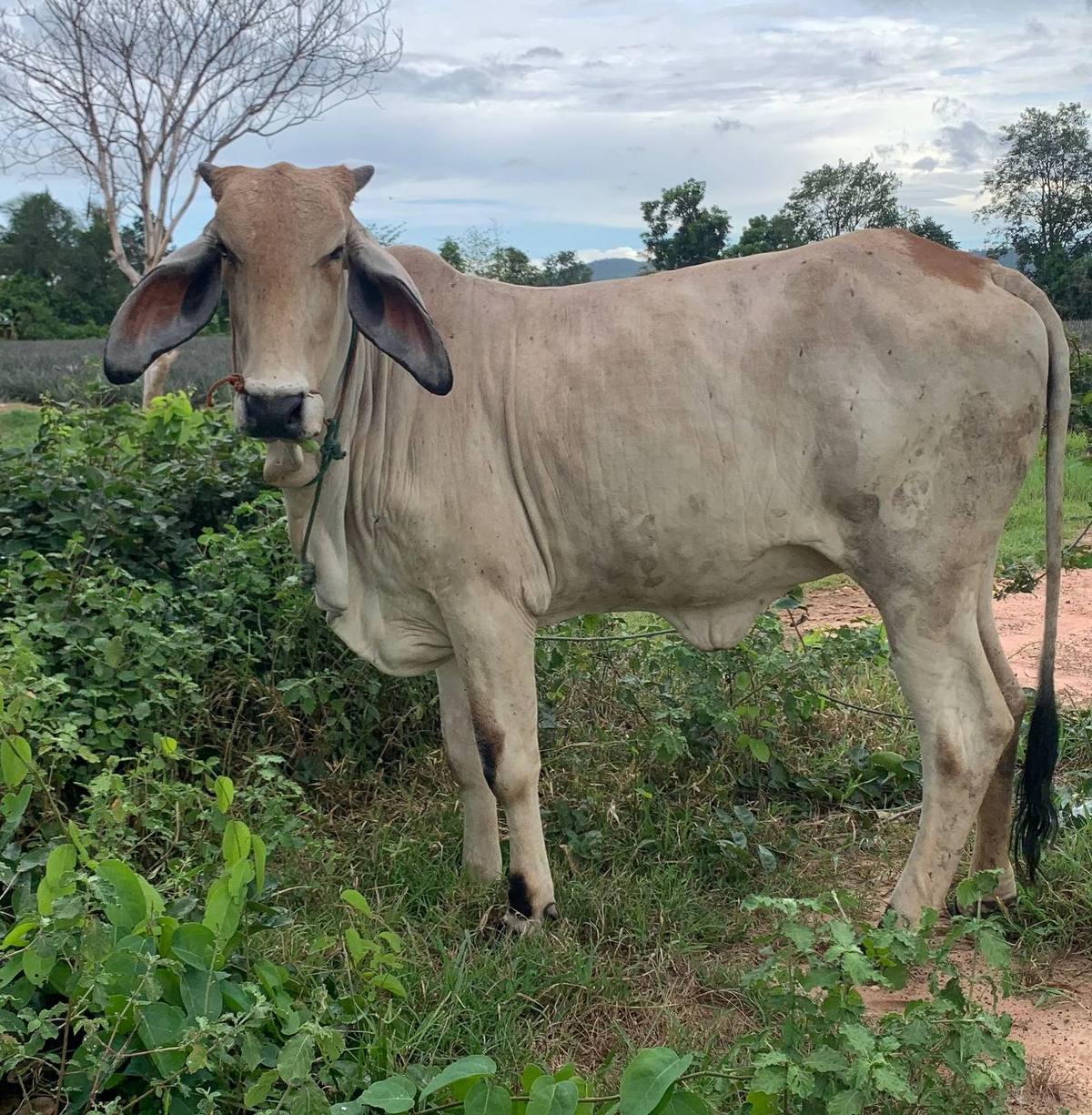
The Hon Family
Children: Kem-Hong, Kem-Hang • Arai Village
Kem-Hong and his younger brother live with relatives while their mother works illegally in Thailand. The cow keeps the brothers connected to home — daily milking and care gives them responsibility and routine while providing protein they otherwise lack. Calves sold can fund their mother's eventual return or the boys' education.
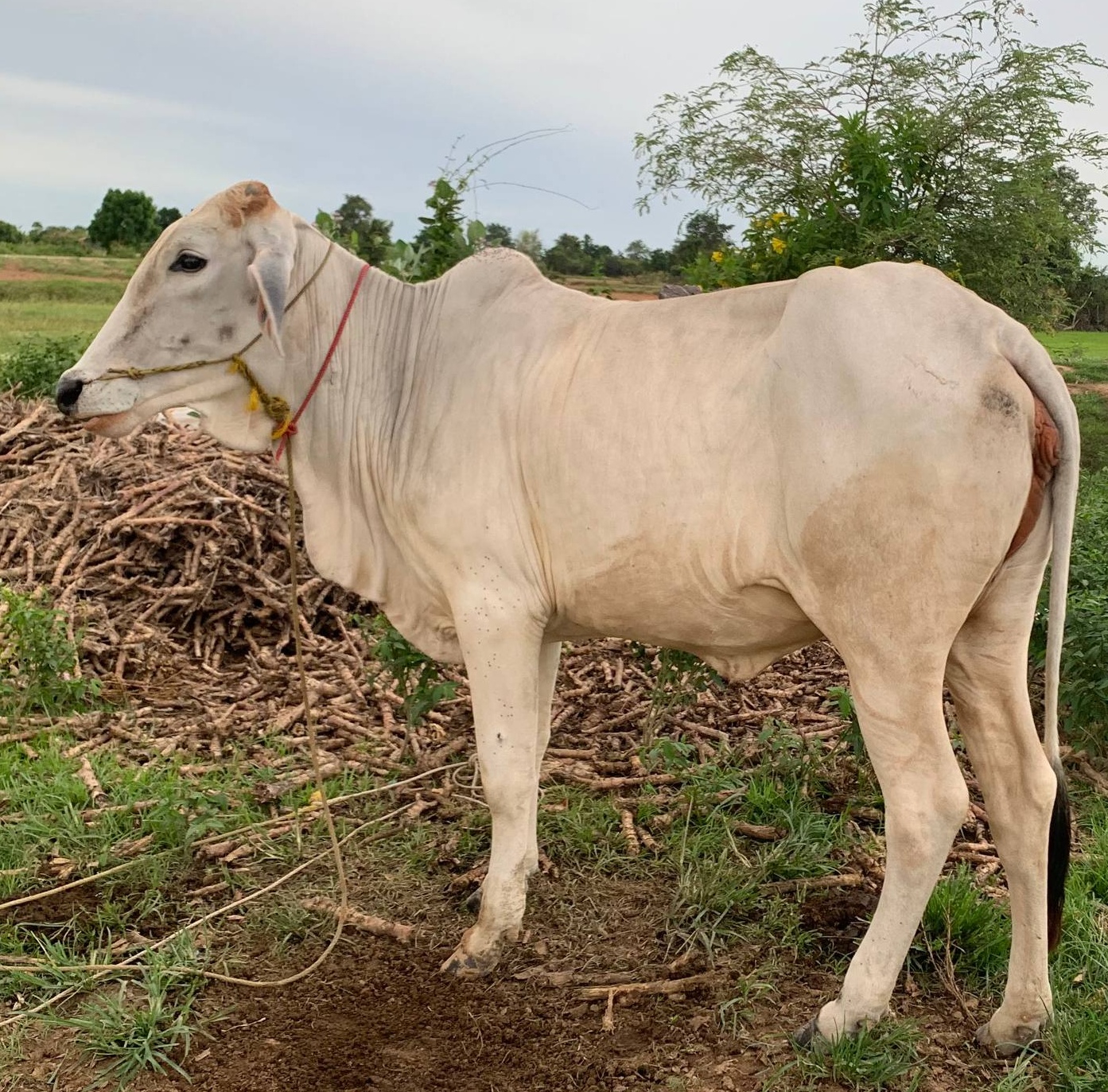
The Hiep Family
Child: Sa-Ime, age 9 • Arai Village
Sa-Ime studies English daily and helps her mother with their watermelon and peanut farm. The cow gives the family a reliable protein source for Sa-Ime's growing body, manure to improve their farm soil, and a calf that can be sold to fund her continued education — she dreams of learning to play music at school.
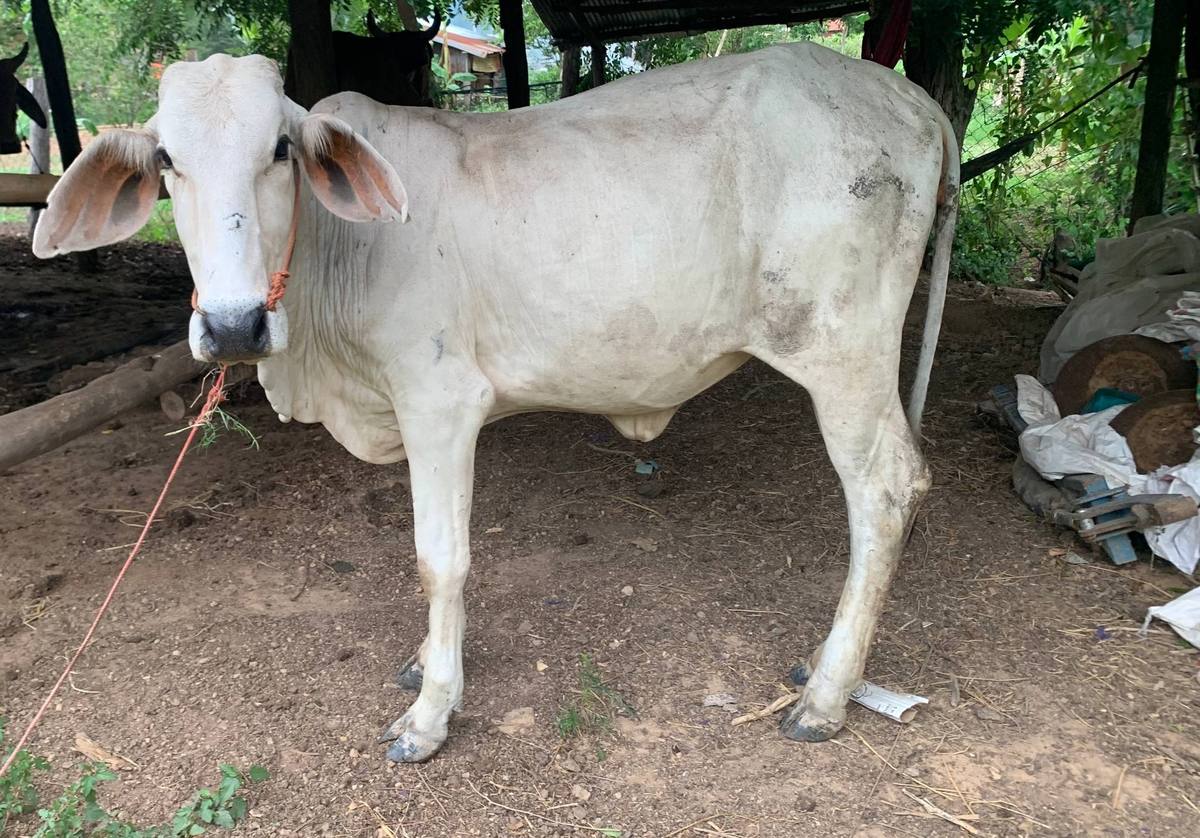
The Krong Family
Child: Heang • Arai Village
Heang's father lost his left leg to a landmine — he cannot work the land as other fathers do. The cow gives Heang's family a livelihood that doesn't require physical labor: milk for nutrition, manure for their garden, and calves that can be sold to support the family. Heang shows genuine determination to improve their situation, and the cow gives him the means to do it.
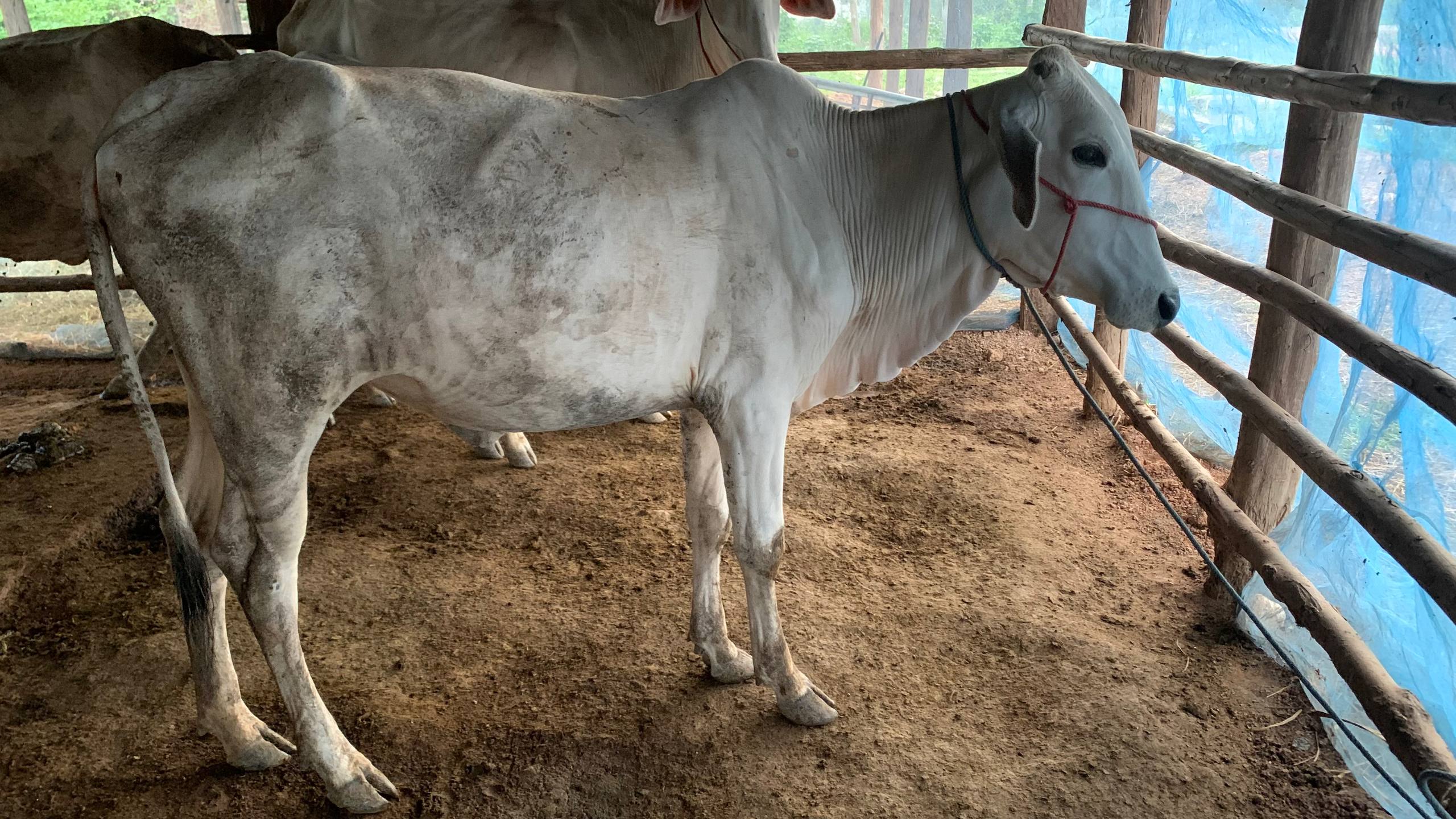
The Kude Family
Children: Rattana, age 6; Ratanee, age 4 • Arai Village
Rattana (6) and Ratanee (4) are enrolled in first grade — before GSO's involvement, they had never held a colored pencil. The cow provides daily milk for their nutrition during critical developmental years, manure for their family garden, and calves whose sale can fund school supplies and clothing. Each year the herd grows, and so does their opportunity.
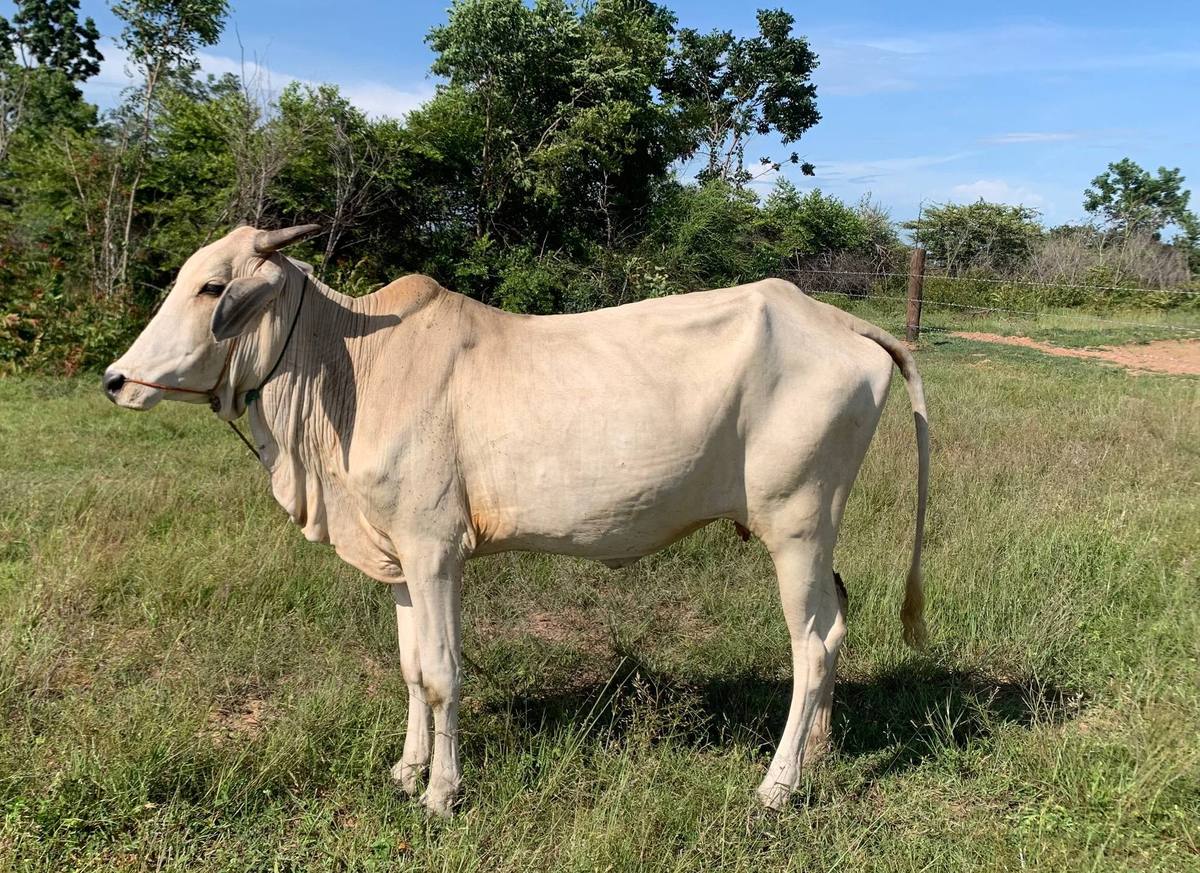
The Mon Family
Child: Mao, age 4 • Arai Village
Mao was abandoned with his grandmother, who struggles to provide for him. The cow gives Mao daily milk — proper nutrition for a growing child that his grandmother otherwise cannot afford. Manure improves their garden soil, and calves sold fund school supplies and clothing. The cow turns a vulnerable household into one with a future.
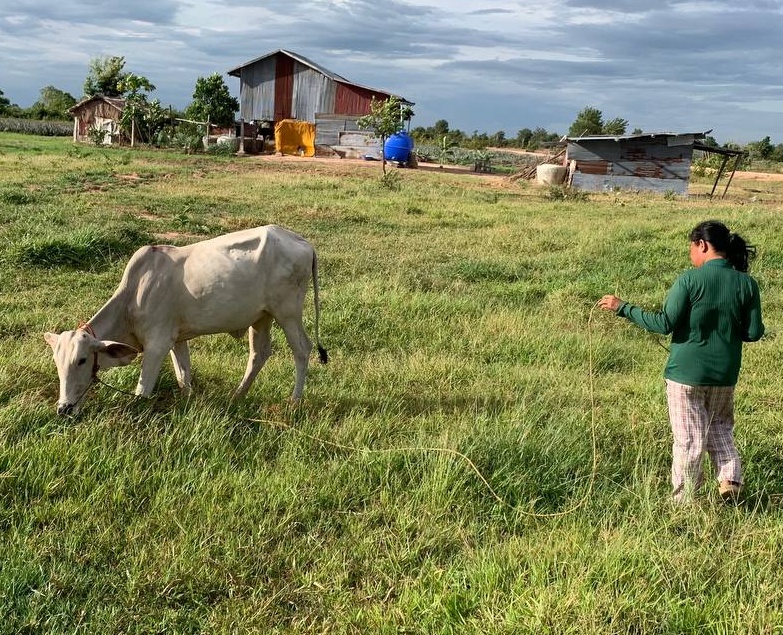
The Mole Family
Children: Jew, age 5; Ouk • Arai Village
Jew's teeth have been damaged by a diet of snacks from his mother's shop — breakfast is often candy or cookies. The cow provides fresh milk daily, replacing the nutrient-poor food that has harmed his health. Manure improves their farm, and calves sold fund better food and school supplies for both Jew and Ouk.
The Newt Family
Child: Srey-Man, age 7 • Arai Village
Srey-Man lives with her two brothers while their mother works a small plot of land — but the high sand content limits what it produces. The cow gives Srey-Man and her brothers daily milk for nutrition, manure to improve their sandy soil, and calves that can be sold when monsoon rains damage the rice fields. It's a safety net that doesn't depend on weather.
The Churt Family
Child: Pone, age 15 • Arai Village
Pone has lived with the effects of polio since childhood — she walks on the tops of her feet. Three older family members left for Thailand and never returned. The cow gives Pone a livelihood she can manage despite her disability: milking requires no physical labor, and the milk provides nutrition her body desperately needs. Calves sold fund her continued care and education.
The Ruen Family
Child: Lida, age 12 • Arai Village
Lida is a devoted student in third grade while her mother raises the children alone — her husband sends home around $50/month from Thailand. The cow multiplies that income: milk feeds Lida and her siblings, manure improves their farm, and calves sold generate $200-400 each. The family goes from surviving on remittances to building their own assets.
Fund a Project
Donations start projects. Sustainable enterprises keep them going.