Project Area
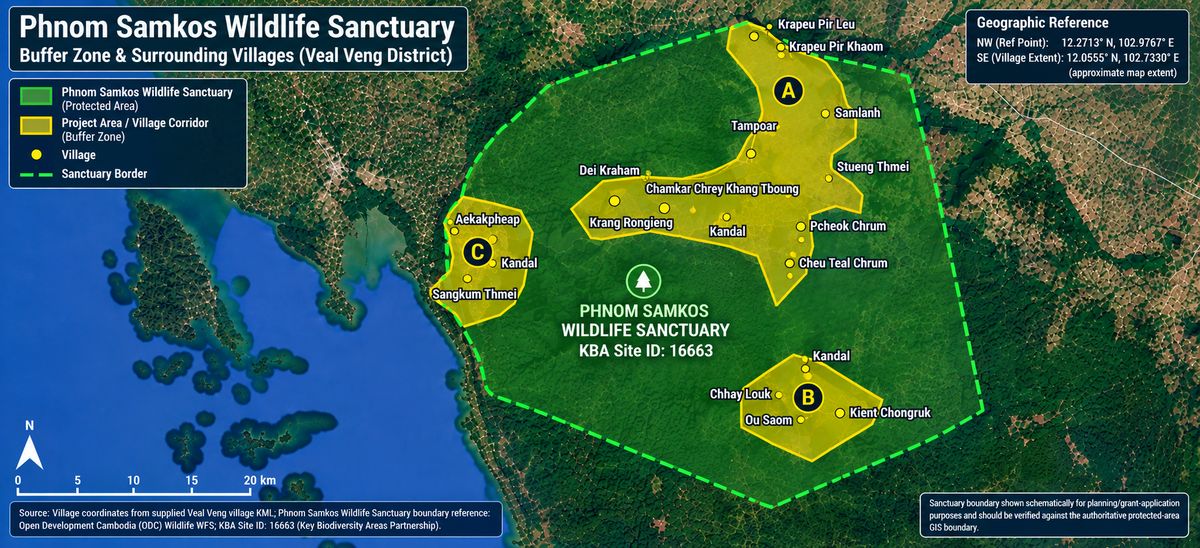
Phnom Samkos Wildlife Sanctuary
The Phnom Samkos Wildlife Sanctuary is a Key Biodiversity Area (KBA) in the Cardamom Mountains of Cambodia — one of Southeast Asia's last remaining lowland evergreen forest landscapes. The sanctuary harbors globally significant populations of endangered species including the Siamese crocodile, piled gecko, and Asian elephant, while providing critical ecosystem services for downstream communities.
GSO operates in the buffer zone — the interface between protected forest and rural communities. This is where conservation pressure meets human need. Families here depend directly on the forest for survival, creating a dynamic where livelihoods and biodiversity are locked in the same struggle.
The conflict at the buffer zone
Families in the project area report clearing forest for farmland partly because of limited alternative income options
Illegal logging provides short-term cash but may affect long-term ecosystem services that communities depend on
Enforcement without livelihood alternatives may not address the economic drivers of forest pressure
Women bear the highest cost — they manage household fuel, water, and food security while having the least economic power
46,669
Total Population in Project Area
22,864
Women
12,441
Women Over 18
Economic Model
Layered Income Portfolio
GSO tests whether stacking three distinct income horizons — daily liquidity, seasonal stability, and annual assets — can improve household financial resilience in rural Cambodia.
Daily Liquidity (Cash Flow)
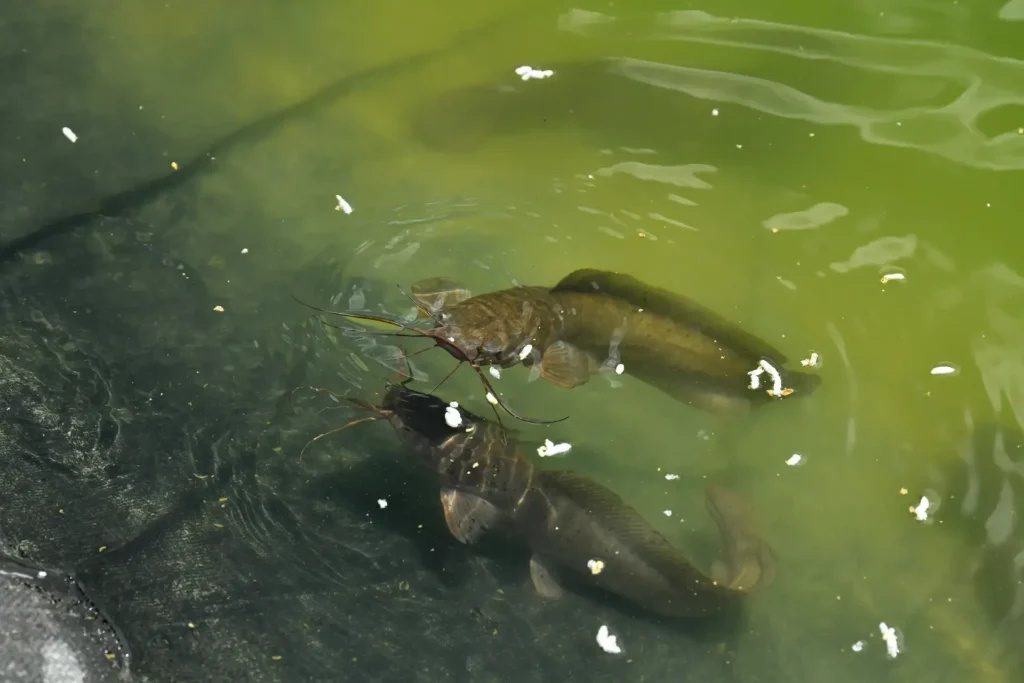
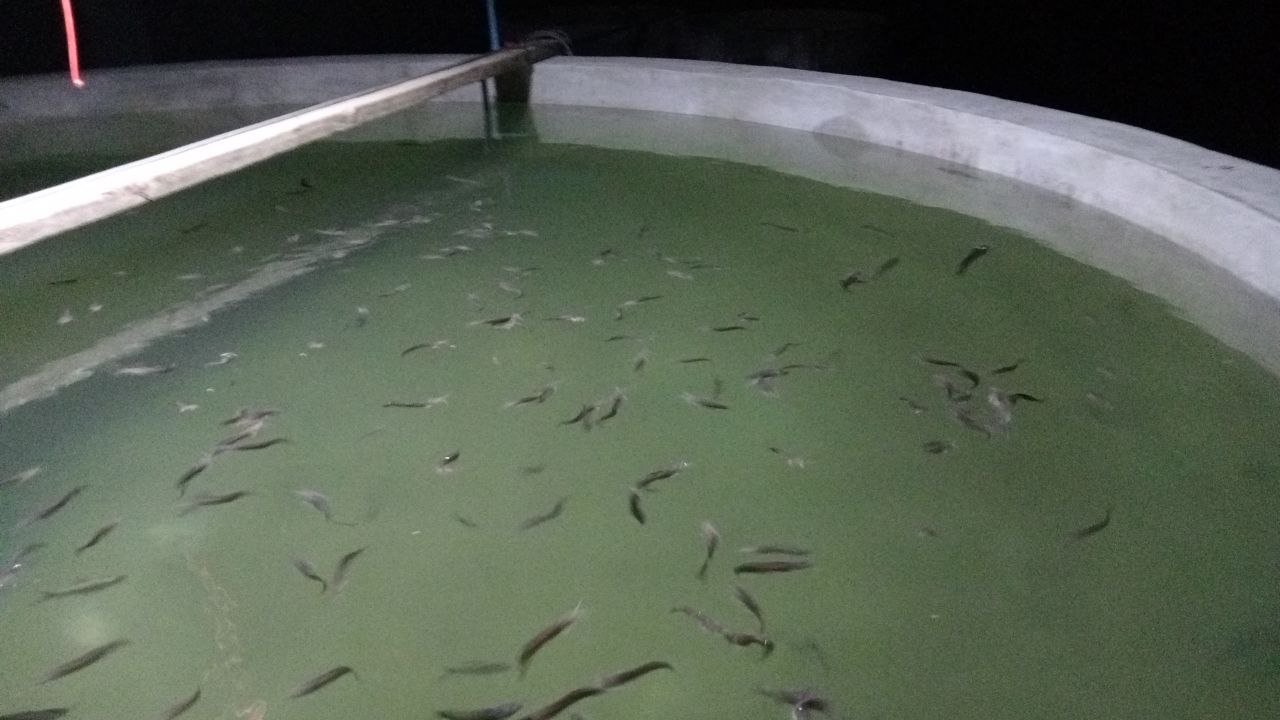
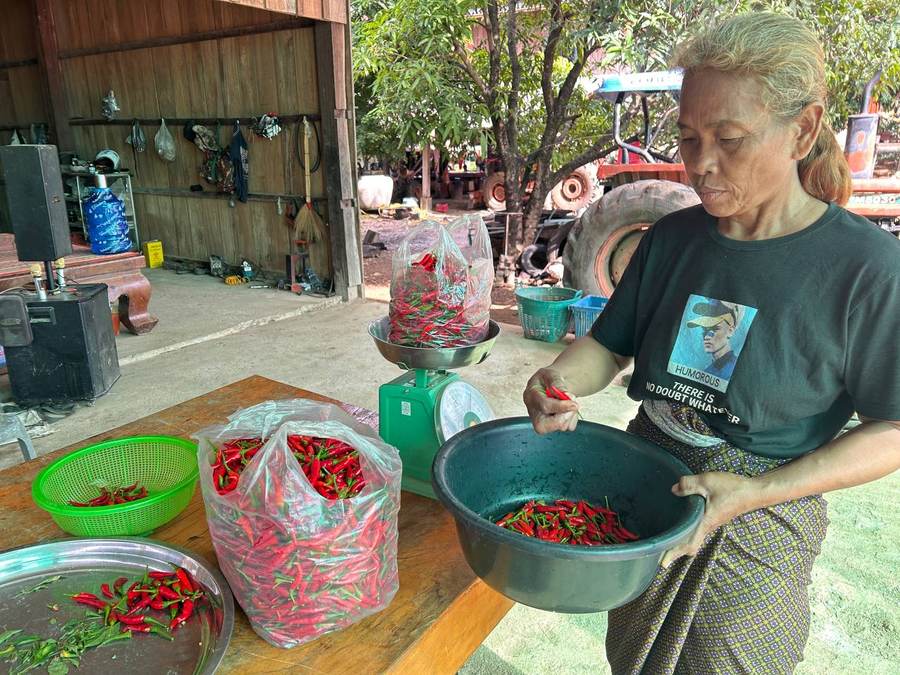
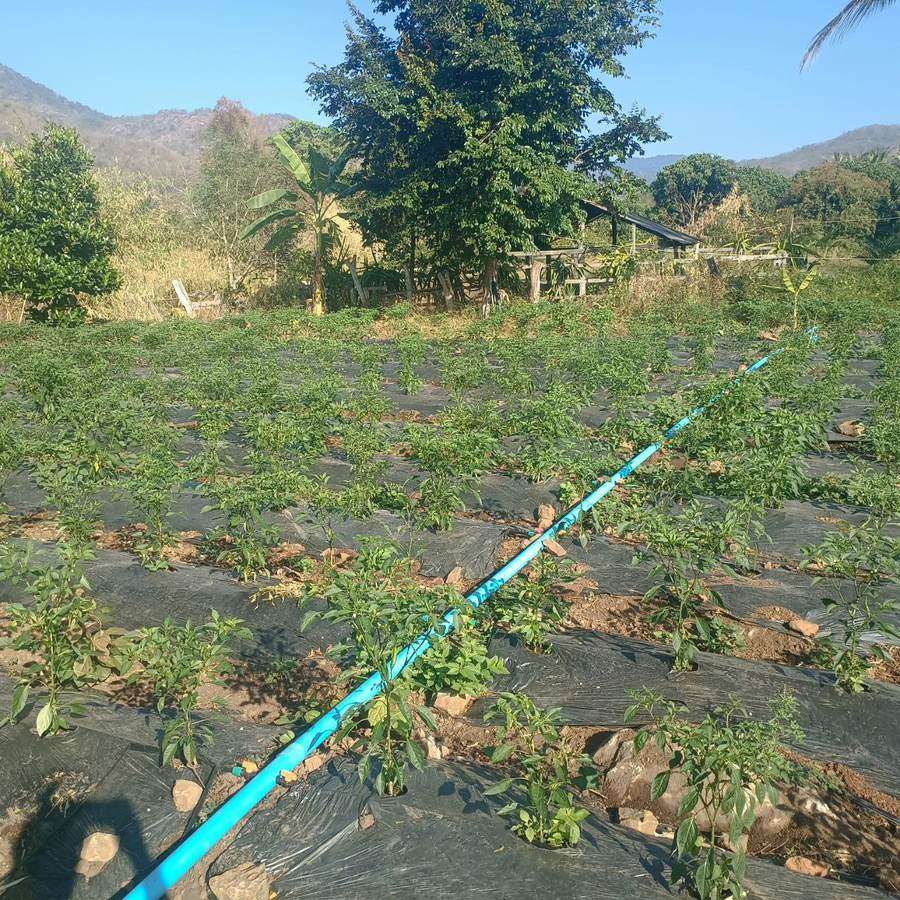
Solar Aquaculture & Pepper Enterprise: Providing a $5–$10/day baseline boost for basic needs.
Seasonal Growth (Stability)
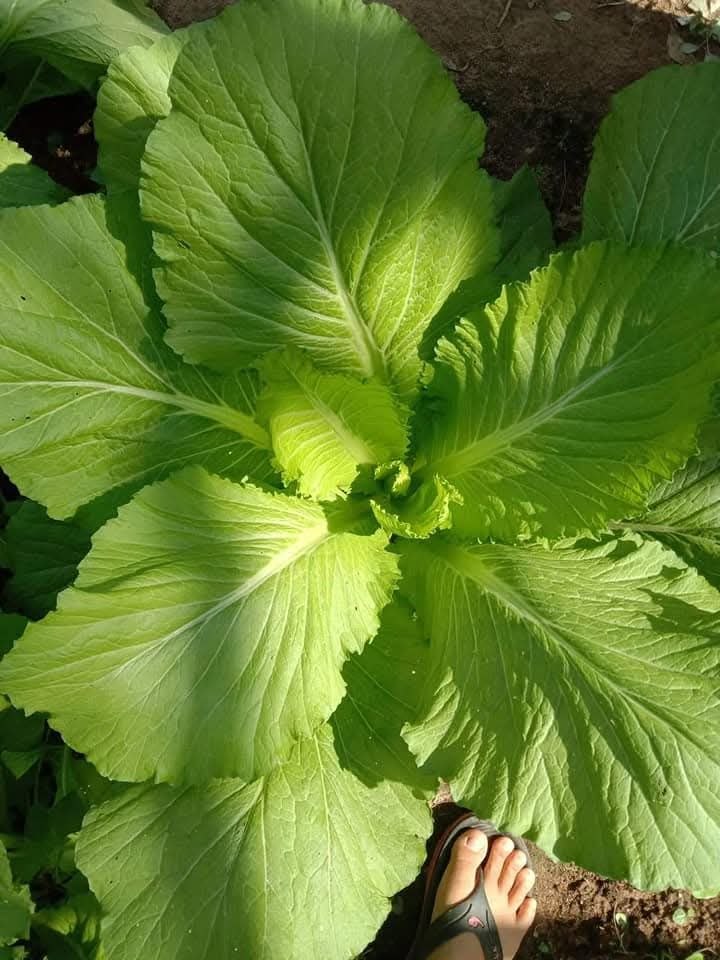
Shade-house high-value crops and market-cycle produce for periodic savings.
Annual Assets (Wealth)
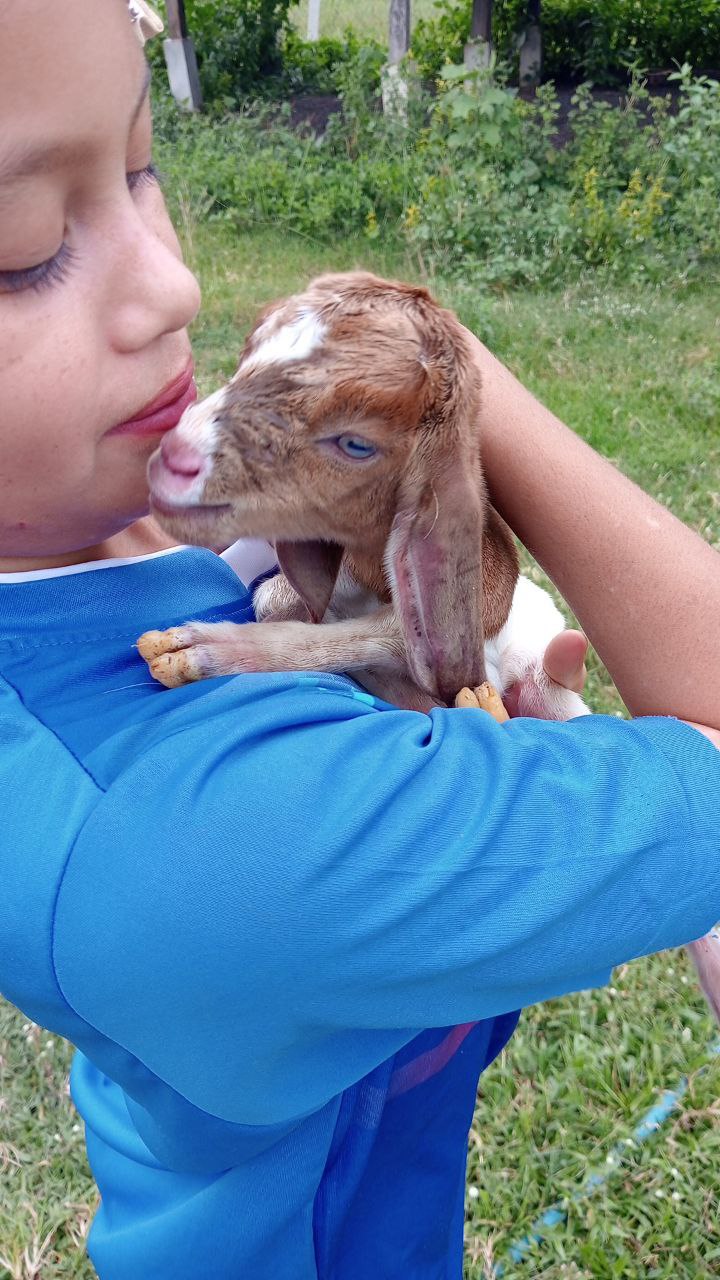
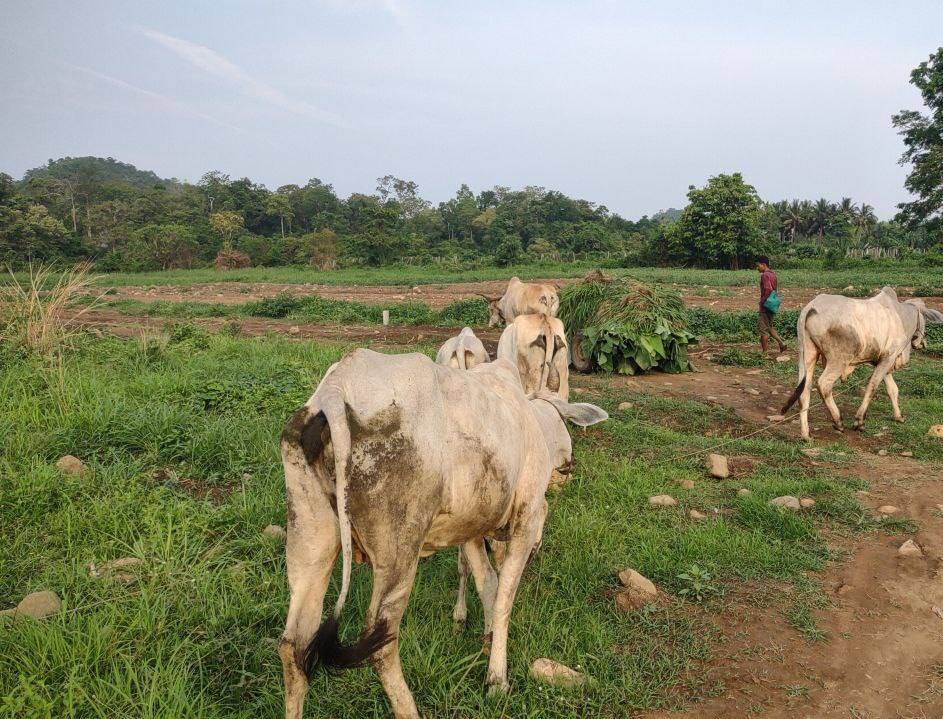
Goat & Cow Breeding: Generating $1,000–$1,500+ per year in market-sized assets.
The "Asset Allocation" Logic
1. The Intensive Production Hub
Land-Owners — Solar aquaculture & shade-houses replace extractive clearing with intensive regeneration, maximizing productivity on minimal land.
2. The Mobile Wealth Model
Landless Families — Livestock as economic agency. Goats & cows are mobile wealth that families grow and scale regardless of property status.
3. The Institutional Anchor
Community Hub — The engine of the bio-economy: breeding center, training facility, and direct employment for the most vulnerable.
Zero Waste
The Symbiotic Cycle
Solar Aquaculture
Nutrient-rich fish waste water
Shade Houses
Organic growth / Pest control
Goat Breeding
Organic Fertilizer
Soil Health
Land Degradation Neutrality
Our "Neighbors Approach" means no waste. The aquaculture tanks attract pests via UV light to protect gardens, and the goat manure regenerates soil that was previously destroyed by illegal clearing.
The Regenerative Nucleus
Our Community Hub is established on 5 hectares of previously degraded forest land donated by the local government leadership, serving as a catalytic anchor for the region. By integrating high-value organic agriculture and livestock, we test whether a site of environmental loss can support biodiversity protection and economic stability.
75
Target Households
Targeted
Chemical-Free Systems
Community
Environmental Monitoring
"The Hub serves as more than a farm; it is a strategic outpost. By establishing a human presence in a high-risk zone, the community can support environmental monitoring and collaborative referral through approved channels."
Results
Evidence in Action
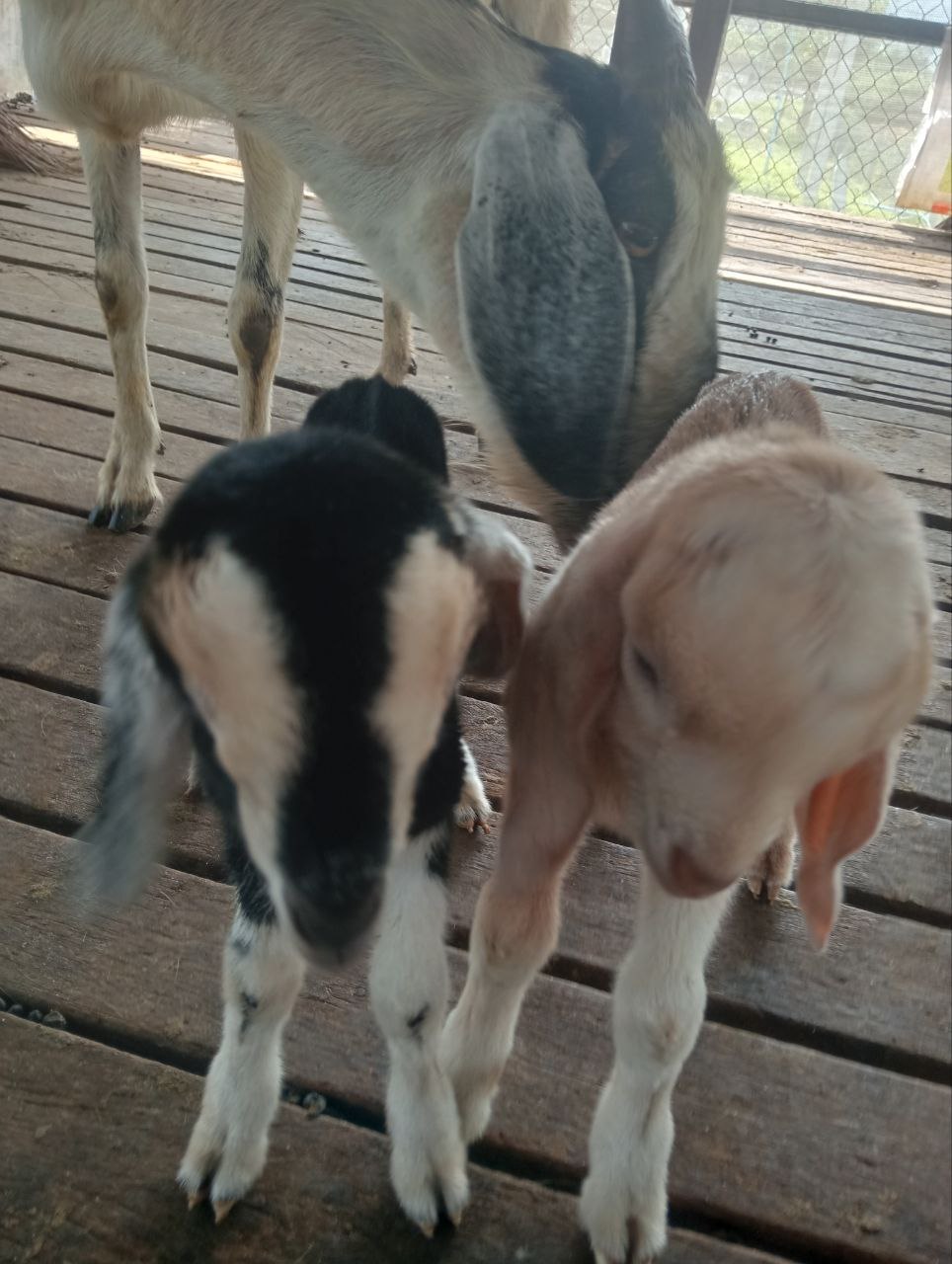
Goat Breeding & Deployment
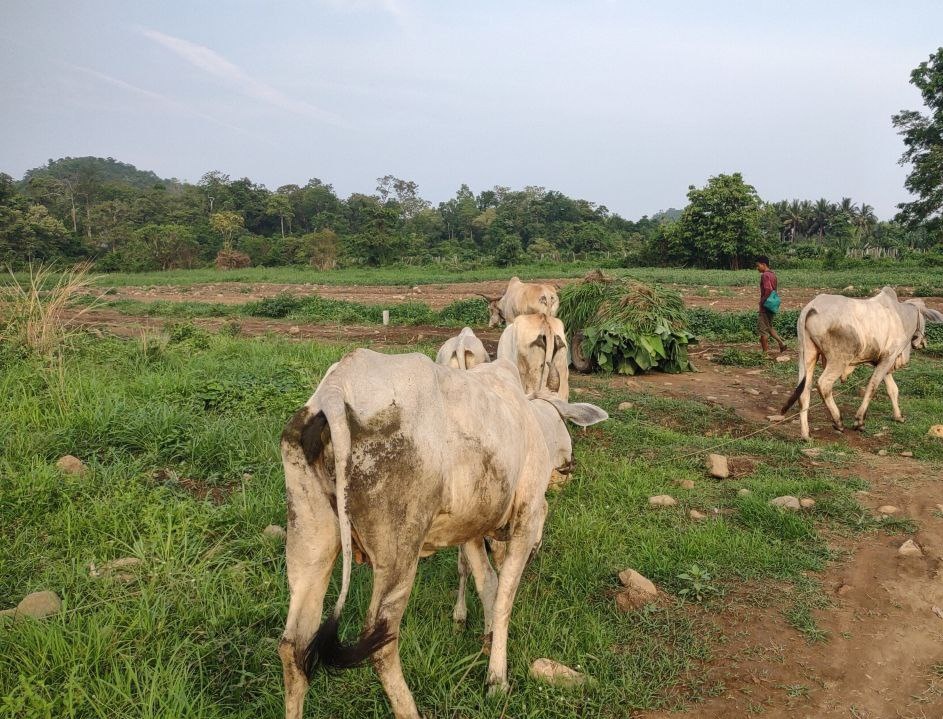
Cow Placement Program
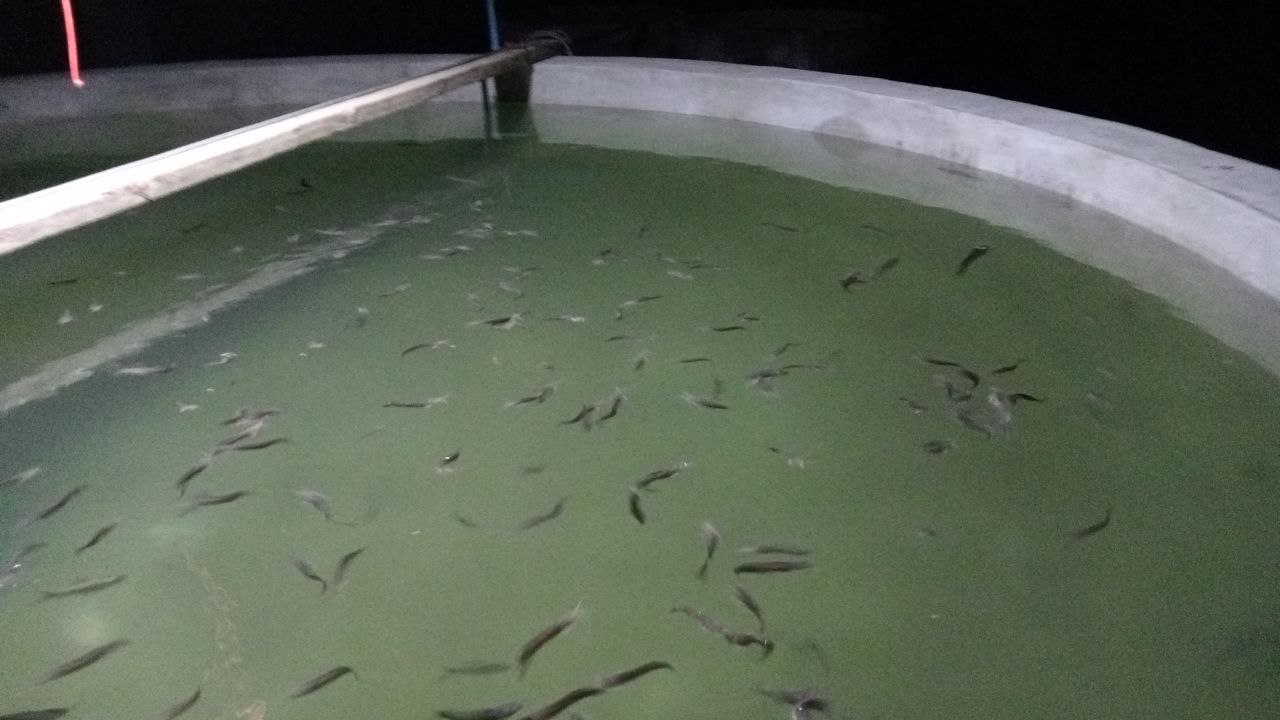
Solar Aquaculture Systems
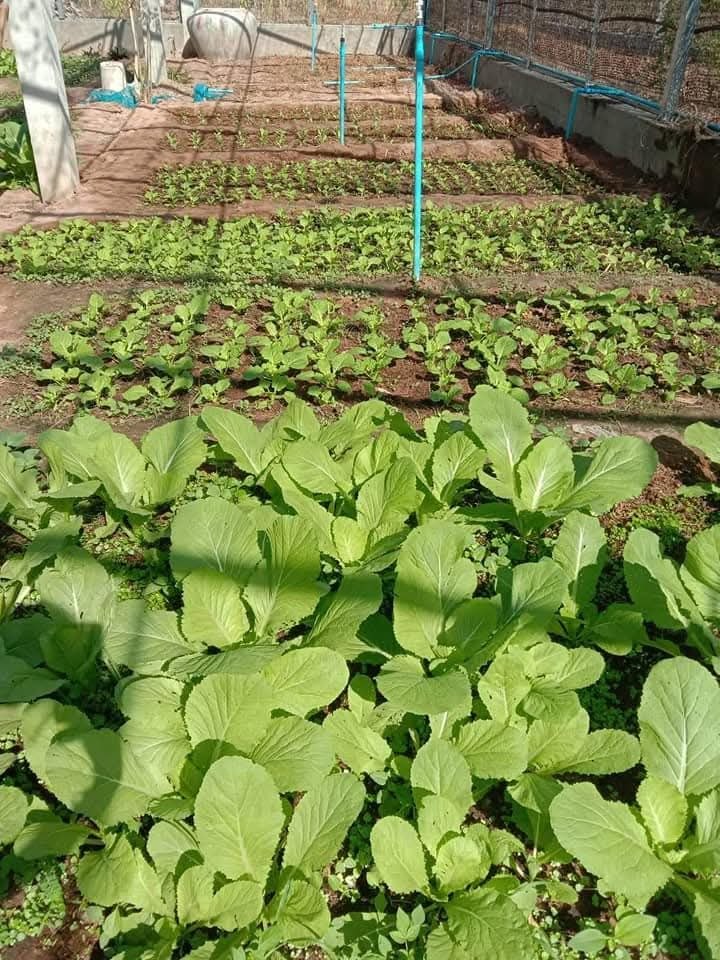
High-Value Shade-houses
Interested in Partnering?
GSO is a locally registered Cambodian NGO with 17 years of field experience. We welcome partnerships with organizations aligned with our mission.