Four Hours a Day. Barefoot. Just to Learn.
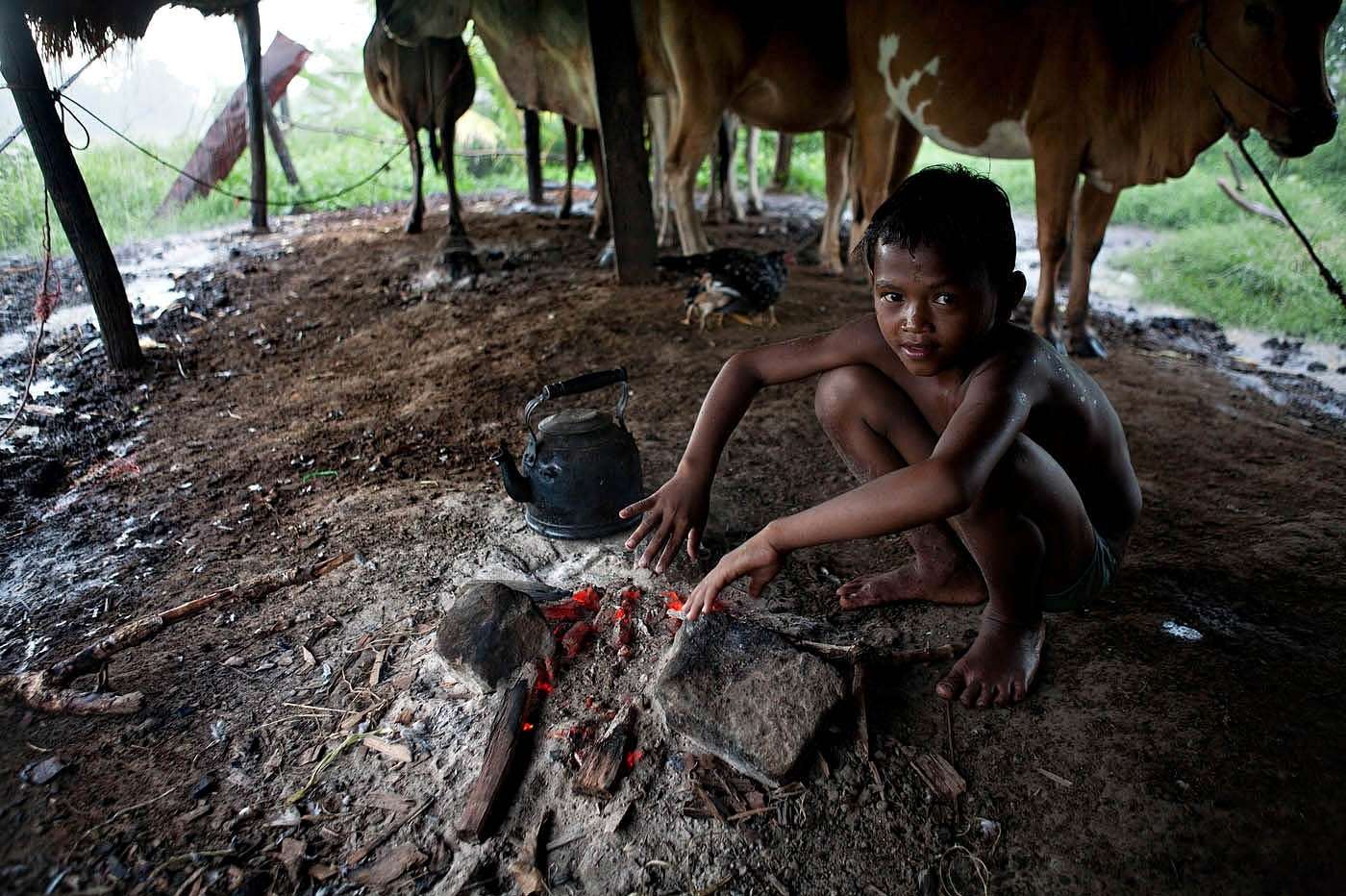
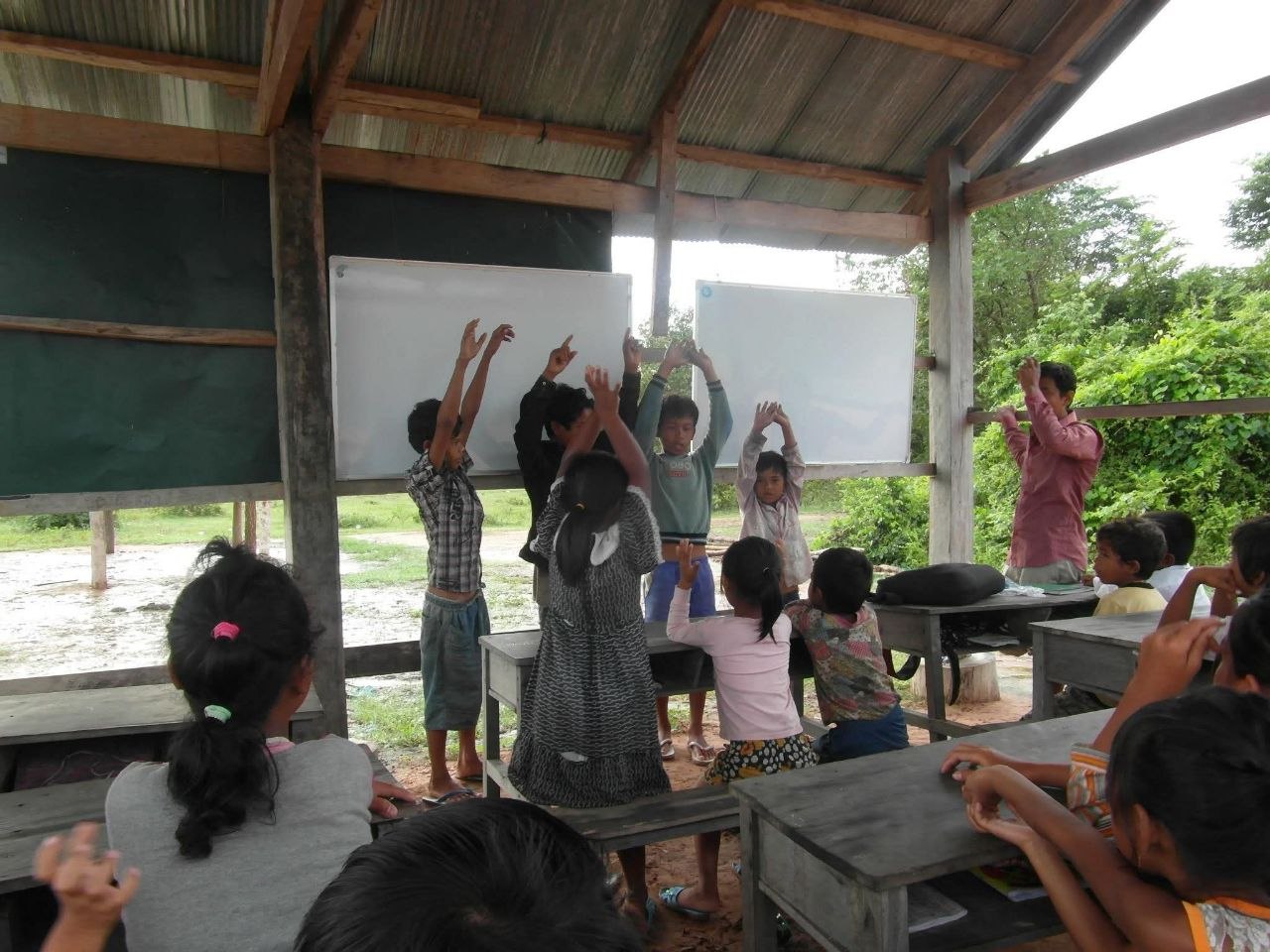
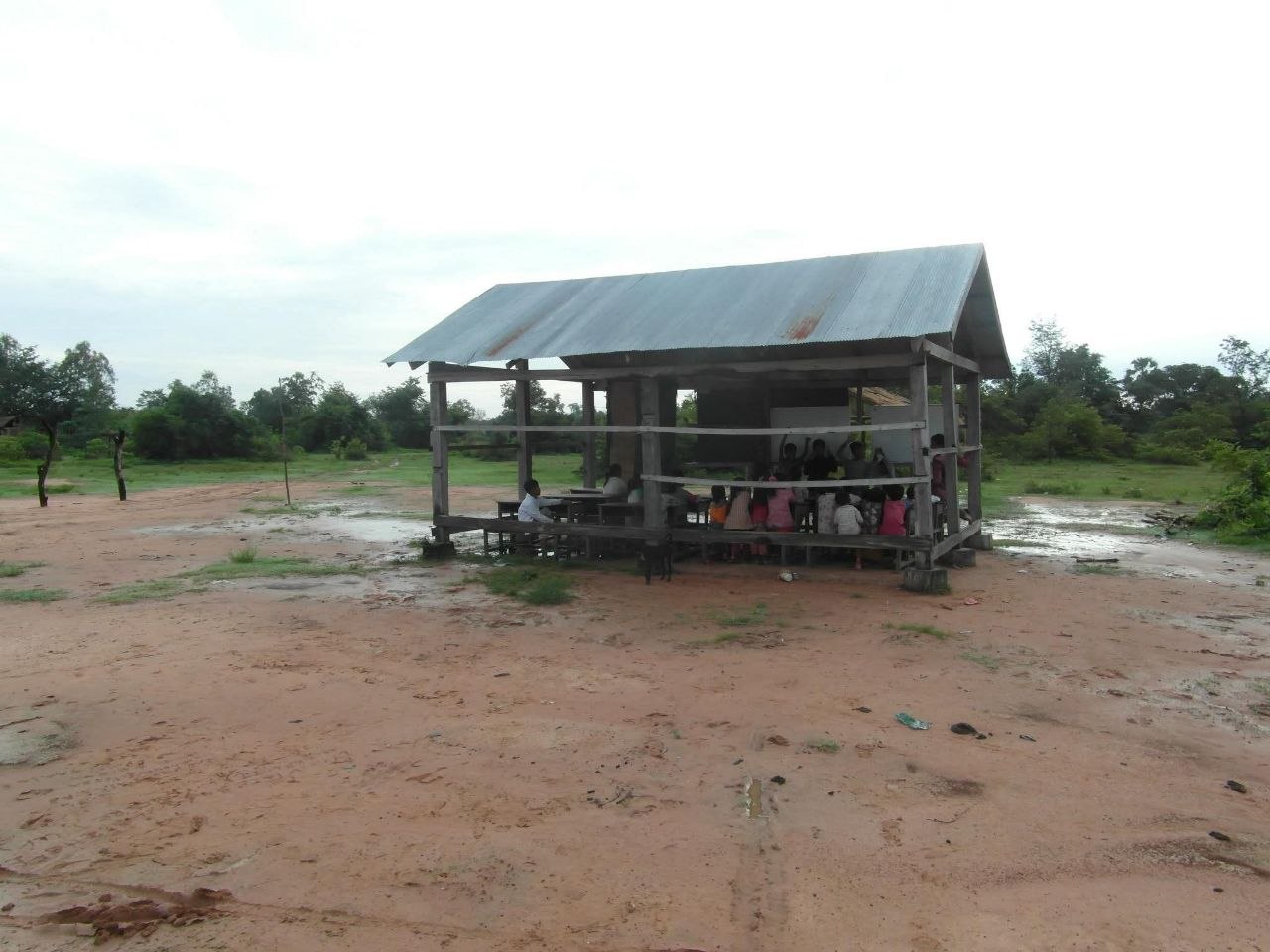
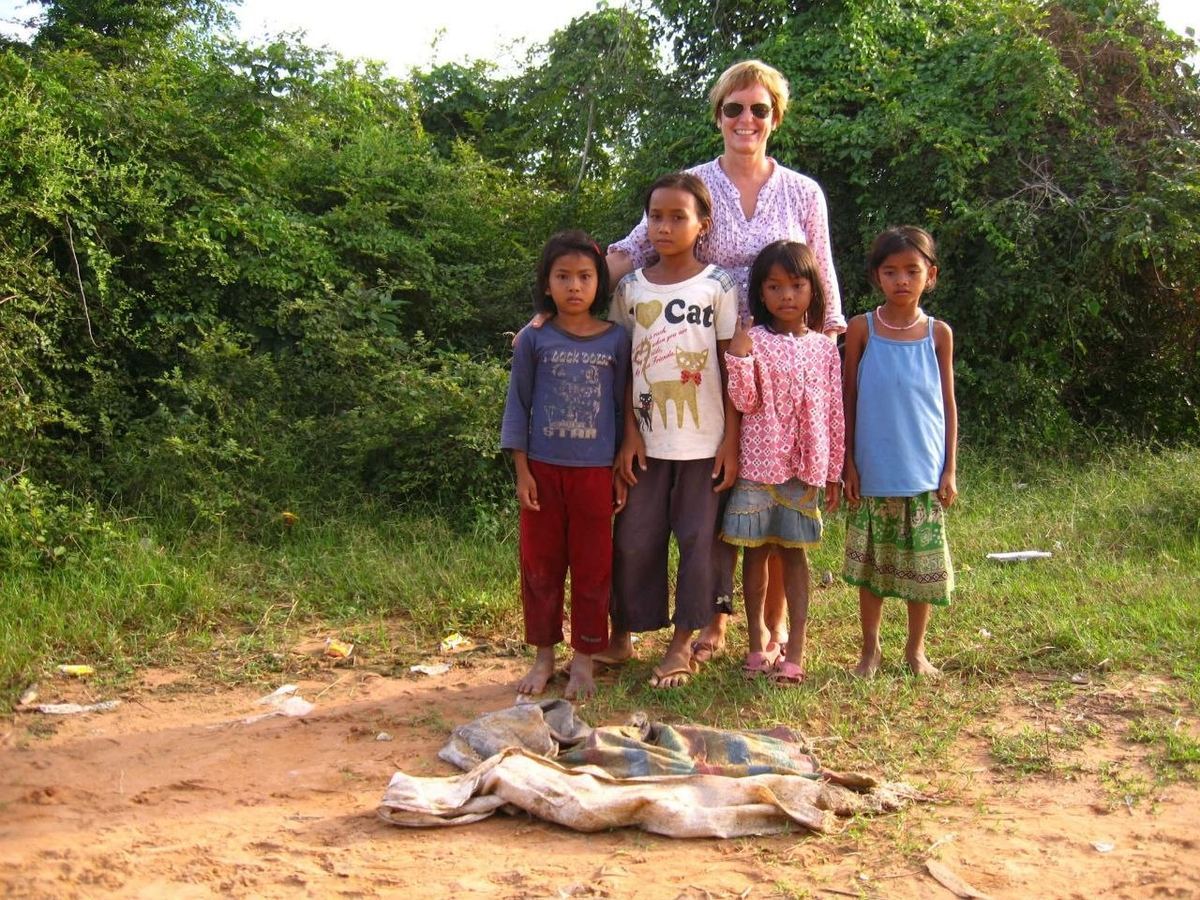
In Arai Village — a remote community at the base of Cambodia's Cardamom Mountains — children once made a four-hour round trip through jungle and cow pasture just to reach a classroom. No breakfast. Often no shoes. They came anyway.
Determination like that doesn't need pity. It needs partners.
Where We Began
Global Student Outreach was founded in 2009 by a small group of students and volunteers who shared one conviction: practical action — not just good intentions — can change lives in rural Cambodia.
What started as a non-denominational effort to fight poverty grew into something far bigger:
- Student and family sponsorship programs
- Attendance initiatives that rewarded strong school attendance with rice, clothing, and essential goods
- School materials and direct support for local instructors
- Partnerships with six local schools
- Nearly 2,000 children reached through community outreach
We built a school in Arai Village so no child would ever have to make that walk again. And in 2016, we completed a $60,000 school for the Cham ethnic minority in the Chankiek community of Kampong Chhnang province — fully self-funded through program activities and co-founder support.
We Build. Then We Hand Over the Keys.
Every school, every property GSO has ever built was transferred to the local government and community upon completion — exactly as written into every project proposal. Ownership belongs to the community. Stewardship stays local.
That principle has never changed. It never will.
Then We Asked a Harder Question
Our education projects succeeded. Schools were built, communities served, keys handed over. But when we looked closer, the deeper wounds remained: families still had no viable alternative to cutting the forest, food insecurity persisted, and the economic pressures driving deforestation hadn't moved an inch.
So we got to work — digging aquaculture ponds, rebuilding rice fields destroyed by floods, carving irrigation canals, building reservoirs. With heavy equipment, we rebuilt levees and created water storage that let farmers plant two rice crops a year instead of one.
We Didn't Guess. We Tested.
Between 2022 and 2025, we measured and refined pilot programs across rural Battambang — and the results spoke for themselves:
- Goat enterprises — Herds grew from 40 to 130 animals, with 90 sold to market — a model replicated three consecutive years. The goats even generate a second income: fertilizer we bag and sell to local gardeners and farmers.
- Solar-powered catfish aquaculture — Wastewater rich in nutrients flows straight into planting beds. One system. Two harvests.
- Cow placement program — 15 female cows placed with women-led families, putting assets and income directly into the hands of mothers.
Every pilot proved the model. Every model is ready to scale.
2026: A Sharper Mission
Food security. Sustainable livelihoods. Forest and wildlife protection. Climate resilience. Same communities. Same principle. Expanded impact.
Next: permaculture training workshops that teach families to integrate food production, water management, and soil health — plus aquaponics expansion once our solar fish stations reach stable production.
What the Field Experience Changed
GSO's early work showed that a handover is not the end of responsibility. Equipment breaks. Communities face new challenges. Grant cycles end, but the need for support continues.
The organization now tests whether local training, maintainable equipment, recurring technical support, and a realistic revenue plan can keep an activity functioning after installation. The site reports both working results and lessons from pilots that required redesign.
GSO has used a mixture of volunteer participation fees, enterprise income, private support, founder contributions, and program revenue. The 2025 annual report is management-prepared on a cash basis and has not been independently audited. GSO is publishing the underlying records and will distinguish unrestricted revenue, restricted project income, in-kind contributions, and proposed grant funding.
Why Our Projects Outlive the Ceremony
GSO's training center model is built for the day after the ribbon comes down:
- The community owns the center — not us.
- Families practice before they own — skills before assets.
- Equipment is locally sourced and locally repairable — no orphaned technology.
And here's the real difference: we don't leave. We live beside the families we serve. When something breaks — and something always breaks — we're still there to help fix it. Our projects run years after launch because we remain years after launch.
One day, we plan to go even further: rehabilitating abandoned projects that aren't even ours.
Not Aid. Investment in People.
The communities we serve have always been our communities. We've simply expanded into the places with the greatest unmet need — and the greatest opportunity to break the twin cycles of poverty and deforestation.
Aid ends. Investment compounds.
Join Us
- Give — Fund goats, cows, catfish systems, training, and the unglamorous repairs that keep projects alive.
- Partner — Sponsor a training center, underwrite a women's livestock program, or bring your organization's expertise to our team.
- Share — Tell someone that 37.5% of projects fail — and that you found an organization built to be in the other 62.5%.
The children of Arai Village walked four hours a day for a chance to learn.
The least we can do is show up — and stay.
The Beginning
How It Started — GSO in 2009
Welcome to Global Student Outreach
Cambodia's countryside is breathtaking — ancient forests, rice paddies stretching to the horizon, communities where strangers are treated like family. But behind that beauty, rural families face realities most of the world never sees. In 2009, children as young as eight were raising their own siblings. Education stopped at 6th grade for those lucky enough to attend school at all. Families relied on the forest for survival — logging, poaching, whatever kept them alive another week. The poverty was not a choice. It was a sentence.
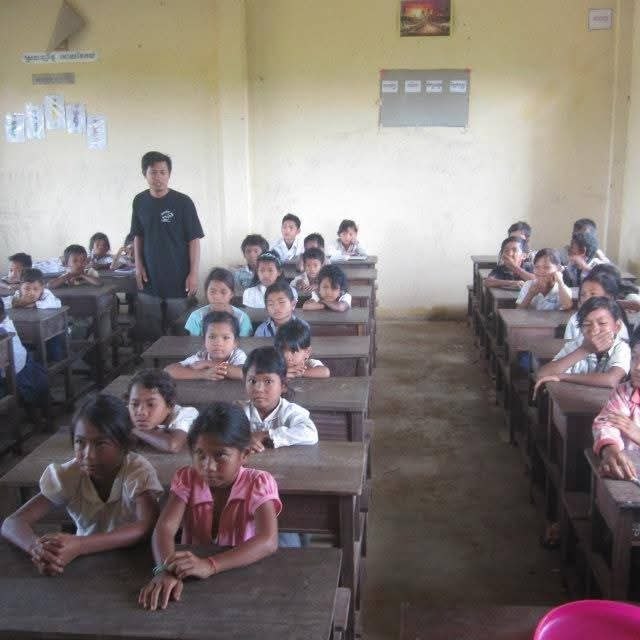
Ho Nhean assisting volunteers teaching English in 2009
Our Mission
2009 Mission
To reduce the burdens of poverty and illiteracy for those affected by poverty in developing nations, by providing access to clean water, quality education and community development workshops in an effort to provide sustainable solutions while actively encouraging participation of the people.
Our organization is a non-denominational, not-for-profit which connects community service volunteers with youth and families in need of support, working together on cooperative projects throughout the country.
Our Mission
To empower rural Cambodian families with the tools, training, and resources to build sustainable, self-sufficient livelihoods.
Our Philosophy
When families have viable economic alternatives, protecting wildlife becomes a natural consequence, not an external mandate — allowing communities to become the architects of their own conservation.
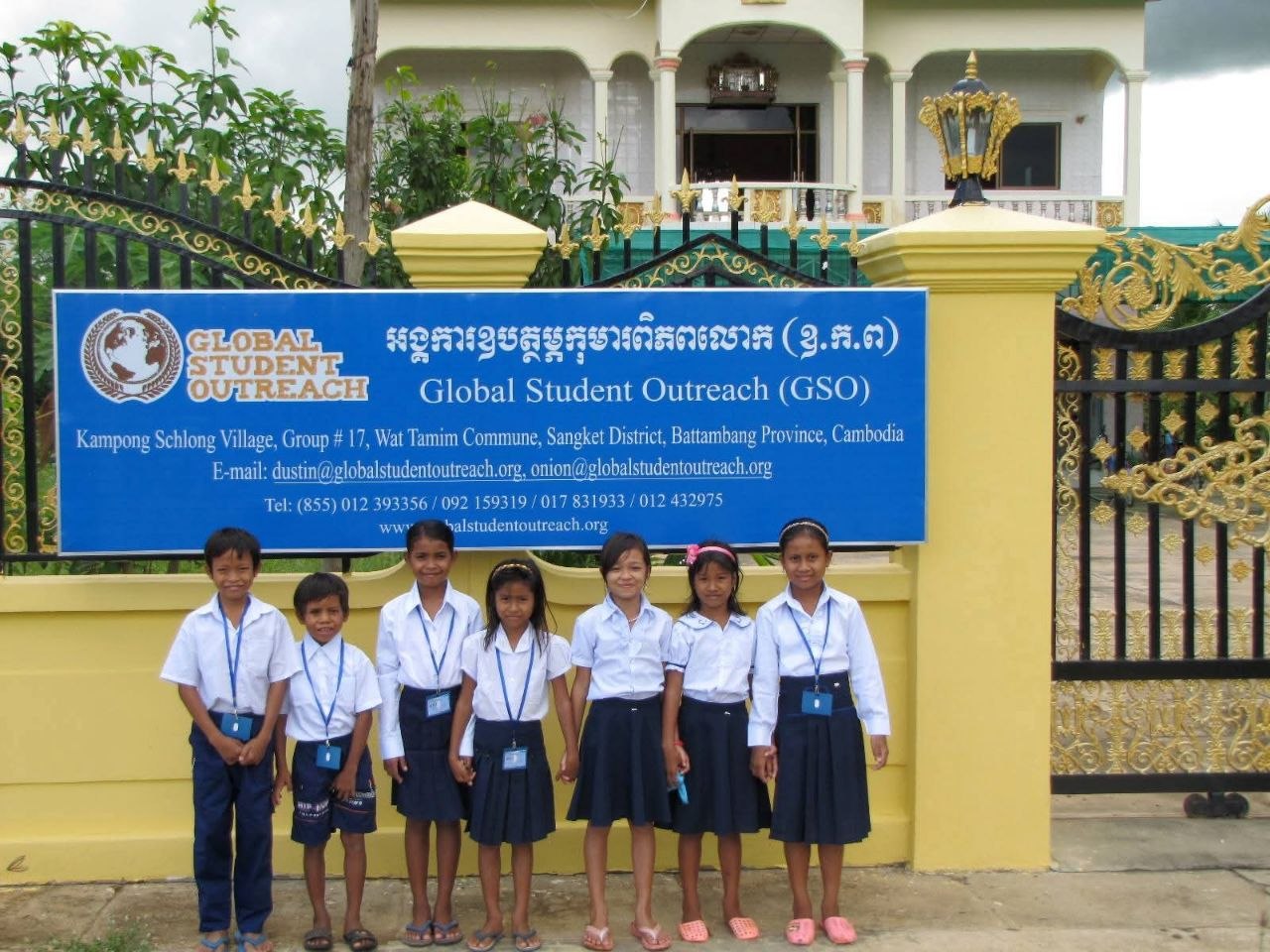
First fully sponsored GSO English class students in front of volunteer-led English class site in Battambang Province, 2009
Project Sites
Supporting local sites in our service area — providing clothing, educational materials and teachers to children, as well as renovating poorly maintained facilities for the surrounding community.
Self-Funded Initiatives
In an effort to provide a stable, predictable and reliable source of income for our projects and the communities we serve, we operate a small team of heavy equipment which works locally building roads and irrigation systems in an effort to close gaps in our program budgets.
Education at GSO
Education gives girls the greatest chance for economic self-sufficiency. GSO supports educational attainment for girls and offers supplementary English classes, a sought-after skill offering more economic choices for women.
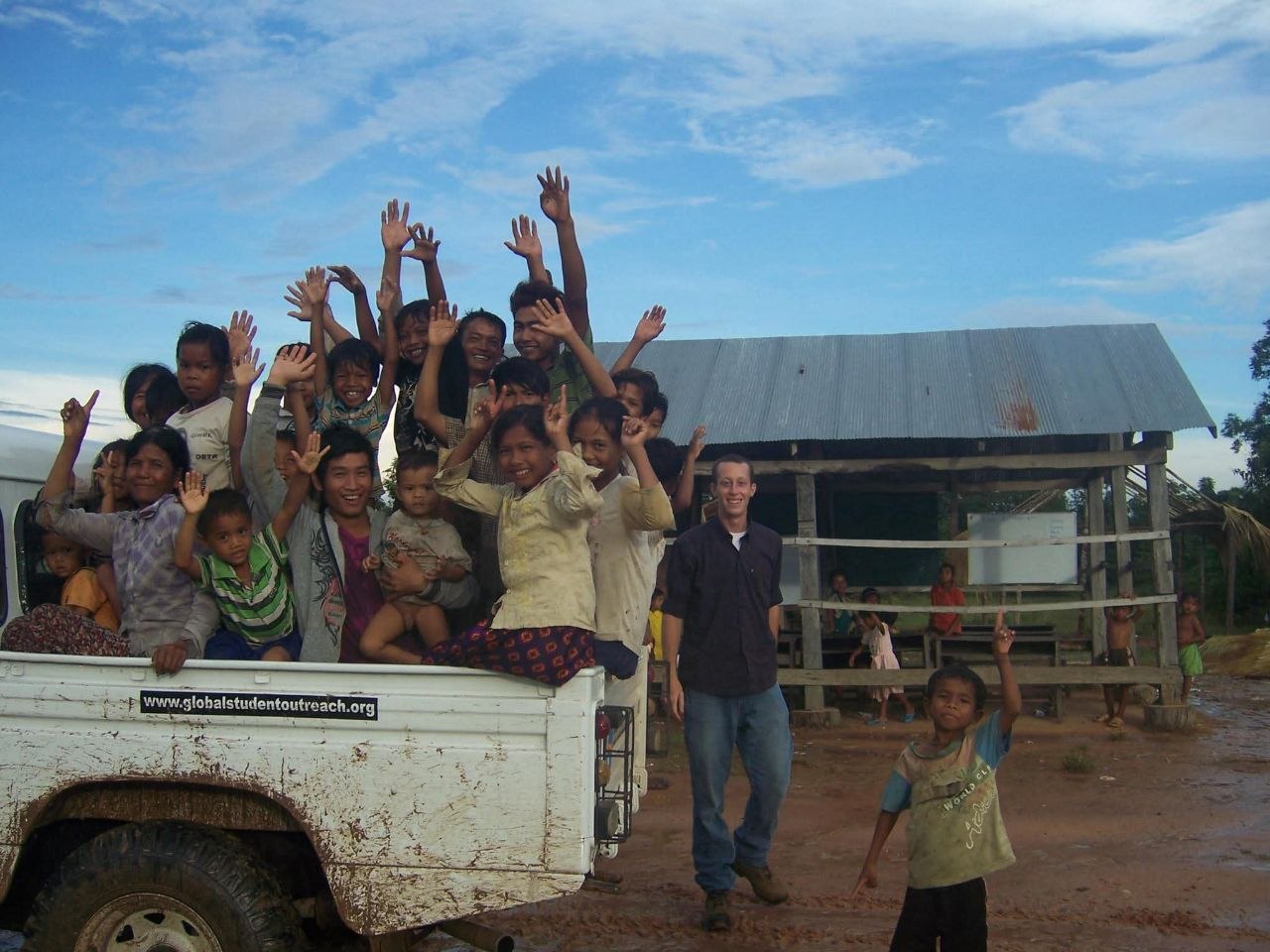
Staff and students from the school pictured behind, after meeting to discuss plans for support via the World Food Programme and volunteer fundraising to build a school, around 2013
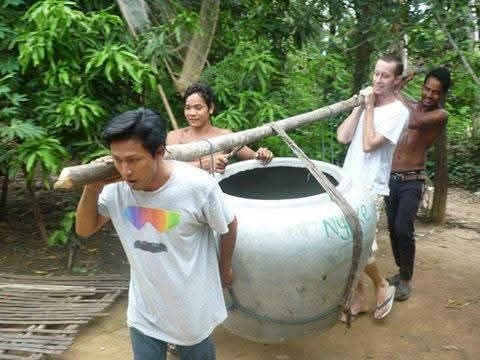
Cofounders carrying donated water storage jars to families in Battambang, 2009
The Timeline
2009
Founded
A passionate group of high school students and volunteers begins working with communities in Cambodia. Ho Nhean and Dustin Javorsky resign from their positions to build an organization that invests profits into programs, not CEOs. Non-denominational, focused on poverty, education, clean water and community development.
2010–12
Building Foundations
GSO establishes deep relationships with Cambodian communities. Launched student and family sponsorship programs, school attendance initiatives, rice and clothing distribution, and instructor support. Supported six local schools and nearly 2,000 children. Began early food security work — aquaculture ponds, rice field reconstruction, and irrigation systems using heavy equipment. Developed self-funded initiatives using heavy equipment to build roads, irrigation systems, and reservoirs — generating income for community programs.
2013
Schools Completed & Handed Over
Completed the Arai Village school — built for families at the base of the Cardamom Mountains. The project was handed over to local government and communities with full ownership transferred.
2013–14
Livestock & Agriculture Expansion
Launched the cow bank project — placing cattle with families who could breed and manage them, creating a self-propagating asset. Began bee raising programs, producing honey for local sale and pollination. Started goat raising enterprises — proving that small livestock could generate faster returns than cattle. All three programs operated out of Battambang Province.
2014–15
Infrastructure & Water Access
Constructed greenhouses to extend growing seasons and protect crops from unpredictable weather patterns. Drilled water wells for communities without reliable water access — providing clean drinking water and irrigation for household gardens. These infrastructure projects deepened GSO's understanding of what communities actually needed versus what NGOs typically provide.
2015
Chankiek English Lessons Begin
English lessons begin in mosques in Kampong Chhnang. Collaborated with Cambodian Village Scholars Fund to assist their village teachers with materials and native English-speaking volunteers, placing them in communities of Srey Prey and Chankiek with Cham minority students and teachers. Began hosting volunteers in Chankiek village full time, year round.
2015–16
Geographic Expansion
Expanded operations beyond Battambang into Pursat and Kampong Chhnang provinces. New project communities meant new relationships, new challenges, and new opportunities to test the livestock and agriculture models in different terrain and social contexts. By 2016, GSO was working across three provinces — each with distinct needs but the same underlying problem: families had no alternative to forest exploitation.
2016
Chankiek School Completed
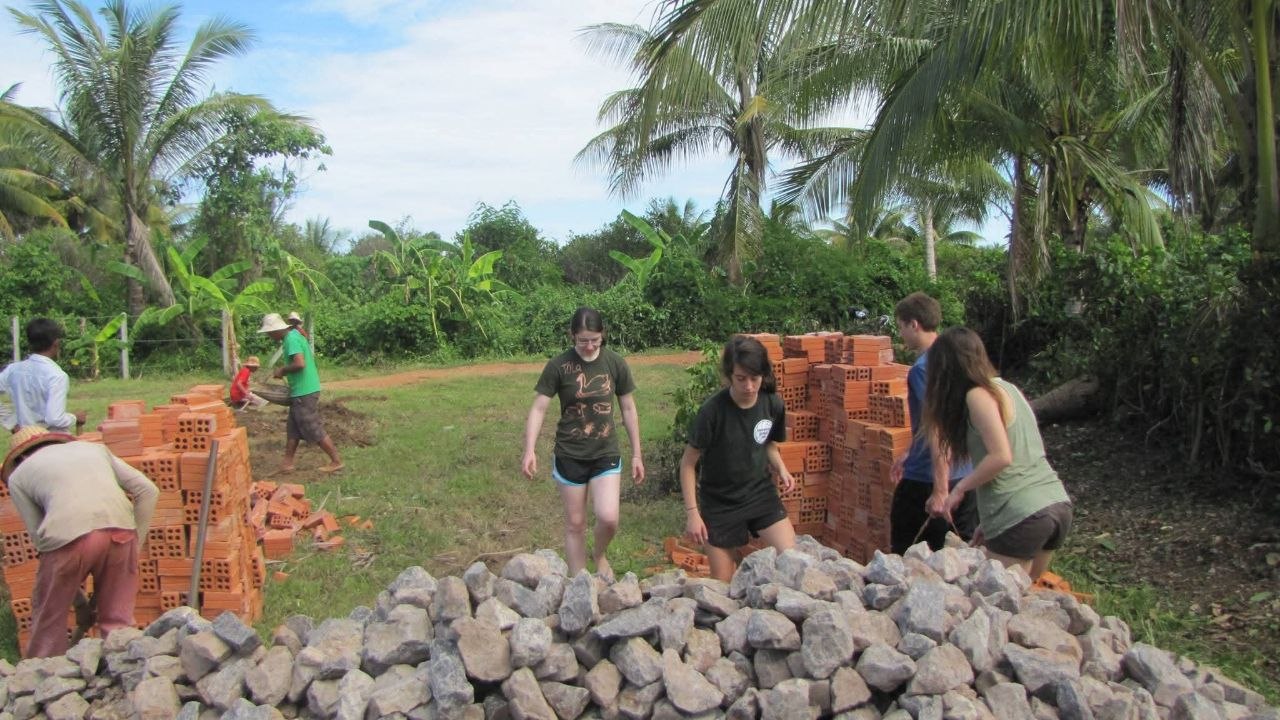
Completed the $60,000 Chankiek School project for the Cham ethnic minority in Kampong Chhnang — fully self-funded through program activities and co-founder support. Handed over to local Cham community leadership with full ownership transferred. This marked the completion of GSO's education infrastructure phase — every school built was handed over to the community.
2016–20
Scaling Livelihoods Programs
With schools handed over, GSO focused entirely on food security and sustainable livelihoods. Expanded goat enterprises across multiple communities. Grew the cow bank into a placement program for women-led households. Built solar-powered catfish aquaculture systems. Refined the self-funded model — every program generating its own revenue to sustain and scale.
2020
Solar Aquaculture Pilot
Launched fish-raising pilot using above-ground tanks fed by well water. Catfish proved resilient; tilapia less flexible. Developed a three-year fish-raising project using ultraviolet lights powered by battery banks — cutting input costs by roughly 50% — with aeration and pumping run from single solar-panel setups.
2023
Wildlife Crime Intelligence
Began sharing intelligence on wildlife crime with Wildlife Alliance — expanding GSO's role from livelihoods and food security into direct forest and wildlife protection. GSO's field teams became an extension of conservation monitoring in the Cardamom Mountains.
2024
Drone Monitoring
Began using drone monitoring to monitor deforestation across the 3,600 hectares of forest GSO and its partner communities monitor. Real-time detection enables rapid referral of environmental concerns through approved channels — turning community presence into measurable conservation outcomes.
2025
Government Partnership
Signed a Memorandum of Understanding with the Veal Veng District Leadership — formalizing GSO's role in community-based conservation and sustainable development. This institutional recognition validates 17 years of on-the-ground work and opens the door to scaling impact through government channels.
🎓
What We Learned
Real change doesn't happen when outsiders arrive with answers. It happens when communities participate in building their own future. The self-funded model proved that sustainable enterprises — not just donations — could keep programs running. That insight became the foundation for GSO's training center model: community ownership, practice before ownership, locally sourced parts, and long-term commitment.
2026
Mission Expanded
After years of successful pilots — goats, catfish, and cows — GSO expands from education to food security, sustainable livelihoods, forest protection, and climate resilience. Same commitment. Same principles. Just more hands.
🌲
Working in Synergy with REDD+
GSO lives in the communities surrounding the Samkos REDD+ Project and sees the daily struggles firsthand — families caught between conservation goals and survival needs. Rather than working in parallel, GSO is adapting its programs to work in direct synergy with conservation efforts, introducing sustainable agriculture, aquaculture, and livestock as alternatives to deforestation across 27 communities — for both people and the environment.
Self-Funded Initiatives
The bulk of GSO's funding
The majority of GSO's funding has come directly from program activities and our own initiatives — eco-tourism, animal raising, and community enterprises. The Chankiek School Project ($60,000 total) was fully self-funded through program activities and co-founder support.
100%
Chankiek School self-funded
$60K
Total Chankiek project value
GSO's model has always been to generate income from the work itself — not rely solely on donations.
Our Philosophy
"People shouldn't have to destroy the forest to survive."
We don't treat rural villagers as the threat to forests. We treat them as the forest's natural stewards — if given viable economic alternatives to logging, poaching, and unsustainable resource extraction. The forest isn't the enemy. Poverty is.
Food
Income
Forest
From the Archive
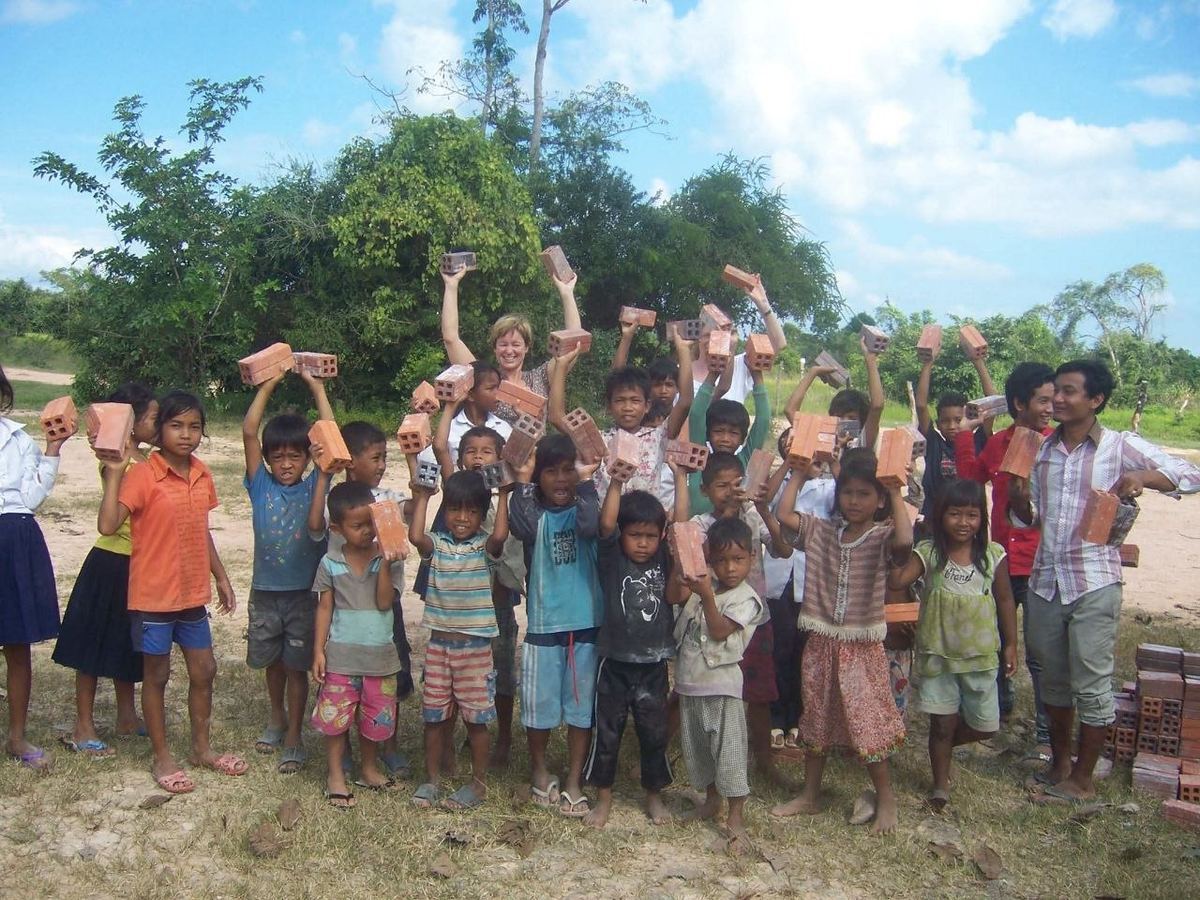
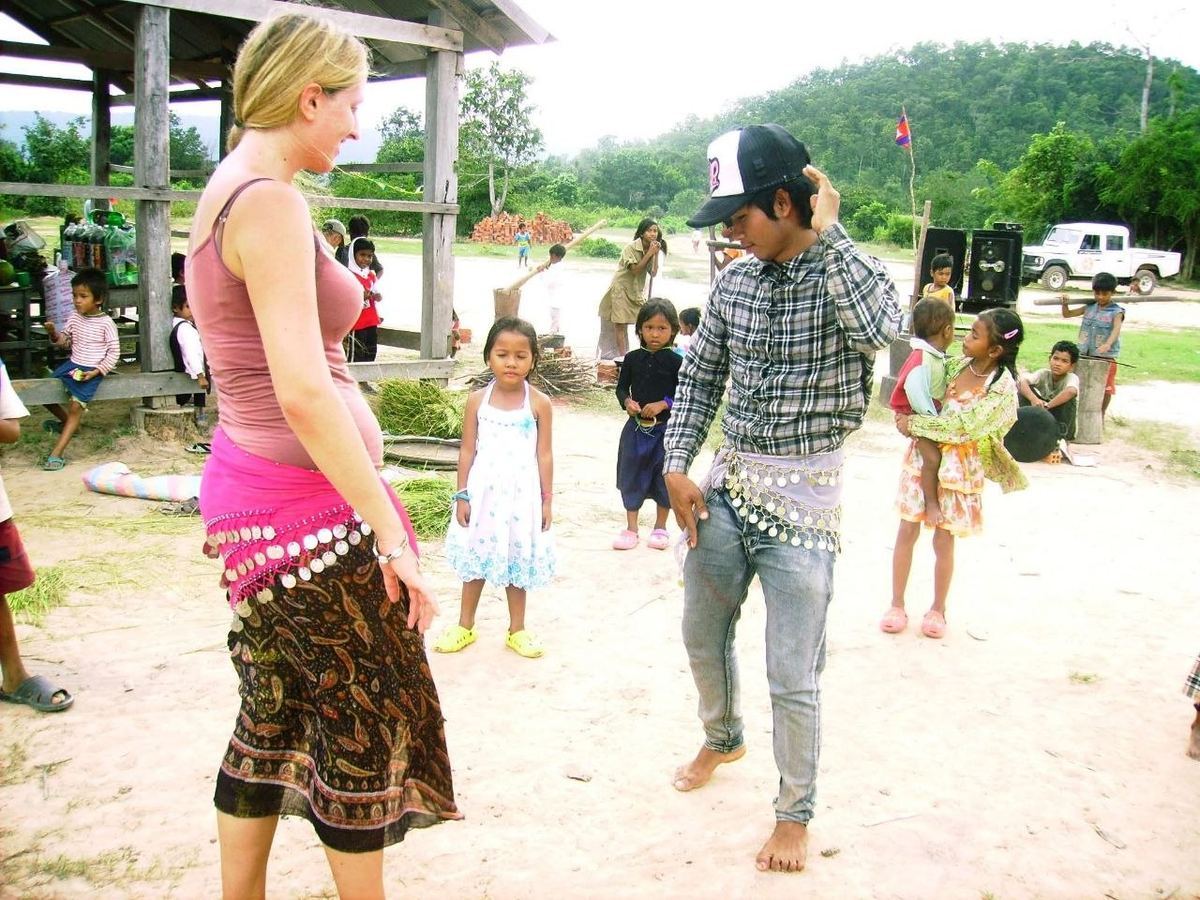
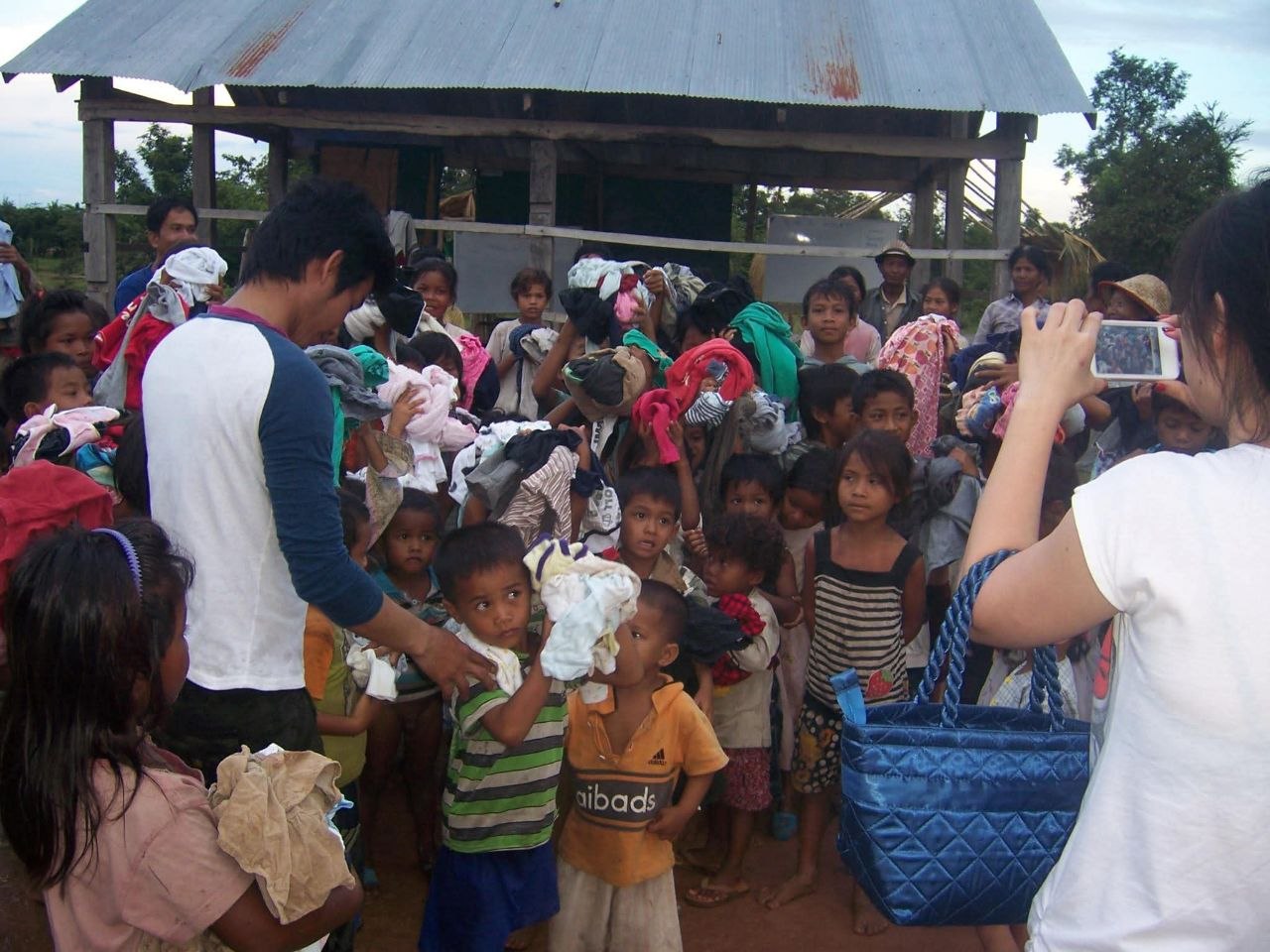
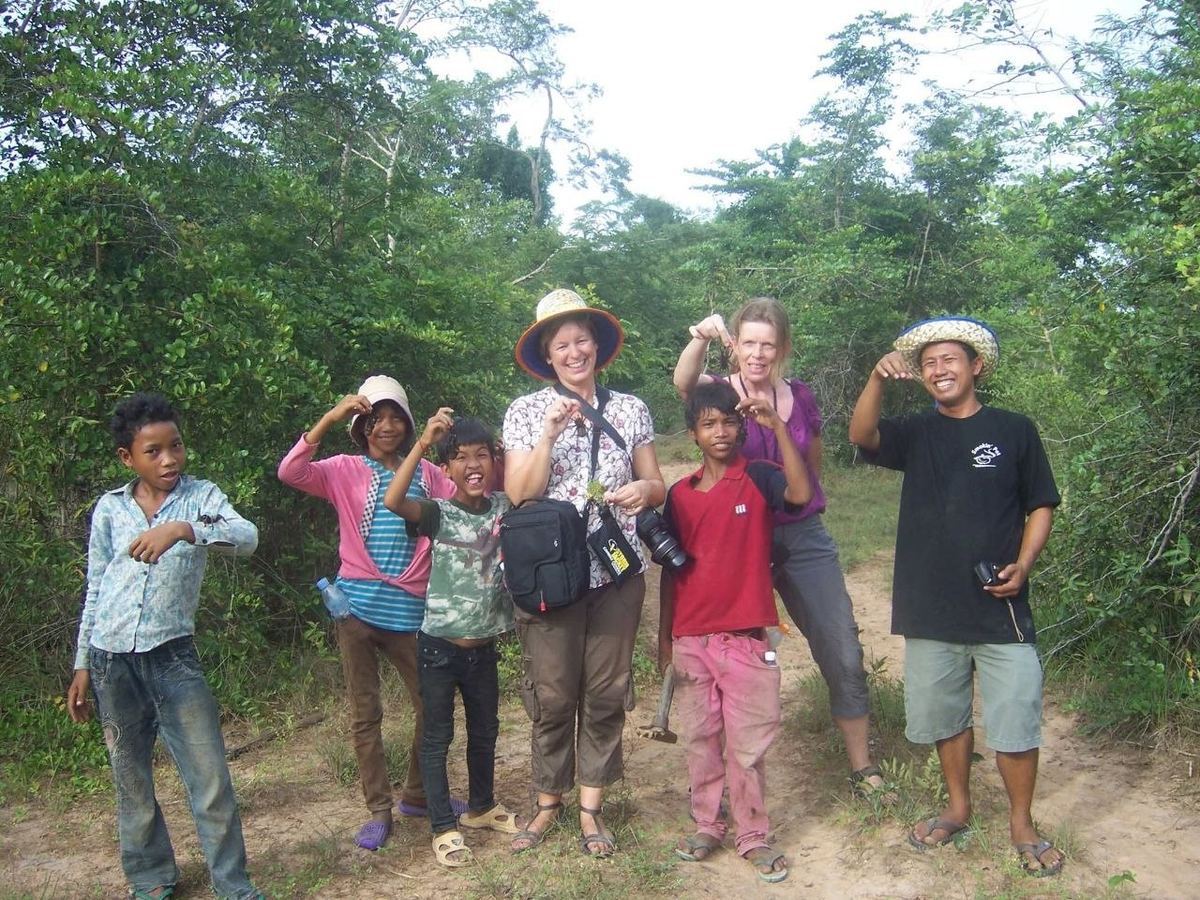
Growing Together
From Self-Funded to Shared Impact
We've proudly self-funded our work for nearly two decades, giving us the independence to test ideas, refine our approach, and deliver real results. Today, the scope of our goals requires broader collaboration. We are seeking mission-aligned funding partners to help us scale a proven model to meet a growing need.