The Cycle We're Breaking
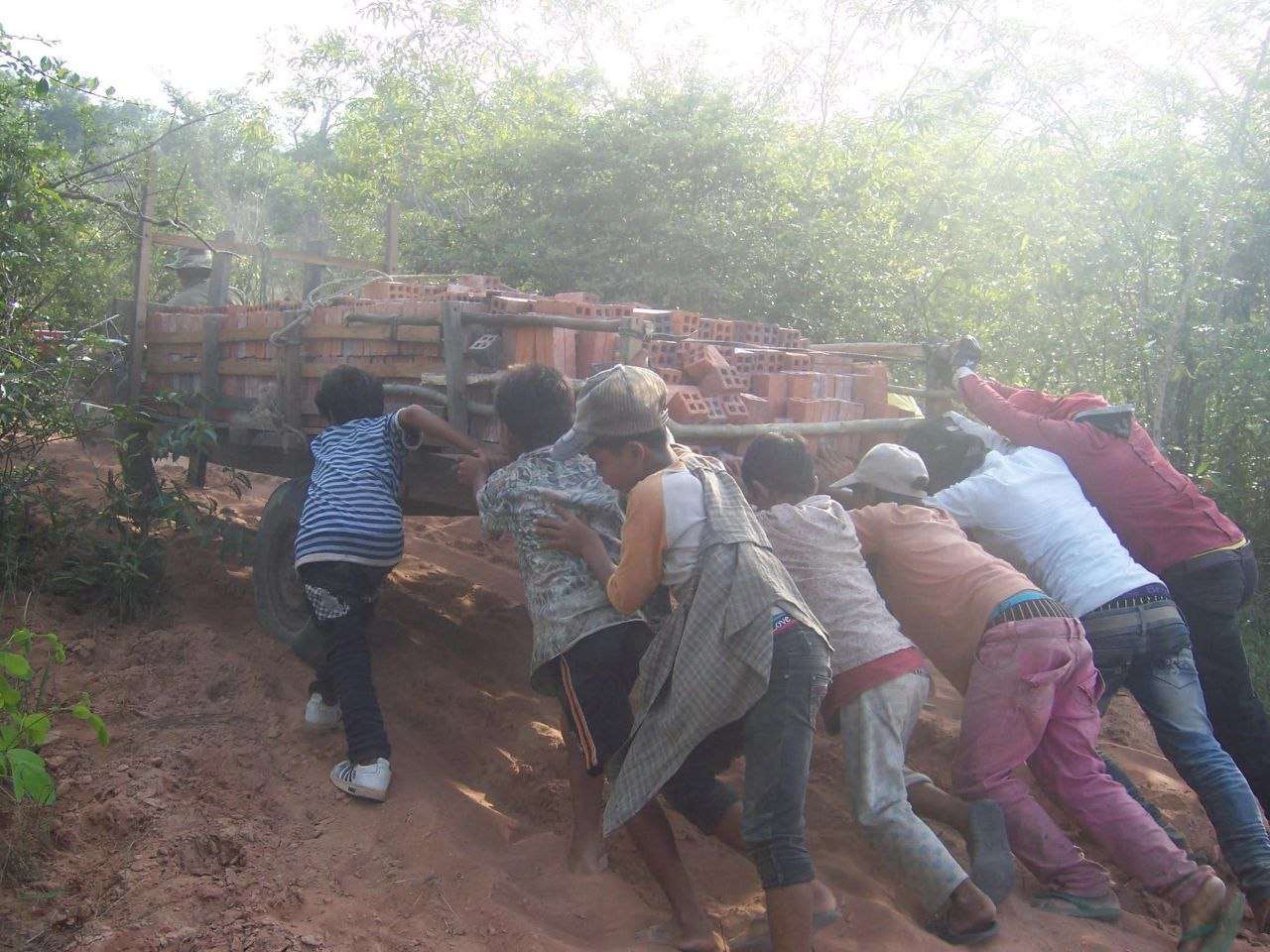
Climate pressure creates food insecurity. Food insecurity creates economic pressure. Economic pressure drives forest exploitation. Forest loss increases climate vulnerability. The cycle repeats.
The Vicious Cycle
Drought, flood, unpredictable seasons
Food insecurity, hunger, debt
Logging, poaching, resource extraction
More climate vulnerability, deeper poverty
The GSO Solution
Climate-resilient agriculture, gardens, livestock
Agroforestry, enterprises, alternative income
Community patrols, monitoring, restoration
Healthier forests. Healthier communities.
Our Four Pillars
Click any pillar to learn more about what GSO does in each area.
What Is Not Yet Known
GSO shares these results to support transparent learning. The following questions remain open:
- How do outcomes change when households are selected through formal vs. informal community processes?
- What minimum household-level training and follow-up is required for revenue models to hold?
- At what scale does landscape-level deforestation pressure drop measurably?
- What is the minimum viable package of livestock, training, and market access needed for households to shift away from forest-dependent extraction?
How It Works
From investment to community-led impact — a visible economic cycle, not a generic charity appeal.
Investment
A specific dollar amount funds a specific local enterprise
Enterprise
A sustainable local business creates income for families
Families
Participating households increase income and reduce forest dependence
Protection
The community leads forest protection and reinvests locally
Phnom Samkos Wildlife Sanctuary
Eco-Tourism as Conservation
GSO operates guided eco-tourism treks in the Phnom Samkos Wildlife Sanctuary — cultural exchange with former loggers turned forest guardians, through one of Southeast Asia's most important ecosystems.
Learn More & Book a TrekSupport This Work
Donations start projects. Sustainable enterprises keep them going.
Innovation
Solar-Powered Aquaculture
Zero power bill. Zero chemical inputs. Catfish, not tilapia. Solar panels, not grid electricity. Low-tech, locally sourced, and built to last.
Why Catfish, Not Tilapia
Tilapia are not as resilient as advertised. In real project conditions — variable water quality, inconsistent feed, tropical heat — catfish outperform on every metric. Faster growth. Disease resistance. Flexible diet. And they thrive in the tank systems GSO builds.
3–4 Month Grow-Out
Faster than tilapia in comparable conditions
Disease Resistance
Virtually no mortality issues in project conditions
Flexible Feed
Accepts goat waste and agricultural byproducts
The Solar System
Every aquaculture station runs entirely on solar power. No grid connection. No monthly power bill. The system is designed to be low-cost, low-maintenance, and built with locally sourced materials by local labor.
Solar-Powered Pumps
Water circulation without grid electricity
Venturi Aeration
Passive aeration saves electricity and moving parts
UV Insect Attraction
Lights attract insects as free feed — reducing costs and crop pests
Pilot Testing: Evidence-Based Results
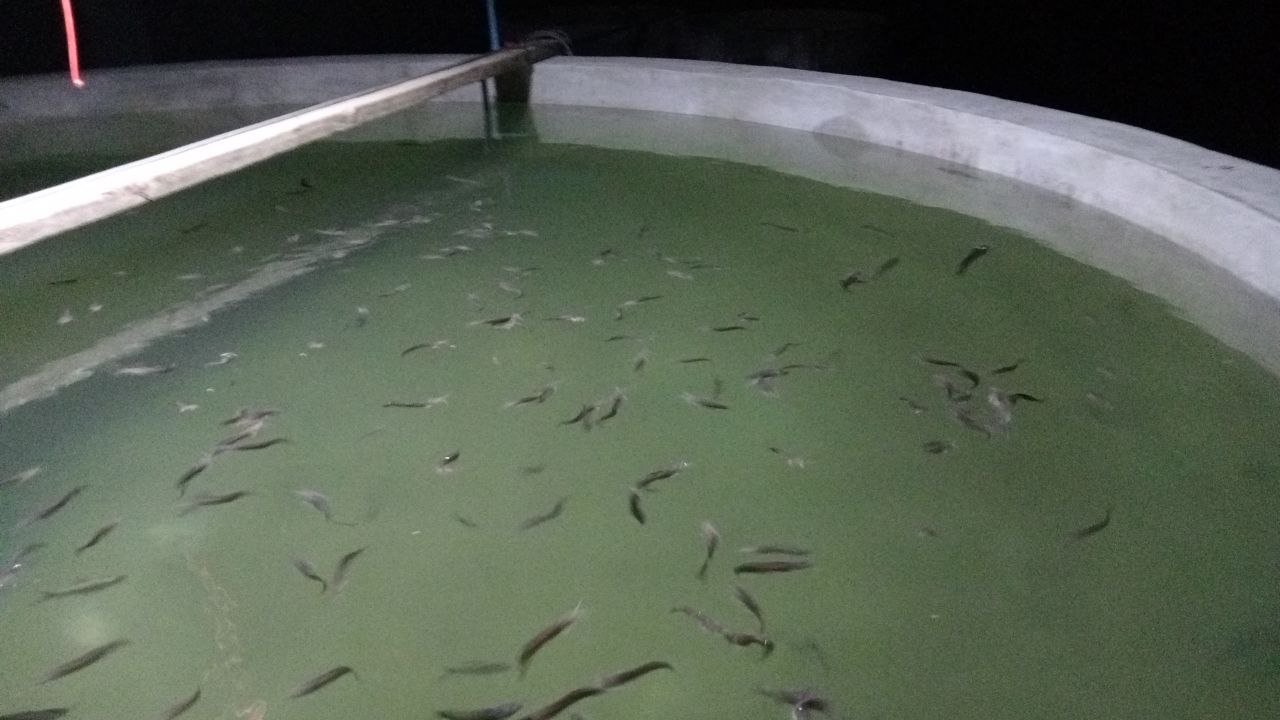
Solar-powered catfish aquaculture pilot using walking catfish (Clarias batrachus) — air-breathing species selected for low-input tank conditions. Performance measured by survival rate, harvest weight per cycle, household use vs. sale, and maintenance events.
| Metric | External Benchmark | GSO Pilot |
|---|---|---|
| Survival rate | 68–76% (MDPI, 2018) | 90% (1-year pilot) |
| Yield per m² (cycle) | 1.85–2.15 kg/m² (MDPI) | 26.8–53.7 kg/m² (exceeds 12–29x) |
| Harvest weight | 150–300g (MDPI) | 500–1,000g per fish (2–5x higher) |
| Annual production | 360.1 kg/HH/year (MDPI) | 2,700–5,400 kg/tank/year (7.5–15x higher) |
| Stocking density | 1.7–6.2 fingerlings/m² (MDPI) | 59.6 fingerlings/m² (9.6x higher) |
Source: Harvey, C., et al. (2018). Environments, 5(7), 76. DOI: 10.3390/environments5070076.
Status: 1-year pilot completed. 90% survival rate. Pending independent verification.
Fish Waste Water → Planting Test Beds
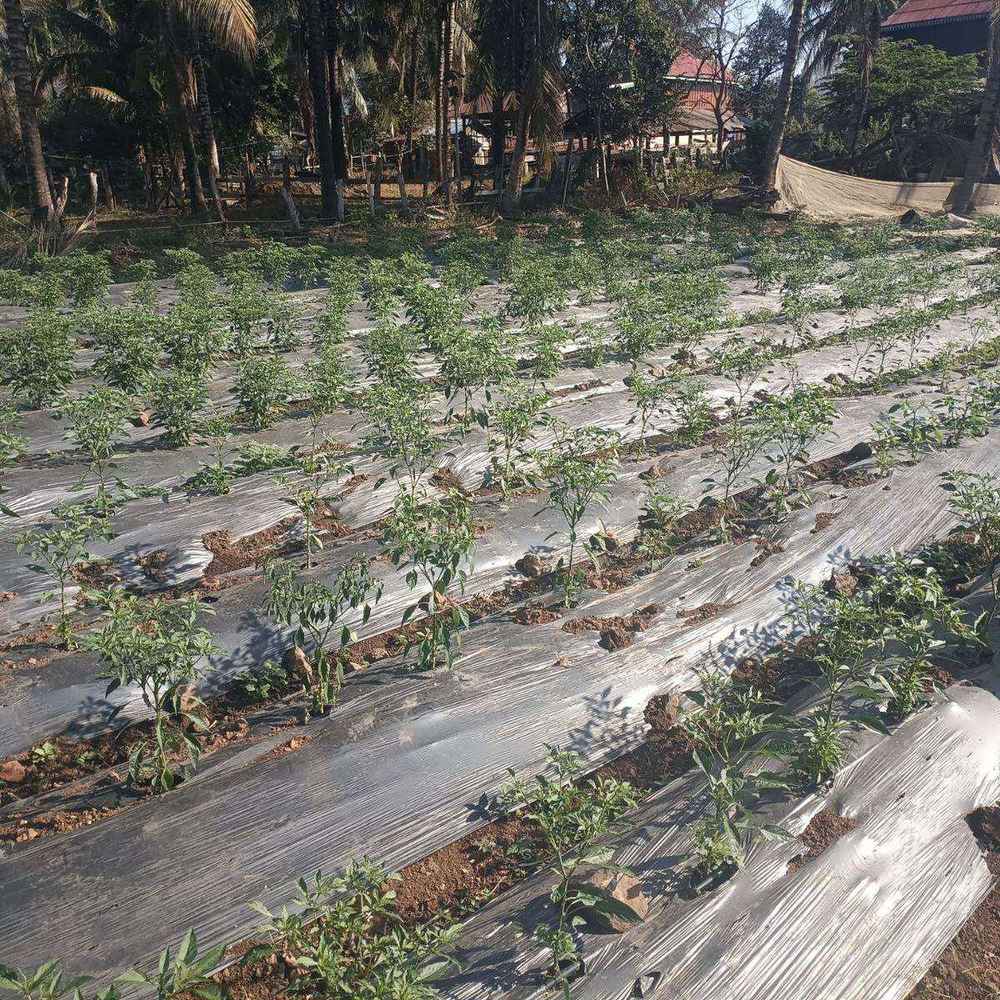
The aquaculture cycle doesn't end at the harvest. Fish waste water — rich in dissolved minerals from fish metabolism and waste breakdown — is routed directly into planting test beds.
The mineral content is extremely high — nitrogen, phosphorus, potassium, and micronutrients that plants need. Instead of being flushed away or treated as waste, it becomes irrigation for vegetable plots and tree nurseries.
One system, two outputs: fish and food. The waste from one becomes the fuel for the other. Zero chemicals. Zero waste. A closed loop designed to work the way ecosystems already do.
The Nutrient Cycle
Fish waste breaks down into dissolved nitrogen, phosphorus, potassium
Mineral-rich water is routed to planting beds — no fertilizer needed
Vegetables and nurseries grow in mineral-enriched water — faster, healthier
Cleaned water cycles back or is absorbed by the soil — zero waste
UV Lights: Free Feed, Fewer Pests
Ultraviolet lights positioned above the tanks attract insects at night — grasshoppers, crickets, moths, and other phototactic species. These insects fall into the tanks as free, high-protein feed for the catfish.
The result: families spend less on commercial feed, increasing their profit margin. And the same insects that would have damaged their crops are now feeding their fish instead of destroying their gardens.
No chemicals. No pesticides. Just light, water, and biology working together.
The Double Benefit
For the fish: Free protein-rich feed reduces family input costs by up to 40%
For the crops: Fewer grasshoppers, crickets, and moths means less crop damage without chemicals
For the family: Lower feed costs + healthier crops = higher net income
For the environment: Zero chemical inputs. Solar-powered. Locally sourced materials.
Coming Next
Multi-Disciplinary Training Center
A single community property linking all parts of the GSO model together — aquaculture, livestock, apiculture, crop production, and education — enabling families to learn how each system connects and interoperates. One place, one training cycle, one self-sustaining operation.
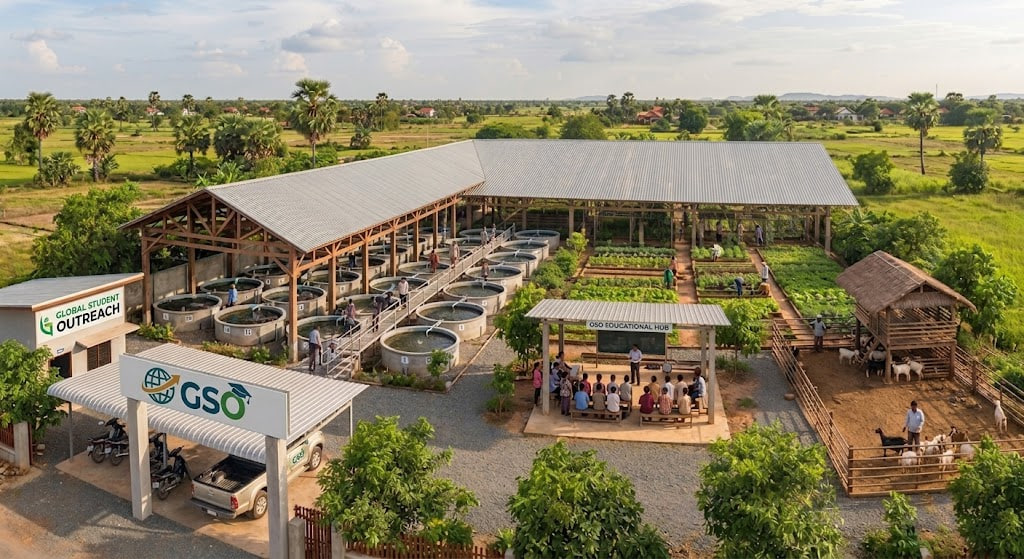
20+ Tanks
Per village center
School Properties
Underutilized land repurposed
Co-Op Model
Community works together
Zero Power Bill
100% solar-powered
The Problem We're Solving
The NGO Project Graveyard
This isn't a minor issue. It's an industry-wide crisis — and Cambodia is hit harder than most. These are industry-wide failure rates, not GSO's.
37.5%
of Cambodia projects rated "likely" to fail after donor departure
74.5%
East Asia & Pacific sustainability rate — Cambodia at 62.5%
80%
of unmonitored infrastructure reportedly fails within 3–5 years
Sector-Specific "Drop-and-Dash" Failures
💧 Rural Water Infrastructure
30–40% of rural water points in developing regions are non-functional at any given time. Up to 40% fail within 2 years of donor departure.
🚜 Agricultural Equipment
Donated machinery (tractors, solar pumps, processing equipment) often fails at high rates due to missing repair expertise and supply chains.
Why Projects Die
No Local Ownership
Beneficiaries see it as "the NGO's project," not theirs
Supply Chain Disconnect
Equipment relies on imported parts unavailable locally
No Maintenance Funding
No local revenue model to fund ongoing operations
Top-Down Blueprinting
Identical models applied without local context
A single broken $15 seal can shut down a multi-thousand-dollar water system. The family can't fix it. The NGO is gone. The project dies.
Why GSO Is Different
We Don't Leave
The reason GSO's projects are still operational — years after implementation — is simple: we are part of these communities. We remain consistent long after the initial project is completed. We live beside the families we serve. When something breaks, we're still there to help fix it.
Sustainable interventions don't hand out equipment. They build community-led operations, local capacity, and self-financing models — so the infrastructure maintains itself long after external support ends.
The GSO Model
Community Training Centers
The biggest shift in how GSO works. Instead of giving families equipment they haven't used, we plan to build training centers where they practice first — then take their own version home. This is how we raise the success rate: training and guidance before ownership.
How a Training Center Works
Build the Center
GSO builds a permanent training facility on community land — such as unused sections of public school land, where most rural schools have vast open space. The center belongs to the community — not to GSO.
Families Train
Families learn skills at the center — aquaculture, livestock, agroforestry — using the center's equipment and land.
Practice Before Ownership
They raise fish, tend goats, manage crops — gaining confidence before investing in their own setup.
Take Their Own Home
When ready, families receive their own equipment, livestock, or aquaculture setup to manage independently.
Rotate & Repeat
New families train. The center stays running. A permanent project officer coordinates ongoing activity.
Self-Sustaining
The center generates its own funding through enterprise activity. Satellite versions deploy to new families.
What Would This Look Like in Practice?
Aquaculture
Families train at the center's fish ponds — learning feeding, water quality, disease management. They generate income from the center's harvest during their tenure. When confident, they receive their own pond setup and fish stock to take home.
Goats & Livestock
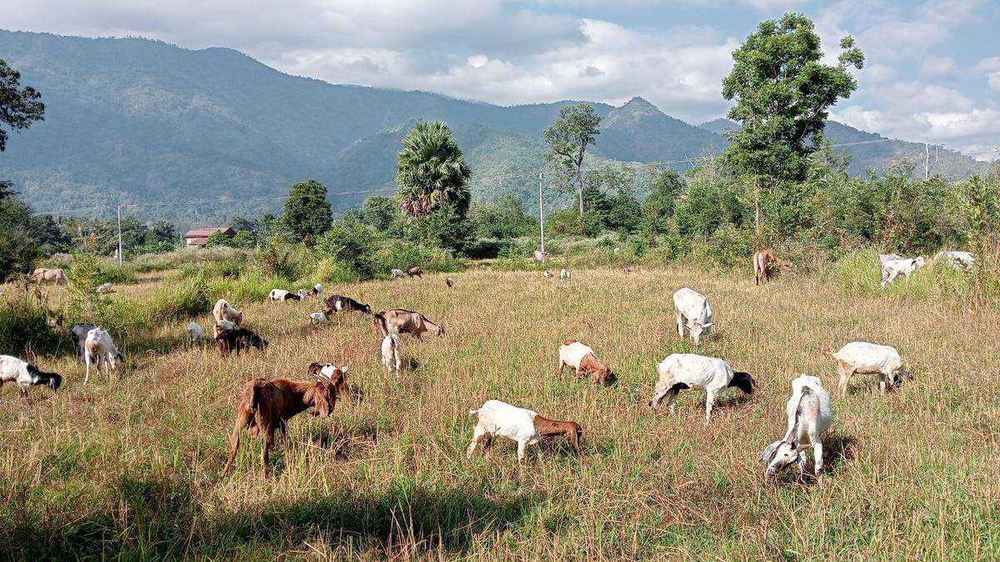
Practice raising goats on the community center land. Learn to treat common issues, manage grazing, and handle health problems — before being given goats to take home and raise independently.
Cattle
Grazing cows with supervision and oversight at the center — learning feeding patterns, health monitoring, and herd management — before being given cattle to take further afield.
Agroforestry
Train on the center's tree nurseries, fruit orchards, and intercropping systems. Learn which species grow best together, how to manage shade crops, and how to harvest sustainably.
For Families Without Land
No land? No problem. Families can apply to work at the community center's aquaculture site, livestock operation, or nursery — indefinitely. The center becomes their enterprise, generating income without requiring private land ownership.
Self-Sustaining Funding
The center isn't a permanent expense. It generates revenue through enterprise activity — fish sales, livestock, crop production — funding its own operations and deploying satellite versions to new families.
Permaculture Training
Scheduled permaculture workshops teach families how to design integrated systems — combining food production, water management, and soil health into a single, self-reinforcing landscape. The goal is to move families from individual enterprises to whole-system thinking.
Aquaponics Expansion
Once the solar aquaculture stations reach stable production levels, the next phase is aquaponics — coupling fish tanks with vegetable grow beds in a closed-loop system. Fish waste feeds the plants, plants clean the water. One system, two harvests.
The Key Difference
We don't build projects that die when we leave. We build systems that the community owns and maintains.
Traditional aid gives a family equipment, takes photos, and moves on. When it breaks, the family can't fix it. The project dies. GSO's model means communities practice, own, and maintain — with locally sourced parts and local labor. And one of our long-term goals is to go back and rehabilitate projects that aren't even ours.